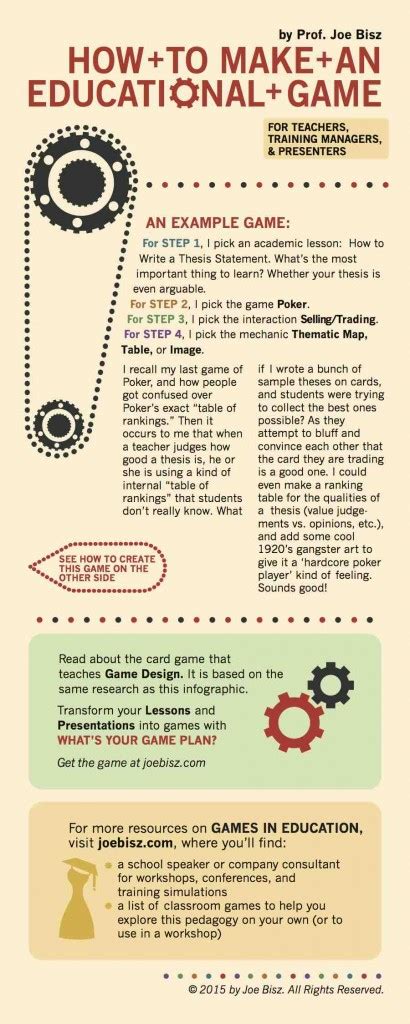
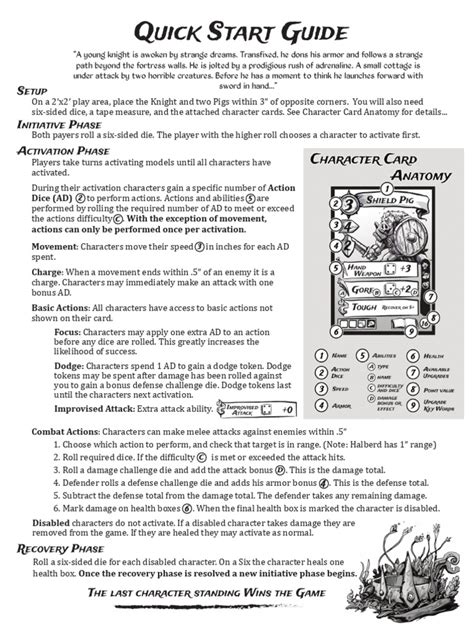
How to craft game how-tos that teach core concepts without info-dumping for novices?
The Challenge of Teaching New Players
Creating a compelling video game is only half the battle; the other half is teaching players how to play it. For novices, the learning curve can be steep, and an poorly constructed ‘how-to’ guide can quickly turn enthusiasm into frustration. The art lies in teaching core concepts effectively without falling into the trap of info-dumping, which often overwhelms and disengages new players before they even begin to grasp the fun.
Why Info-Dumping Fails New Learners
Imagine being handed a dense textbook when all you wanted was a quick start guide. That’s what an info-dump feels like. Novices lack the mental framework to categorize and prioritize a deluge of information. They don’t know what’s crucial for immediate play versus what’s an advanced mechanic. This leads to cognitive overload, confusion, and ultimately, a higher chance of players abandoning the game. Our goal should be to provide just enough information to get them moving, then gradually introduce complexity.
Break Down Concepts into Bite-Sized Chunks
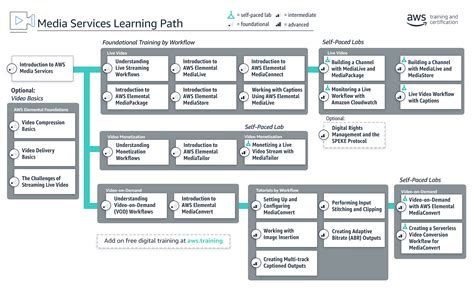
The cornerstone of effective novice instruction is modularity. Instead of explaining everything at once, identify the absolute minimum knowledge required for the player to perform their first meaningful action. Teach one concept, let them apply it, and then introduce the next related concept. For example, instead of explaining all combat mechanics, start with movement and basic attack, then introduce blocking, and later special abilities. This iterative learning process builds confidence and comprehension.
Prioritize the ‘Why’ and the ‘How’ for Immediate Impact
New players need context. Explain why a mechanic is important before diving into the granular how. What benefit does this action provide? How does it contribute to their immediate success or enjoyment? For instance, explain that ‘dashing helps you avoid enemy attacks and traverse gaps quickly’ before detailing the button input. This creates a goal-oriented learning experience, making the ‘how’ more meaningful and memorable.
Use Analogies and Relatable Scenarios
Games, especially those with unique mechanics, can feel alien to newcomers. Bridge this gap with simple analogies to real-world actions or common game tropes. Is your inventory system like a backpack? Is a certain enemy type similar to a ‘tank’ in other RPGs? These mental shortcuts help players quickly connect new information to existing knowledge, reducing the mental effort required for understanding. Use scenarios that directly relate to what the player will encounter early in the game, making the advice immediately applicable.
Show, Don’t Just Tell: Visuals and Immediate Practice
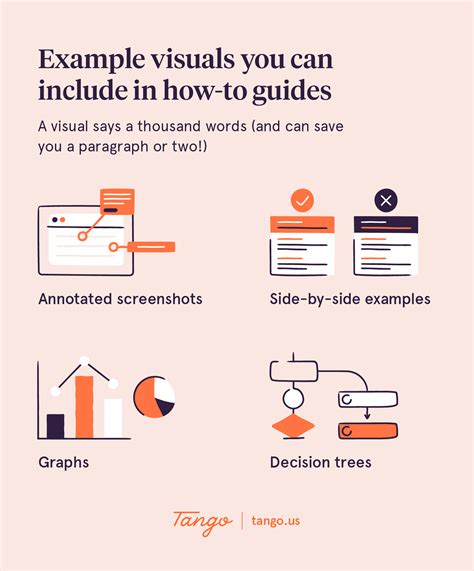
A picture is worth a thousand words, especially in game tutorials. Use clear visual aids – simple diagrams, annotated screenshots, or short GIFs (even if represented by an empty image anchor here) – to illustrate concepts. Show the button prompts, the affected area of an ability, or the path to an objective. Crucially, follow every explanation with an opportunity for immediate practice. Let the player perform the action in a safe, controlled environment. This active learning solidifies understanding far more effectively than passive reading.
Progressive Revelation and Layered Learning
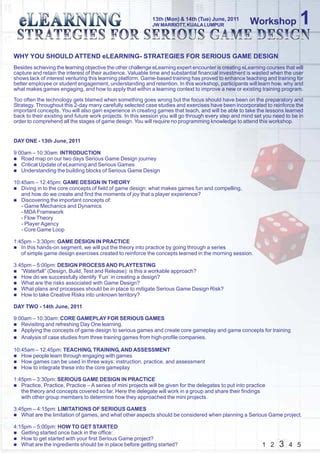
Not all information is equally important at all stages. Adopt a layered approach where basic functionality is presented first, and more advanced nuances are unveiled as the player progresses. This can be achieved through in-game prompts that appear only after certain conditions are met, or through optional, deeper dive sections within your how-to guide. Think of it as peeling back an onion; each layer reveals more depth without overwhelming the initial experience.
Crafting the Perfect How-To Structure
A well-structured how-to guide for novices should typically follow this flow:
- Introduction to the Goal: What will the player learn to do?
- Core Concept 1 + Practice: Explain one fundamental idea, then allow immediate application.
- Core Concept 2 + Practice: Build upon the first, adding another layer.
- Contextual Application: Show how these concepts work together in a simple scenario.
- Next Steps/Where to Learn More: Point them towards the next logical progression or optional advanced topics.
Maintain simple, direct language. Avoid jargon where possible, or explain it immediately if necessary. Your tone should be encouraging and supportive, not condescending or overly technical.

Conclusion: Guiding, Not Overloading
Crafting game how-tos for novices is about empathetic instructional design. It’s about putting yourself in the shoes of someone completely new to your game world and guiding them step-by-step, building their confidence and skill gradually. By breaking down concepts, prioritizing information, using visual aids, and encouraging immediate practice, you can create how-to guides that empower new players to dive deep into your game, rather than being drowned by an info-dump.