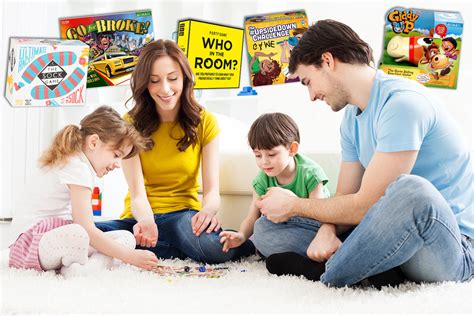
How to choose truly cozy, non-competitive games for diverse family gamers?
The Quest for the Perfect Family Game Night
Finding a game that genuinely brings an entire family together, especially one with diverse ages, interests, and gaming experiences, can feel like a heroic quest. Competitive games, while fun for some, often leave others feeling excluded, frustrated, or simply bored. The true magic happens when a game fosters shared joy, collaboration, and comfortable laughter – a truly cozy, non-competitive experience.
This article will guide you through the process of identifying and selecting games that are perfect for diverse family gamers, ensuring everyone feels welcome and engaged.
Understanding Your Family’s Diverse Needs
Before diving into game recommendations, take a moment to consider the unique makeup of your family. Are there wide age gaps? Different levels of gaming experience (from seasoned strategists to complete novices)? Varying attention spans? Any specific sensitivities or preferences? A game that works for a family of adults might not suit one with young children or teenagers who prefer digital interfaces.

Prioritize inclusivity. The goal isn’t to find a game that one person loves, but one where everyone feels a sense of belonging and contributes positively to the experience. This means looking beyond traditional competitive structures.
Key Qualities of Cozy, Non-Competitive Games
When selecting games, keep these characteristics in mind:
- Cooperative Play: The ultimate non-competitive format! Everyone works together towards a common goal against the game itself. This eliminates direct rivalry and encourages teamwork.
- Low Stakes: Losing shouldn’t feel punitive. Games with flexible outcomes, or where ‘losing’ is a shared experience, reduce pressure and anxiety.
- Accessibility: Simple rules that are easy to learn, but offer depth for ongoing enjoyment, are crucial. Avoid overly complex mechanics or highly strategic games unless your family explicitly enjoys them.
- Engaging Theme: A compelling story or theme can draw players in, even if they’re not hardcore gamers. Think whimsical, adventurous, or narrative-driven scenarios.
- Flexible Player Count: Games that scale well for different numbers of players can adapt to varying family sizes or when only a few members are available.
- Positive Interaction: Look for games that encourage communication, problem-solving together, and celebratory moments rather than cutthroat tactics.
Types of Games to Explore
Cooperative Board and Card Games
This category is a goldmine for cozy family gaming. Titles like Pandemic (working together to stop a global outbreak), Forbidden Island/Desert (surviving and escaping a sinking or buried island), Spirit Island (defending an island from invaders), or Gloomhaven: Jaws of the Lion (a cooperative dungeon crawler) offer rich strategic depth without direct player conflict. Simpler options like Outfoxed! (a deduction game for kids) or Hoot Owl Hoot! (a color-matching cooperative game) are fantastic for younger players.
Story-Driven & Exploration Video Games

Many video games now offer cooperative modes or are inherently non-competitive. Games like Stardew Valley (farming and community building), Animal Crossing: New Horizons (island customization and social simulation), or even certain LEGO games (cooperative puzzle-solving) can provide hours of shared, relaxed fun. Look for games with a strong emphasis on exploration, creation, or collaborative tasks.
Creative & Role-Playing Games
Games that foster creativity and imagination are inherently non-competitive. Dixit (a storytelling card game), Concept (a non-verbal communication game), or simple improvisational role-playing games can be wonderful ways to connect and express yourselves without winners or losers. Even collaborative drawing or building games can fit this niche.

Tips for Introducing and Enjoying New Games
- Start Simple: Don’t overwhelm new players with complex rules. Pick a game with a gentle learning curve for the first few sessions.
- Set the Mood: Create a cozy atmosphere – snacks, comfy seating, perhaps some background music.
- Embrace Flexibility: If a game isn’t clicking, don’t force it. It’s okay to pivot to something else or just chat. The goal is connection, not completion.
- Lead by Example: Be patient, encouraging, and enthusiastic, especially with less experienced players. Focus on the fun and shared experience.
- Trial and Error: It might take a few tries to find the perfect fit. Don’t be discouraged if the first game isn’t a hit.

Beyond the Game: Cultivating Connection
Ultimately, the specific game you choose is less important than the shared experience it creates. A truly cozy, non-competitive game serves as a vessel for conversation, laughter, and bonding. It’s about building memories, understanding each other better, and reinforcing the idea that your family is a team, both in the game and in life.

So, gather your loved ones, explore these cozy options, and rediscover the simple joy of playing together.