How to choose truly age-appropriate games beyond ESRB ratings for my child?

Navigating the Digital Playground: Beyond ESRB Ratings
As parents, we strive to provide our children with enriching and appropriate experiences, and the world of video games is no exception. While the Entertainment Software Rating Board (ESRB) ratings offer a valuable first glance at a game’s content, they often fall short in providing a complete picture of whether a game is truly suitable for your child’s individual developmental stage and temperament. Understanding how to look beyond these labels is crucial for making informed choices.
The Limitations of ESRB Ratings
ESRB ratings, much like movie ratings, categorize games based on content descriptors (e.g., violence, language, suggestive themes) and suggest an age range (E for Everyone, T for Teen, M for Mature). They are designed to give a general idea of what type of content is present.
However, these ratings don’t account for several critical factors: the game’s complexity, its emotional or psychological impact, potential for addictive gameplay, the nuance of its themes, or your child’s unique maturity level and sensitivities. A game rated ‘E for Everyone’ might still be too complex for a very young child, while a ‘T for Teen’ game could have themes that, while not overtly violent, are emotionally intense or require a level of abstract thinking an early teen hasn’t yet developed.

Key Considerations Beyond the Label
Your Child’s Unique Development
Every child is different. A nine-year-old might be unfazed by certain themes, while another of the same age might find them distressing. Consider your child’s emotional maturity, attention span, problem-solving skills, and any specific sensitivities they may have. Do they get easily frustrated? Are they prone to anxiety? These individual traits are more telling than a blanket age recommendation.
Game Mechanics and Complexity
Look at how the game is played. Does it require complex strategy, quick reflexes, or intricate puzzles? Some games, despite lacking mature content, can be frustratingly difficult or require fine motor skills beyond a young child’s grasp, leading to discouragement rather than enjoyment. Conversely, a game with simpler mechanics might offer rich storytelling or creative opportunities.

Thematic Depth and Narrative
The context of content matters more than its mere presence. A game rated ‘T’ for fantasy violence might depict cartoonish combat, while another ‘T’ game could have a profound story dealing with loss or moral dilemmas. Consider the underlying message, the emotional weight of the narrative, and how characters interact. Does it promote positive values or critical thinking?
Social Interaction and Online Environments
Many popular games today involve online multiplayer modes, which introduce a different layer of age-appropriateness. Children may encounter strangers, mature language, or cyberbullying. ESRB ratings don’t account for user-generated content or interactions. If your child plays online, parental supervision, privacy settings, and open communication about online etiquette are paramount.

Time Commitment and Engagement Style
Some games are designed for short bursts of play, while others are sprawling open-world experiences that can consume many hours. Consider the game’s potential for addiction, the impact on your child’s other activities, and whether it encourages healthy screen time habits. Does it offer natural stopping points, or is it designed to be endlessly engaging?
Educational Value and Skill Development
Beyond pure entertainment, many games can foster valuable skills like problem-solving, strategic thinking, creativity, teamwork, and even literacy. Look for games that offer opportunities for learning or skill development, aligning with your child’s educational goals and interests.
Practical Strategies for Parents
Making informed decisions requires proactive engagement:
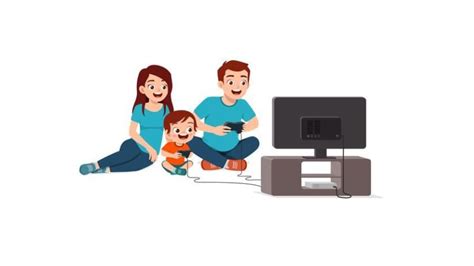
- Play with Your Child: The most effective way to understand a game is to experience it yourself. Play alongside them or watch them play to gauge the content and their reaction.
- Consult Diverse Reviews and Resources: Beyond official ratings, read reviews from parent groups, educational websites, and trusted gaming journalists. Look for nuanced discussions about a game’s content and its suitability for different age groups.
- Watch Gameplay Videos: Platforms like YouTube and Twitch allow you to watch actual gameplay. This provides a clear visual of the game’s mechanics, graphics, and themes without having to purchase it.
- Talk to Your Child: Engage them in conversations about the games they’re interested in or currently playing. Ask them what they enjoy, what challenges they face, and how certain themes make them feel. Their insights are invaluable.
- Set Clear Boundaries and Monitor: Establish family rules regarding screen time, content types, and online interactions. Utilize parental control features on consoles, PCs, and mobile devices to manage access and track activity.

Conclusion: Empowering Your Game Choices
Choosing truly age-appropriate games for your child is an ongoing process that goes far beyond a simple rating label. By considering your child’s unique needs, understanding game mechanics and thematic depth, and actively engaging with the gaming world, you can make confident decisions that foster healthy, enjoyable, and enriching digital experiences. Your informed guidance is the most effective filter for the vast and ever-evolving landscape of video games.