How to choose age-appropriate games using ESRB/PEGI ratings effectively?
Navigating the Digital Playground: Why Ratings Matter
In today’s digital age, video games are an integral part of many children’s lives. While offering numerous benefits, from problem-solving skills to creativity, ensuring that the games your child plays are age-appropriate is crucial for their well-being and development. This is where systems like the Entertainment Software Rating Board (ESRB) and Pan European Game Information (PEGI) come into play, serving as indispensable tools for parents to make informed decisions.

Understanding ESRB Ratings (North America)
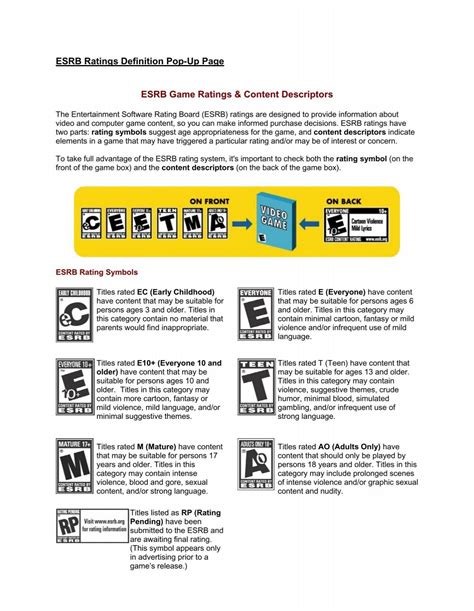
The ESRB system is primarily used in the United States and Canada. It provides two key pieces of information: an age rating category and content descriptors. Understanding both is vital.
ESRB Age Rating Categories:
- EC (Early Childhood): Generally for ages 3 and older. Contains no inappropriate material.
- E (Everyone): Generally for ages 6 and older. May contain minimal cartoon, fantasy or mild violence and/or infrequent mild language.
- E10+ (Everyone 10+): Generally for ages 10 and older. May contain more cartoon, fantasy or mild violence, mild language, and/or minimal suggestive themes.
- T (Teen): Generally for ages 13 and older. May contain violence, suggestive themes, crude humor, minimal blood, simulated gambling, and/or infrequent strong language.
- M (Mature): Generally for ages 17 and older. May contain intense violence, blood and gore, sexual content, and/or strong language.
- AO (Adults Only 18+): Content suitable only for adults. Often includes prolonged scenes of intense violence, graphic sexual content, and/or gambling with real currency.
ESRB Content Descriptors:
These are phrases that indicate specific types of content that may have triggered the age rating. Examples include “Fantasy Violence,” “Strong Language,” “Blood,” “Sexual Themes,” “Use of Alcohol,” and “In-Game Purchases.” Always check these descriptors as they provide a deeper insight into the game’s actual content, beyond just the age label.
Decoding PEGI Ratings (Europe and Beyond)
PEGI is widely used across Europe and in many other countries globally. Similar to ESRB, it offers both age labels and content descriptors.
PEGI Age Labels:
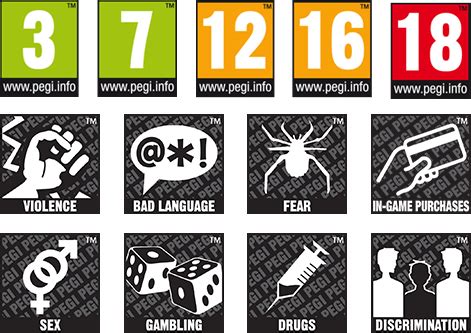
- PEGI 3: Game content is considered suitable for all age groups.
- PEGI 7: Game content that would otherwise be rated PEGI 3 but contains some non-realistic violence or frightening scenes.
- PEGI 12: Games that show violence in a fantasy context or non-realistic violence towards human-like characters; sexual innuendo or bad language.
- PEGI 16: Realistic-looking violence or sexual activity.
- PEGI 18: Adult content, often including extreme violence, graphic sexual content, or glorification of illegal drugs.
PEGI Content Descriptors:
PEGI uses icons for its content descriptors, which are placed below the age label. These icons represent categories like “Violence,” “Bad Language,” “Fear,” “Sex,” “Drugs,” “Gambling,” “Discrimination,” and “In-Game Purchases.” The “In-Game Purchases” icon is particularly relevant today, informing parents if a game offers paid random items or other transactions.

Effective Strategies for Using Ratings
While age and content ratings are fantastic starting points, truly effective game selection requires a bit more parental involvement:
- Go Beyond the Number: Always read the content descriptors carefully. A “T” (Teen) rated game could have very different content depending on whether it’s rated for “Fantasy Violence” or “Suggestive Themes.”
- Watch Gameplay Videos: YouTube and Twitch are excellent resources. Watch a few minutes of gameplay to get a real feel for the game’s atmosphere, language, and action.
- Read Reviews: Look for reviews from reputable gaming sites, but also parent-focused sites that might offer different perspectives.
- Play Together or Observe: If possible, play the game with your child or at least sit and observe them playing. This gives you firsthand knowledge of the content and allows for discussion.
- Consider Your Child’s Maturity: Ratings are guidelines, not absolute rules. You know your child best. A mature 9-year-old might handle an E10+ game better than a less mature 11-year-old. Conversely, a child’s anxiety or sensitivity might mean a lower-rated game is still too much.
- Talk to Your Child: Engage them in the decision-making process. Ask them why they want a particular game and discuss your concerns. This fosters open communication.

Beyond Ratings: Additional Parental Tips
Leveraging ratings is just one piece of the puzzle for responsible gaming. Here are a few more tips:
- Set Screen Time Limits: Establish clear rules about how long and when gaming is allowed.
- Utilize Parental Controls: Most modern consoles, PCs, and mobile devices offer robust parental control features that allow you to restrict access by rating, set time limits, and manage purchases.
- Encourage Balance: Ensure gaming is balanced with other activities like outdoor play, reading, homework, and social interaction.
- Be a Role Model: Show your child healthy gaming habits and an interest in their digital world.

Empowering Informed Gaming Choices
Choosing age-appropriate games doesn’t have to be a guessing game. By understanding and effectively utilizing ESRB and PEGI ratings, parents are equipped with powerful tools to navigate the vast world of video games. Remember that ratings are a starting point; combining them with your knowledge of your child, open communication, and active involvement will lead to the most positive and enriching gaming experiences for your family.