How to choose age-appropriate games that genuinely engage and educate my child?

In today’s fast-paced world, the options for children’s games are virtually endless, ranging from digital apps to classic board games and imaginative play kits. For parents, navigating this vast landscape to find activities that truly resonate with their child’s developmental stage while simultaneously offering both entertainment and genuine learning can be a daunting task. This guide aims to demystify the process, helping you make informed choices that foster growth, curiosity, and joyful engagement.
The Foundation: Understanding Developmental Stages
The most crucial step in selecting appropriate games is recognizing and respecting your child’s current developmental stage. What captivates a toddler will likely bore a school-aged child, and vice versa. Consider their cognitive abilities, fine and gross motor skills, emotional maturity, and social readiness. For instance, a 2-year-old thrives on sensory exploration and cause-and-effect, while a 7-year-old might be ready for strategy games that require critical thinking and turn-taking.
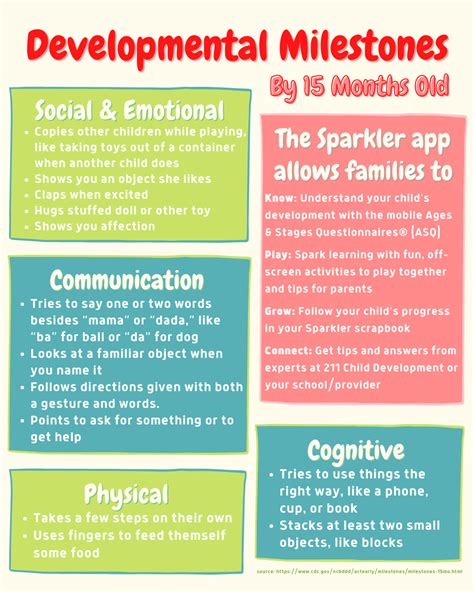
Resources like pediatric development charts or educational game guides can provide insights into typical milestones. However, remember that every child is unique; observe your own child’s interests, frustrations, and natural inclinations to tailor your choices.
Key Pillars for Game Selection
1. Cognitive Engagement: Sparking the Mind
Look for games that challenge your child’s brain without overwhelming them. This could involve puzzles that develop problem-solving skills, memory games that enhance recall, or construction sets that encourage spatial reasoning. Games that require planning, sequencing, or basic mathematical concepts are excellent for fostering cognitive development. The best cognitive games adapt slightly to the child’s progress, offering increasing levels of complexity.
2. Social and Emotional Growth: Learning to Connect
Games are powerful tools for building social and emotional intelligence. Cooperative games teach teamwork, sharing, and communication, while role-playing games can help children explore different emotions, perspectives, and social scenarios. Even competitive games, when played with the right attitude, can teach sportsmanship, resilience, and how to handle both wins and losses gracefully.

3. Physical Development: Movement and Dexterity
Don’t overlook the importance of physical play. Fine motor skill development can be enhanced through activities like building with blocks, stringing beads, drawing, or manipulating small game pieces. Gross motor skills are developed through active games that involve running, jumping, throwing, or balancing. Outdoor games and movement-based indoor games are vital for overall physical health and coordination.
4. Fostering Creativity and Imagination
Some of the most engaging and educational games are those that don’t have a rigid structure. Open-ended toys like art supplies, dramatic play costumes, building blocks, or even natural materials encourage imaginative play, storytelling, and creative problem-solving. These types of games allow children to dictate the narrative, fostering autonomy and innovative thinking.

Beyond “Fun”: Defining Genuine Engagement and Education
Genuine engagement means the child is actively participating, focused, and deriving satisfaction from the activity itself, not just an external reward. An engaging game sparks curiosity and motivates persistent effort. Education, in this context, extends beyond academic subjects; it encompasses life skills, critical thinking, emotional regulation, and physical mastery. A truly educational game provides opportunities for learning through discovery, experimentation, and reflection.

Practical Tips for Parents
- Research and Reviews: Before purchasing, check reputable educational toy reviews or parenting blogs. Look for games recommended by child development experts.
- Observe and Involve: Pay attention to your child’s existing interests. Involve them in the selection process by discussing different options or letting them try out games at a friend’s house or a store.
- Balance is Key: Ensure a healthy mix of digital and physical games, structured and unstructured play, and solo versus group activities.
- Play Together: When possible, join in the game. This not only strengthens your bond but also allows you to model positive play behaviors and guide their learning.
- Don’t Force It: If a game isn’t clicking, don’t push it. Children learn best when they are intrinsically motivated. Sometimes, a game just needs to be revisited at a later developmental stage.

Conclusion
Choosing age-appropriate games that genuinely engage and educate your child is an investment in their holistic development. By understanding their unique needs, focusing on games that stimulate various aspects of growth, and maintaining a balanced approach, you can create a rich play environment. This thoughtful selection process ensures that playtime is not just entertaining, but also a powerful catalyst for learning, creativity, and joy, setting the stage for a well-rounded and curious individual.