How to choose age-appropriate games for my child?

The Importance of Age-Appropriate Play
Choosing the right games for your child is more than just picking something fun; it’s about fostering their development, ensuring their safety, and maximizing engagement. Games, whether physical, digital, or imaginative, are powerful tools for learning and growth. However, a game that’s too advanced can lead to frustration, while one that’s too simple can quickly become boring. More critically, games with inappropriate content can expose children to themes they’re not ready for, impacting their emotional and psychological well-being.

Understanding Developmental Stages
Children develop at different rates, but generally follow predictable patterns. Understanding these stages is fundamental to selecting games that will challenge and entertain them effectively:
- Infants & Toddlers (0-3 years): Focus on sensory exploration, basic motor skills, and cause-and-effect. Think soft blocks, simple shape sorters, and peek-a-boo games.
- Preschoolers (3-5 years): Imagination soars, and social skills begin to emerge. Games promoting pretend play, simple puzzles, and basic counting or alphabet recognition are ideal.
- Early School Age (6-8 years): Children start to grasp rules, develop strategies, and refine fine motor skills. Board games, simple construction sets, and early reading/math games become engaging.
- Tweens (9-12 years): Complex problem-solving, strategic thinking, and social interaction are key. More intricate board games, coding games, and cooperative online experiences (with supervision) can be suitable.

Key Factors to Consider When Choosing Games
Beyond general age guidelines, several factors should influence your selection process:
- Developmental Milestones: Observe your child’s current abilities. Are they mastering fine motor skills, beginning to read, or showing an interest in strategy? Match games to their individual progress.
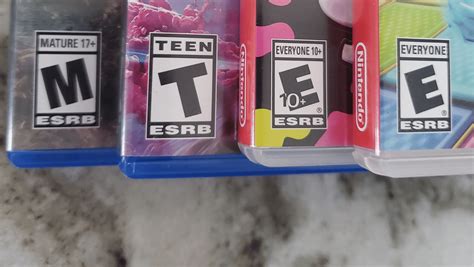
- ESRB/PEGI Ratings: These ratings provide a baseline for content suitability, especially for video games. While helpful, remember they are guidelines, not absolute recommendations, and parental discretion is always necessary.
- Child’s Interests: A game aligned with your child’s passions (dinosaurs, space, art, building) will naturally be more engaging and educational.
- Content Safety: Scrutinize themes for violence, mature language, suggestive content, and any potential for online exploitation. Prioritize games that promote positive values and interactions.
- Educational Value: Many games subtly teach critical thinking, problem-solving, creativity, and teamwork. Look for opportunities where play doubles as learning.
- Balance of Activity: Ensure a healthy mix of physical games, creative play, and screen time. Outdoor games, art projects, and building toys are just as vital as digital entertainment.
Practical Tips for Parents
- Research and Reviews: Before purchasing, look up reviews from other parents, educational experts, or reputable gaming sites that focus on children’s content.
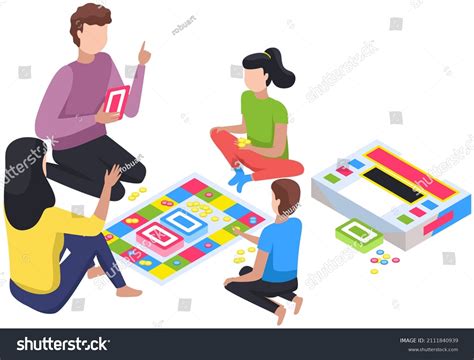
- Play Together: Join in the fun! Playing with your child allows you to assess the game’s suitability firsthand, model good sportsmanship, and bond.
- Observe Your Child: Pay attention to their reactions. Are they frustrated? Bored? Engaged? Their non-verbal cues are invaluable indicators of whether a game is a good fit.
- Don’t Be Afraid to Adjust: If a game isn’t working out, it’s okay to put it aside and try again later or find an alternative. Children’s interests and developmental stages evolve.
- Set Boundaries: For digital games, establish clear rules regarding screen time, types of games, and online interactions.
Fostering Joyful and Meaningful Play
Selecting age-appropriate games is an ongoing process that requires observation, research, and communication with your child. By taking the time to understand their developmental needs and individual interests, you can create a rich play environment that not only entertains but also significantly contributes to their cognitive, social, and emotional growth. Remember, the goal is to foster a love for learning and discovery through play, setting the stage for a lifetime of curiosity and engagement.