How to choose age-appropriate games for kids (ESRB explained)?

Navigating the Digital Playground: Why Age-Appropriate Games Matter
In today’s digital age, video games are an integral part of many children’s lives. While they offer entertainment, educational value, and social interaction, the sheer volume and variety can make choosing the right game a daunting task for parents. Ensuring that games are age-appropriate is vital for a child’s development and well-being, protecting them from content that could be frightening, confusing, or simply unsuitable for their stage of life.
Fortunately, there’s a valuable tool designed to help parents make informed decisions: the Entertainment Software Rating Board (ESRB). This widely recognized rating system provides clear, concise information about video game content, empowering parents to confidently select games that align with their family’s standards and their children’s maturity levels.
Understanding the ESRB: Ratings, Content, and Interactivity
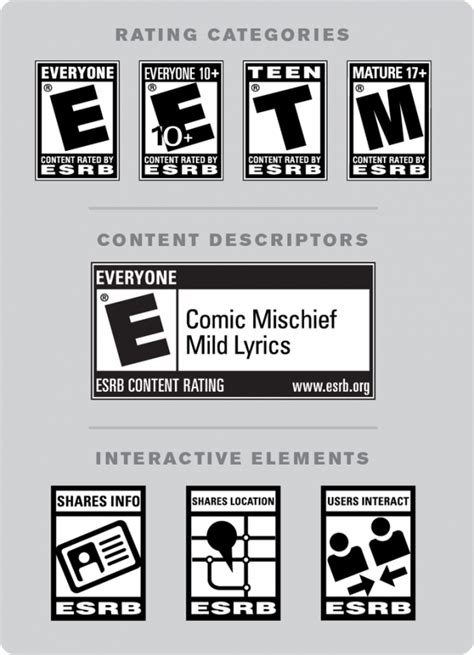
The ESRB is a self-regulatory organization that assigns ratings to video games and apps in the U.S. and Canada. Its primary goal is to provide consumers, especially parents, with comprehensive information about game content so they can make informed purchasing decisions. The system consists of three key components: Rating Categories, Content Descriptors, and Interactive Elements.
Age Rating Categories
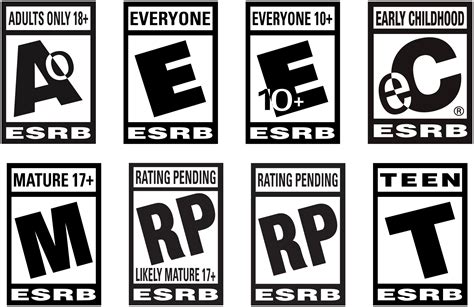
Each game receives one of six primary rating categories, prominently displayed on the game box or digital storefront. These categories suggest the appropriate age range for players:
- EC (Early Childhood): Generally suitable for ages 3 and up. Contains no material that parents would find inappropriate.
- E (Everyone): Generally suitable for ages 6 and up. May contain minimal cartoon, fantasy or mild violence and/or infrequent mild language.
- E10+ (Everyone 10+): Generally suitable for ages 10 and up. May contain more animated, fantasy or mild violence, mild language, and/or minimal suggestive themes.
- T (Teen): Generally suitable for ages 13 and up. May contain violence, suggestive themes, crude humor, minimal blood, simulated gambling, and/or infrequent use of strong language.
- M (Mature): Generally suitable for ages 17 and up. May contain intense violence, blood and gore, sexual content, and/or strong language.
- AO (Adults Only 18+): Content suitable only for adults. May include prolonged scenes of intense violence, graphic sexual content, and/or gambling with real currency. This rating is rare for commercial games.
Content Descriptors: What’s Inside the Box?
Beyond the age rating, ESRB provides Content Descriptors, which explain why a game received a particular rating. These phrases highlight specific types of content that may be found within the game. Examples include:
- Fantasy Violence: Depictions of unrealistic, cartoon-like violence that may involve human or non-human characters.
- Blood: Depictions of blood.
- Strong Language: Explicit and/or frequent use of profanity.
- Suggestive Themes: Mildly provocative references or materials.
- Use of Alcohol/Tobacco: The depiction of alcohol or tobacco use.
- Gambling: Simulated gambling experiences.
- Drug Reference: Reference to illegal drugs.
These descriptors offer a much deeper insight into the game’s actual content, allowing parents to make nuanced decisions even within the same age category.
Interactive Elements: Beyond the Game Itself
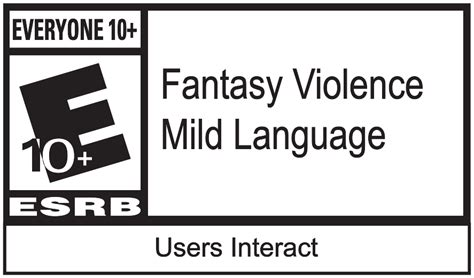
Introduced to address the evolving landscape of digital gaming, Interactive Elements alert consumers to online features that may affect a player’s experience. These include:
- Users Interact: Indicates online interaction between players.
- In-Game Purchases: Alerts to the availability of buying digital goods or content within the game.
- Shares Location: Indicates the game may share a user’s location.
- Unrestricted Internet Access: Players can access the unfiltered internet within the game.
More Than Just a Label: Making Informed Decisions
While the ESRB rating system is an invaluable first step, it’s essential for parents to take a holistic approach. No rating system can replace active parental involvement. Here are some additional tips:
- Do Your Research: Read reviews from reputable gaming sites and parent forums. Watch gameplay videos on platforms like YouTube to get a firsthand look at the content.
- Play Together: When possible, play games with your children. This gives you direct insight into the content and allows for shared family experiences.
- Talk About It: Engage in open conversations with your children about the games they want to play and why. Discuss what makes a game appropriate or inappropriate.
- Consider Individual Maturity: Remember that ESRB ratings are general guidelines. Every child is different, and what’s appropriate for one 10-year-old might not be for another.
- Utilize Parental Controls: Most gaming consoles, PCs, and mobile devices offer built-in parental controls that can restrict access to certain ratings, manage screen time, and limit purchases.

Empowering Parents for a Safer Gaming Experience
Choosing age-appropriate games for children doesn’t have to be a guessing game. By understanding and utilizing the ESRB rating system – including age categories, content descriptors, and interactive elements – parents gain powerful tools to navigate the digital world. Combined with active parenting, open communication, and the use of available parental controls, you can ensure your children have a safe, fun, and enriching gaming experience that truly fits their age and development.