How to choose age-appropriate games ensuring safe & engaging play?

In today’s diverse world of play, parents face the rewarding challenge of selecting games that not only entertain but also contribute positively to their children’s development. Choosing age-appropriate games is crucial for fostering a safe, stimulating, and truly engaging play experience, whether it’s a board game, a digital app, or an outdoor activity.
Why Age-Appropriateness Matters
Age-appropriate games are designed to match a child’s cognitive, emotional, social, and physical developmental stage. Playing games that are too advanced can lead to frustration and disengagement, while games that are too simple might bore them. The right game challenges without overwhelming, building confidence and new skills in a fun, natural way. It also helps protect children from content that might be emotionally or psychologically unsuitable.

Understanding Game Rating Systems
ESRB, PEGI, and Other Labels
Many countries and regions utilize rating systems to guide parents. In North America, the Entertainment Software Rating Board (ESRB) provides age ratings (E for Everyone, T for Teen, M for Mature) and content descriptors (e.g., Violence, Language). In Europe, the Pan European Game Information (PEGI) system serves a similar purpose. These ratings are a vital first line of defense, offering a quick overview of a game’s suitability based on content.
It’s important to look beyond just the age number and delve into the content descriptors. A game rated ‘E for Everyone’ might still contain mild fantasy violence that some parents prefer to avoid, or require reading skills a younger child hasn’t yet developed. Always check the specific warnings for language, violence, mature themes, or online interaction.
Beyond the Ratings: Personal Considerations
Your Child’s Unique Development
While rating systems provide a general guide, every child is unique. Consider your child’s individual maturity level, temperament, and interests. A six-year-old who is easily scared might not be ready for a game that another six-year-old finds thrilling. Observe your child’s reactions to different types of content and activities. What sparks their curiosity? What causes frustration?
Balancing Challenge and Fun
The best games strike a balance. They offer enough challenge to keep children engaged and learning, but not so much that they become discouraged. Look for games with adaptable difficulty settings or those that naturally progress with the child’s skill. Interactive elements that promote problem-solving, creativity, and critical thinking are particularly valuable.
Types of Games and Their Age Considerations
Board Games & Puzzles
Excellent for developing fine motor skills, strategic thinking, and social interaction. For younger children, look for simple matching games or cooperative play. As they grow, introduce games requiring more complex strategy, negotiation, or turn-taking. Always check for small parts for choking hazards with toddlers.
Digital Games & Apps
Digital games can be incredibly educational and stimulating. Prioritize apps that are ad-free, offer clear learning objectives, and have intuitive interfaces. For older children, discuss online safety, privacy settings, and the importance of balanced screen time. Research reviews from trusted sources like Common Sense Media.

Outdoor & Physical Games
Crucial for gross motor skills, coordination, and social development. Ensure play areas are safe, and equipment is age-appropriate and well-maintained. Encourage imaginative play, teamwork, and healthy competition. These games are fundamental for physical health and developing social cues.
Ensuring a Safe Play Environment
Digital Safety Measures
For digital games, implement parental controls on devices and gaming platforms. These controls can manage screen time, restrict purchases, block inappropriate content, and limit online communication. Regularly check in with your child about their online interactions and make sure they understand safe online practices.

Physical Play Safety
When playing outdoors or with physical games, supervision is key, especially for younger children. Ensure play equipment is stable, surfaces are soft, and children wear appropriate safety gear when needed (helmets for bikes, pads for skating). Teach them about sharing, taking turns, and playing fairly to prevent conflicts.
Fostering Engagement and Learning
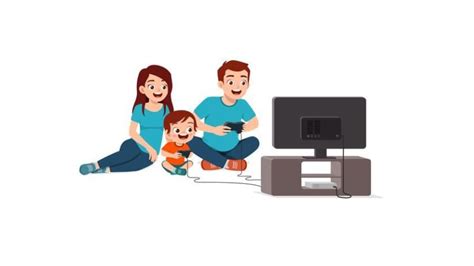
The ultimate goal is to foster a love for play and learning. Engage with your children in their games, even if it’s just by watching and asking questions. Discuss the stories, challenges, and characters. This shared experience not only strengthens your bond but also allows you to guide their understanding and reinforce positive values. Encourage them to explore, create, and even invent their own games.

Conclusion
Choosing age-appropriate games is an ongoing process of observation, research, and communication. By understanding developmental stages, utilizing rating systems, and most importantly, knowing your child’s unique personality and interests, you can create a play environment that is not only safe and engaging but also deeply enriching for their growth and happiness. Remember, play is how children learn about the world and themselves, making thoughtful game selection one of the most valuable investments a parent can make.