How to choose age-appropriate games & ensure kids’ online safety?

Navigating the Digital Playground: A Parent’s Guide
In today’s digitally driven world, video games have become an integral part of many children’s lives. While offering numerous benefits like enhanced problem-solving skills, creativity, and social interaction, the vast and evolving landscape of online gaming can present significant challenges for parents. The dual task of selecting games that are suitable for a child’s age and ensuring their safety in online environments often feels overwhelming. This guide aims to equip you with the knowledge and tools to confidently navigate this digital playground, fostering a fun yet secure gaming experience for your children.
Understanding Game Rating Systems
The first and most crucial step in choosing age-appropriate games is familiarizing yourself with established game rating systems. Organizations such as the Entertainment Software Rating Board (ESRB) in North America and Pan European Game Information (PEGI) provide clear guidelines based on a game’s content appropriateness. These ratings are designed to inform consumers about the content of a game and the ages for which it is deemed suitable, covering aspects like violence, language, suggestive themes, and more. Always make checking these ratings a habit before any game purchase or download.

Beyond the primary age recommendation, these rating systems often include detailed content descriptors. For example, an ‘E10+’ rating from the ESRB might be accompanied by descriptors such as ‘Fantasy Violence’ or ‘Mild Language,’ offering parents a granular understanding of specific elements their child will encounter within the game. Reading these descriptors provides a clearer picture than the age rating alone.
Researching and Engaging with Games
Never rely solely on appealing box art or a friend’s recommendation. Take a proactive approach to research any game your child expresses interest in. Utilize resources like YouTube for gameplay videos, read reviews from other parents on reputable gaming sites, and explore dedicated forums where parents discuss specific titles and their suitability. Understanding the game’s community and potential online interactions can be just as vital as evaluating its core content.

Consider playing games with your child, especially when they are younger. This direct involvement allows you to assess the content firsthand, observe their reactions, and understand the gameplay mechanics. Furthermore, it transforms gaming into a shared activity, fostering bonding and opening up natural opportunities for conversation about what they are experiencing, learning, and encountering online.
Prioritizing Online Safety Measures
Once an appropriate game is selected, ensuring a safe online environment becomes paramount, particularly for games with multiplayer or online interaction features. Begin by implementing robust parental controls available on gaming consoles, PCs, and mobile devices. These controls are powerful tools that can restrict access to certain content, set screen time limits, manage in-game purchases, and control who your child can communicate and interact with online.
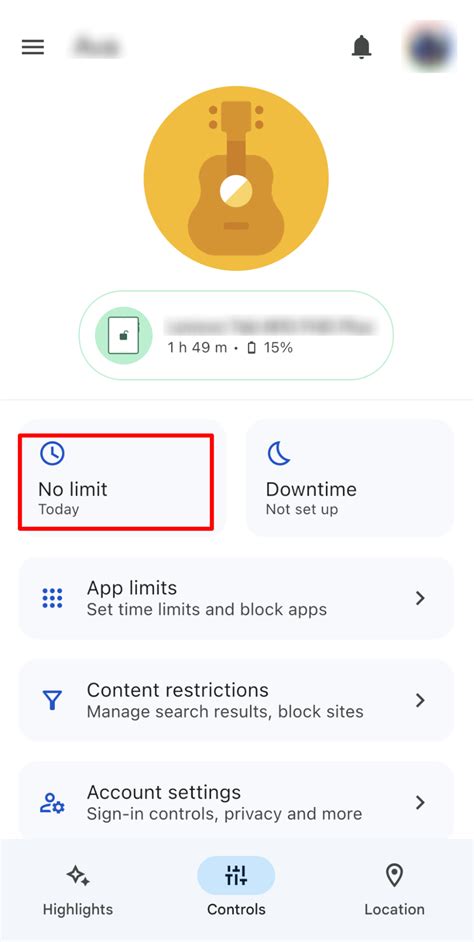
Educate your children about the importance of online privacy. Emphasize that they must never share personal information—such as their full name, address, school, or phone number—with strangers online. Teach them how to create strong, unique passwords for all their accounts and reinforce that these passwords should never be shared, even with close friends.
Fostering Open Communication and Awareness
One of the most potent tools in your online safety arsenal is fostering open and honest communication. Encourage your children to talk to you about their online experiences, both positive and negative. Create a safe space where they feel comfortable reporting anything that makes them uncomfortable, scared, or sad, without the fear of immediate punishment or having their gaming privileges revoked.
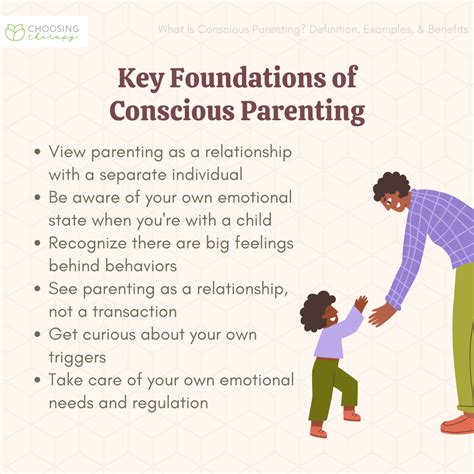
Discuss potential online dangers such as cyberbullying, phishing scams, and exposure to inappropriate content. Teach them what steps to take if they encounter such situations – whether it’s blocking a user, reporting content to the platform, or coming directly to you for help. Remind them that not everyone online is who they claim to be, and to be cautious about friend requests or direct messages from strangers.
Managing Screen Time and Digital Well-being
While not strictly a safety measure, managing screen time is critical for overall digital well-being. Establish clear and consistent rules regarding gaming sessions, considering both the duration and the time of day. Encourage a healthy balance between gaming and other essential activities such as outdoor play, reading, schoolwork, and family time. A balanced approach prevents gaming from becoming an all-consuming activity.

Regularly review your child’s online habits and the games they are playing. Technology and online trends evolve rapidly, and so do the associated challenges. Staying informed, adaptable, and engaged is key to maintaining a safe, enriching, and responsible digital experience for your children as they grow.
Conclusion
Guiding children through the dynamic world of digital gaming requires a proactive, informed, and involved approach from parents. By thoroughly understanding game ratings, conducting diligent research, implementing robust parental controls and privacy settings, fostering continuous open communication, and setting healthy screen time boundaries, you can confidently help your children enjoy the myriad benefits of gaming while effectively minimizing potential risks. Your active participation and guidance are undeniably the most effective shields your child has in the online realm.