How to choose age-appropriate games and set healthy screen limits?
In today’s digital age, video games are an inescapable part of childhood. While they offer entertainment and can even foster cognitive skills, parents often grapple with two significant concerns: ensuring the games their children play are suitable for their age and setting healthy boundaries for screen time. Striking the right balance is crucial for a child’s development, well-being, and overall family harmony.
Understanding Age-Appropriateness in Gaming
The concept of an age-appropriate game goes beyond just violence or mature themes. It encompasses a game’s complexity, required reading level, problem-solving skills, and even potential for addiction or frustration. Tools like the ESRB (Entertainment Software Rating Board) in North America or PEGI (Pan European Game Information) in Europe provide valuable ratings that indicate content and suitability, much like movie ratings.
When selecting a game, consider your child’s developmental stage. A game that is too challenging can lead to frustration, while one that is too simple might bore them. Look beyond the rating to the actual content warnings – does it involve intense fantasy violence, strong language, gambling themes, or in-app purchases? These details help you make an informed decision that aligns with your family values and your child’s emotional maturity.

Practical Steps to Choose the Right Games
Choosing games doesn’t have to be a shot in the dark. Start by doing your research. Websites like Common Sense Media offer detailed reviews from both parent and child perspectives, covering educational value, positive messages, and potential pitfalls. Watch gameplay videos on platforms like YouTube to get a firsthand look at the game’s mechanics and content.
Engage with your child in the selection process. Ask them what types of games interest them and why. This not only empowers them but also opens a dialogue about what they are exposed to. Where possible, play the game with them, at least initially. This allows you to observe their reactions, assess the content directly, and even turn gaming into a shared family activity.
Prioritize games that offer educational value, encourage creativity, or promote social interaction (in a positive, collaborative way). Many games can teach strategic thinking, problem-solving, and even history or science in an engaging format. However, remember that not every game needs to be explicitly educational; pure fun and relaxation also have their place.

Setting Healthy Screen Time Limits
Once you’ve chosen appropriate games, the next challenge is managing screen time. The American Academy of Pediatrics (AAP) provides general guidelines, suggesting no screen time for children under 18-24 months (except video-chatting), and an hour or less of high-quality programming for those aged 2-5 years. For school-aged children and adolescents, the AAP recommends placing consistent limits on media time, ensuring it doesn’t displace adequate sleep, physical activity, and other essential behaviors.
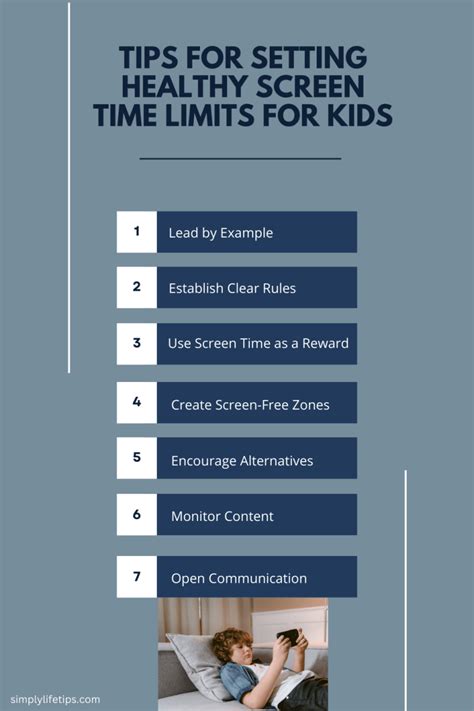
Consistency is paramount. Establish clear, predictable rules about when, where, and for how long screens can be used. This might mean setting specific times for gaming, linking screen time to completed chores or homework, or implementing a ‘no screens during meals’ policy. Write these rules down and display them prominently, involving your children in their creation where appropriate to foster a sense of ownership.

Implementing Parental Controls and Digital Boundaries
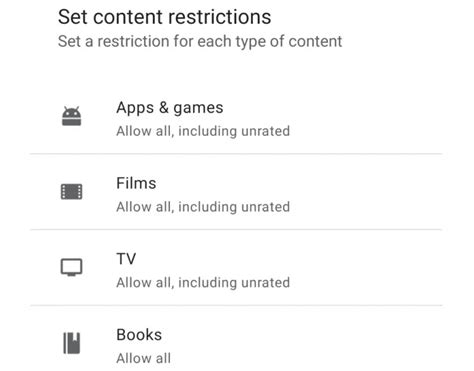
Leverage technology to help enforce your limits. Most gaming consoles, smartphones, and tablets offer built-in parental control features that allow you to set time limits, restrict access to certain apps or content, and even manage in-app purchases. Utilize these tools, but remember they are aids, not replacements for open communication and active parenting.
Beyond time limits, consider creating ‘screen-free zones’ or ‘screen-free times’ in your home. The dinner table, bedrooms after a certain hour, or during family outings can be designated as times and places where devices are put away. This encourages face-to-face interaction, promotes better sleep habits, and helps children understand that there’s a world beyond the screen.
Fostering a Balanced Digital Life and Open Communication
Healthy screen time isn’t just about limiting digital exposure; it’s about encouraging a balanced life. Ensure your child has ample opportunities for physical activity, outdoor play, reading, creative arts, and social interaction with peers offline. These activities are vital for their holistic development and prevent screens from becoming the sole source of entertainment.
Maintain an ongoing, open dialogue with your children about their digital experiences. Ask them about the games they’re playing, who they’re interacting with online, and how certain content makes them feel. Teach them about online safety, digital citizenship, and the importance of critical thinking when encountering information or people online. This ongoing conversation builds trust and allows you to address issues proactively.
Crucially, model the behavior you want to see. Children are keen observers. If parents are constantly glued to their phones or devices, it sends a mixed message. Demonstrate healthy screen habits by setting your own device aside during family time, engaging in non-screen activities, and showing that a rich life exists both online and offline.

Conclusion
Choosing age-appropriate games and setting healthy screen limits are dynamic processes that evolve as your child grows. It requires a combination of research, consistent rule-setting, smart use of technology, and, most importantly, open communication and active involvement. By approaching digital parenting with intention and flexibility, you can help your children navigate the gaming world safely and cultivate a balanced relationship with technology that supports their overall health and happiness.