How to break down complex game concepts for absolute beginners without jargon?

For newcomers looking to dive into the vast world of video games, the experience can often feel like trying to decipher an alien language. Game developers and seasoned players frequently use specialized terms – jargon – that can quickly overwhelm and discourage absolute beginners. The challenge, then, is not just to explain the mechanics, but to do so in a way that’s accessible, engaging, and entirely free of intimidating terminology. This guide will equip you with effective strategies to demystify complex game concepts for anyone, regardless of their prior gaming experience.
Understand Your Audience: Assume Zero Prior Knowledge
The first and most crucial step is to fully appreciate that your audience truly knows nothing about gaming conventions. Forget “DPS,” “aggro,” “buffs,” or even “health bar.” These terms, second nature to gamers, are opaque to beginners. Start from the absolute ground up. Think about how you would explain the concept of “movement” in a game: it’s not just “use WASD,” but “these keys make your character walk forward, backward, left, or right, just like directional buttons on a remote control.”
Leverage Real-World Analogies and Metaphors
One of the most powerful tools in your arsenal is the analogy. By relating game concepts to everyday experiences, you bridge the knowledge gap. Instead of saying “you need to manage your mana for spell casting,” you could say, “Think of mana as your character’s energy for magic, like a phone battery that drains with use and recharges over time.” Health points (HP) can be explained as “your character’s life force, like how many hits you can take before you’re knocked out, similar to a boxer’s endurance.”
These comparisons make abstract ideas tangible and immediately relatable, grounding the unknown in the familiar. The more vivid and common the analogy, the better it will stick.
Start Simple, Then Gradually Build Complexity
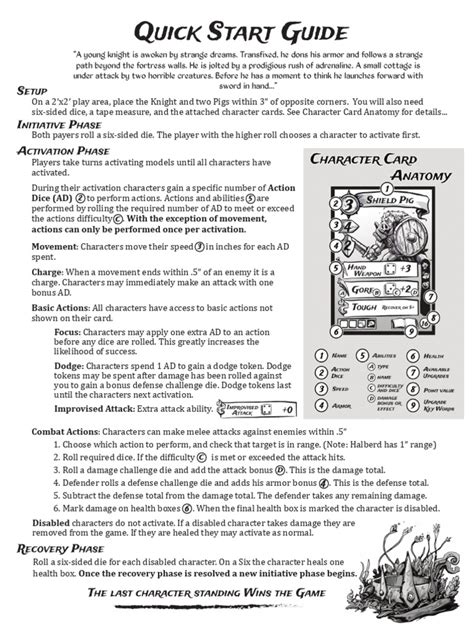
Don’t dump all the information at once. Introduce core mechanics first, ensure they are understood, and then progressively add layers of complexity. For instance, when explaining a fighting game, start with basic movement and attack buttons. Once a beginner can consistently move and land a simple punch, then introduce blocking, special moves, and combos. This “crawl, walk, run” approach prevents information overload and allows new players to build a foundational understanding before tackling more intricate systems.

Show, Don’t Just Tell: Visuals and Practical Demonstrations
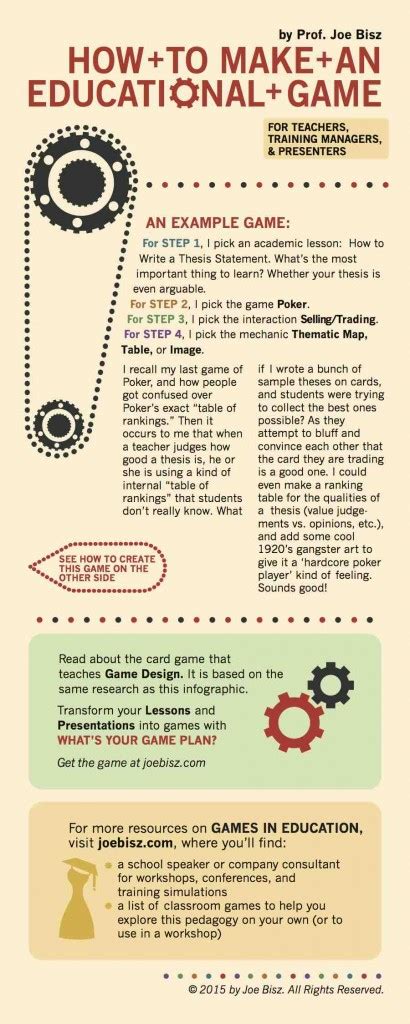
Theoretical explanations, while helpful, are often insufficient. Whenever possible, demonstrate the concept in action. If you’re explaining how to use an item, show them by doing it yourself. Use visual aids like simple diagrams or even just pointing directly at the screen. Better yet, let them try it themselves. Hands-on experience is invaluable for learning, allowing beginners to internalize mechanics through practice rather than just passive listening. Guide them through the process step-by-step, celebrating small successes.
Break Down Concepts into Bite-Sized Chunks
Complex game systems are often made up of several smaller, interconnected concepts. Tackle each concept individually. Instead of trying to explain “economy, crafting, and resource management” all at once, explain “collecting items,” then “what those items are used for,” and finally “how to turn them into something useful.” This modular approach makes learning less daunting and allows the beginner to master one piece before moving to the next. Pause frequently to check for understanding and offer opportunities for questions.
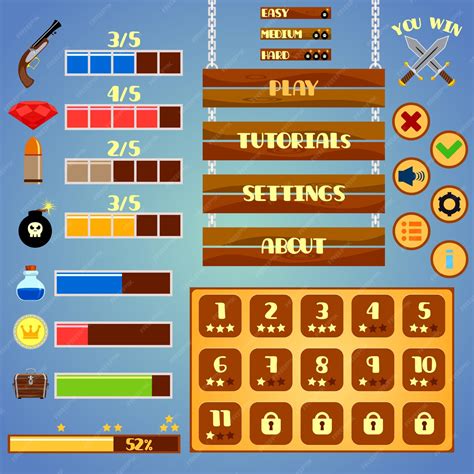
Redefine or Rephrase Every Potentially Jargon-Filled Term
If a game-specific term is unavoidable (e.g., a character’s unique ability name), immediately follow it with a plain-language explanation. However, the best practice is to proactively replace jargon with common terms. Instead of “aggro,” use “getting the enemy’s attention.” Instead of “buff,” use “making your character stronger temporarily.” This proactive approach ensures that every word used contributes to clarity rather than confusion. Continuously ask yourself, “Could I explain this to a 5-year-old?”

Conclusion: The Art of Clear Communication
Teaching complex game concepts without jargon is an art form centered on empathy and clear communication. By assuming no prior knowledge, using relatable analogies, building explanations incrementally, demonstrating actively, breaking down information, and rigorously avoiding or rephrasing technical terms, you can transform what seems like an impenetrable fortress into an exciting new world for absolute beginners. Your patience and clarity will not only make gaming more accessible but will also foster a deeper, more enjoyable learning experience for those taking their first steps into digital adventures.