How to boost mobile game D1 retention?

The Critical Role of D1 Retention
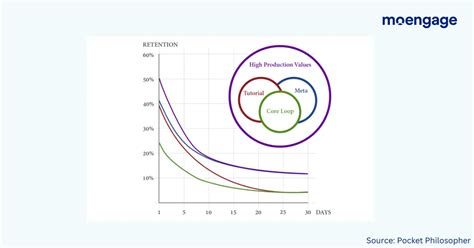
In the fiercely competitive mobile gaming landscape, attracting new players is only half the battle. The true measure of a game’s early success often lies in its Day 1 (D1) retention – the percentage of users who return to play your game on the day following their first session. A strong D1 retention rate is a vital indicator of player engagement, the quality of your onboarding experience, and the overall appeal of your game’s core loop. Neglecting this metric can lead to a leaky funnel, where marketing spend goes to waste as players churn out almost immediately. Boosting D1 retention is paramount for long-term growth and profitability.
Crafting a Flawless First-Time User Experience (FTUE)
The first few minutes a player spends in your game are arguably the most crucial. A clunky, confusing, or overly long tutorial is a guaranteed way to lose players. Your FTUE should be a masterclass in guidance without hand-holding. It needs to introduce core mechanics intuitively, showcase the game’s unique selling points, and provide immediate, satisfying rewards.
- Streamlined Onboarding: Get players into the action quickly. Minimize mandatory text and focus on interactive learning.
- Pacing is Key: Gradually introduce complexity. Don’t overwhelm players with too many systems or options upfront.
- Instant Gratification: Ensure players achieve small victories or receive early rewards to feel a sense of accomplishment and progression.
- Compelling Narrative Hook: If your game has a story, use it to draw players in from the very beginning.

Designing an Engaging Core Gameplay Loop
Once the initial tutorial is complete, the game’s core loop must be compelling enough to sustain interest. Players need clear goals, meaningful progression, and a sense of mastery. The loop should offer variety and emergent gameplay possibilities to prevent monotony.
- Clear Goals and Progression: Players should always know what to do next, whether it’s completing a quest, upgrading a character, or unlocking a new area.
- Meaningful Rewards: Ensure that effort translates into tangible and desirable rewards that fuel further engagement.
- Varied Content: Introduce new game modes, characters, challenges, or environments to keep the experience fresh, especially in the early stages.
- Skill-Based or Strategic Depth: Provide opportunities for players to improve their skills or strategize, fostering a sense of ownership and achievement.
Optimizing Performance and Stability
Technical issues are instant retention killers. A game that crashes frequently, suffers from long loading times, or drains battery excessively will quickly be uninstalled. Prioritize performance optimization and rigorous testing across a wide range of devices.
Even minor glitches can disrupt the flow and frustrate players. Ensure your game is stable, responsive, and performs well on various mobile operating systems and hardware configurations. This foundational quality assurance is non-negotiable for retaining users beyond their first session.

Leveraging Strategic Push Notifications
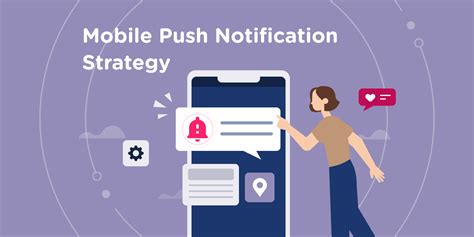
Push notifications, when used correctly, can be a powerful tool for bringing players back. The key is to make them timely, personalized, and valuable, rather than intrusive or spammy. Think about sending notifications for:
- Energy/Stamina Replenishment: “Your energy is full! Time for more adventures.”
- Time-Limited Events: “Don’t miss out on the Goblin Horde event ending soon!”
- Social Interactions: “Your friend ‘PlayerX’ sent you a gift!”
- New Content/Rewards: “A special daily reward awaits you!”
Always give players control over notification preferences and avoid over-saturating them. A well-timed, value-driven notification can be the gentle nudge needed for a player to return for Day 2.
Fostering Community and Social Interaction
Humans are social creatures, and integrating social features can significantly boost retention. Giving players a reason to interact with others, whether competitively or cooperatively, creates a deeper sense of connection to the game.
- Guilds/Clans: Allow players to join groups, collaborate on goals, and build camaraderie.
- Leaderboards: Encourage competition and provide a sense of achievement.
- Player-versus-Player (PvP) Modes: If suitable for your game, PvP can offer endless replayability.
- Social Sharing: Enable players to share achievements or moments with friends.
Even simple features like gifting or visiting a friend’s base can reinforce the social aspect and provide a reason to return.

Conclusion: Data-Driven Retention Strategies
Boosting D1 retention is not a one-time fix but an ongoing process of analysis, iteration, and improvement. By meticulously refining your FTUE, ensuring a captivating core loop, prioritizing technical stability, employing smart notification strategies, and fostering a sense of community, you can significantly increase the likelihood that new players will become loyal, long-term users. Continuously collect data, listen to player feedback, and be prepared to adapt your strategies to keep your mobile game thriving.