How to balance screen time with other activities for young gamers?
Understanding the Allure of Gaming for Kids
In today’s digitally saturated world, video games have become an undeniable part of childhood. For many young people, gaming isn’t just a pastime; it’s a world of adventure, a social hub, a mental challenge, and a creative outlet. From competitive esports to immersive storytelling, games offer unique experiences that can foster problem-solving skills, quick thinking, and even social connections.
However, the magnetic pull of screens can often make it difficult for parents to ensure their children engage in a well-rounded set of activities. Finding the sweet spot where gaming is enjoyed without overshadowing other crucial aspects of development is a common challenge for many families.

Why Balance is Crucial for Development
While gaming offers benefits, an imbalanced approach can have potential downsides. Excessive screen time can displace opportunities for physical activity, outdoor play, face-to-face social interaction, creative hobbies, and academic pursuits. These real-world experiences are vital for developing gross motor skills, fostering empathy, building resilience, and nurturing a diverse range of talents.
A healthy balance ensures that children develop across all domains: physically, emotionally, socially, and intellectually. It helps prevent issues like sedentary lifestyles, sleep disturbances, and potential difficulties in real-world social settings, while still allowing them to enjoy their digital interests responsibly.

Practical Strategies for Parents to Foster Balance
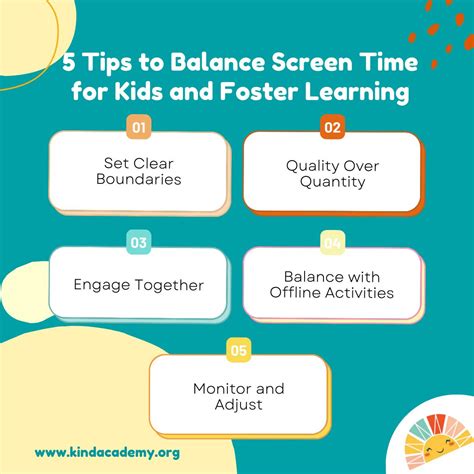
1. Establish Clear Boundaries and Schedules
Work with your child to set specific limits on gaming time. This could be daily limits, weekly allowances, or specific times of day when screens are off-limits (e.g., during meals, before bed, or until homework is done). Consistency is key, and using timers can help children visualize their remaining screen time.
2. Create a “Screen Time Contract”
Involve your child in developing rules and expectations. A written agreement, co-signed by both parent and child, can give children a sense of ownership and responsibility. Include provisions for earning extra screen time through chores or good behavior, and consequences for not adhering to the rules.

3. Offer Engaging Alternatives
Actively encourage and provide opportunities for non-screen activities. This might include enrolling them in sports, art classes, music lessons, or joining clubs. Stock your home with books, board games, puzzles, and craft supplies. Plan family outings to parks, museums, or local events. The goal is to make these alternatives as appealing as possible.
4. Lead by Example
Children often mirror their parents’ behavior. Model healthy screen habits yourself by putting away your phone during family time, engaging in non-screen hobbies, and taking regular digital breaks. Discuss your own screen usage and why balance is important for adults too.
5. Monitor Content and Context
Be aware of what games your child is playing and who they are playing with. Engage with their gaming world by asking questions, or even playing alongside them occasionally. This opens lines of communication and helps you understand the appeal and potential influences of their gaming environment.
Making Screen Time Productive and Positive
Not all screen time is equal. Encourage games that are educational, promote creativity, or involve collaborative play with friends or family. Many games offer valuable learning opportunities in areas like history, logic, and strategic planning. View gaming as an opportunity to connect with your child’s interests rather than just a distraction.

Communication and Flexibility are Key
Maintain open lines of communication with your child about their gaming habits. Discuss why limits are necessary and how they contribute to their overall well-being. As children grow, their needs and interests change, so be prepared to adjust rules and expectations accordingly, always aiming for a balanced and healthy approach.
Ultimately, the goal isn’t to eliminate screens, but to integrate them harmoniously into a rich and varied childhood experience. By setting thoughtful boundaries, offering diverse alternatives, and fostering open dialogue, parents can guide their young gamers toward a fulfilling life both on and offline.