How to avoid predatory monetization in F2P mobile games while still enjoying quality titles?
The Allure and Peril of Free-to-Play
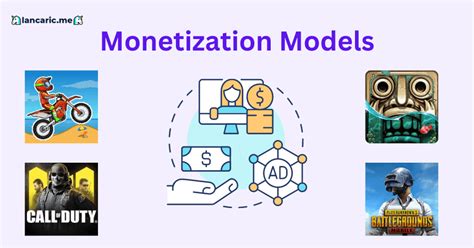
Free-to-play (F2P) mobile games have revolutionized the gaming landscape, offering instant entertainment without an upfront cost. Millions enjoy titles ranging from casual puzzles to complex RPGs. However, this accessibility often comes with a hidden cost: monetization strategies that can quickly turn predatory, exploiting player psychology and creating immense pressure to spend money. The good news is that you don’t have to sacrifice quality gaming experiences to avoid these pitfalls. With awareness and strategic thinking, you can navigate the F2P world responsibly.
Understanding Predatory Monetization Tactics
To avoid falling victim, it’s crucial to recognize the common tactics employed by games designed to extract maximum revenue. These aren’t just about offering optional purchases; they’re often engineered to create addiction, exploit impulse, or gate progress aggressively.
- Loot Boxes & Gacha Mechanics: Offering randomized rewards, often with extremely low chances for desirable items, akin to gambling.
- Energy Systems & Time Gates: Limiting playtime or progress unless players wait extended periods or pay to instantly refill “energy” or skip timers.
- Pay-to-Win (P2W): Giving significant gameplay advantages (e.g., stronger gear, characters, or resources) exclusively to paying players, making it near impossible for F2P players to compete.
- Aggressive Advertisements: Forced full-screen ads, particularly for in-game bonuses or revives, disrupting gameplay and pushing players towards ad-free options.
- Fear of Missing Out (FOMO): Limited-time offers, battle passes, and seasonal events that pressure players to buy items or play excessively before they disappear forever.
- Multiple Currencies: Introducing several in-game currencies, often with convoluted exchange rates, to obscure the real monetary value of purchases.
Red Flags to Watch Out For
While enjoying a new F2P title, pay close attention to these warning signs that indicate a game might be leaning towards predatory practices:
- Constant Pop-ups and Notifications: Overly aggressive promotion of sales, bundles, or daily “rewards” that require immediate attention.
- Unfair Difficulty Spikes: Gameplay difficulty suddenly escalating to an unreasonable degree, seemingly designed to force players to buy power-ups or upgrades.
- “Whale” Focus: Games that clearly cater to a small percentage of high-spending players, often at the expense of the general F2P experience.
- Disabling In-App Purchases (IAP) Feels Essential: If the game feels unplayable or severely hampered without spending money, it’s likely a red flag.
- Fake Sales & Discounts: Consistently presenting items as “on sale” or “limited time” when they are perpetual or return frequently.
Strategies for a Savvy F2P Player
You absolutely can enjoy high-quality F2P games without opening your wallet. Here’s how:
- Set Clear Boundaries: Decide before you start playing if you will spend money or not. If not, stick to it. If yes, set a strict budget and never exceed it.
- Read Reviews and Research: Before investing time, check reviews on app stores, gaming forums, and reputable gaming sites. Look for discussions about monetization practices.
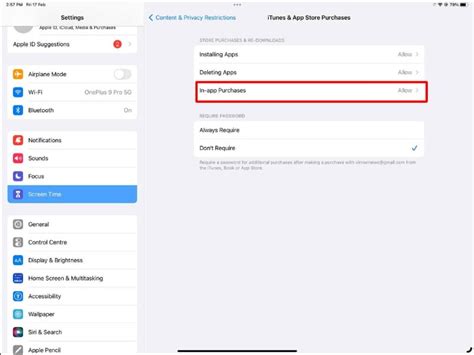
- Disable In-App Purchases: If you struggle with temptation, disable IAPs through your device settings.
- Embrace the Grind (Mindfully): Some F2P games offer a legitimate path to progression through dedication. If you enjoy the core gameplay loop, the grind can be part of the fun. Just don’t let it become a chore.
- Prioritize Skill Over Spending: Focus on improving your gameplay skills and strategic thinking rather than relying on purchases to overcome challenges.
- Enjoy at Your Own Pace: Resist the urge to keep up with leaderboards or other players who spend money. Play for your own enjoyment.

Identifying Quality F2P Titles
Not all F2P games are created equal. Many developers genuinely strive to offer a fair and enjoyable experience. Look for games that:
- Offer Generous F2P Progression: Allow players to earn premium currency, desirable items, or progress at a reasonable pace without spending.
- Focus on Cosmetic Monetization: If purchases are primarily for skins, emotes, or aesthetic upgrades that don’t affect gameplay, it’s generally a fairer model.
- Provide Clear Value: If you choose to spend, the purchase feels substantial and worth the money, rather than a small, fleeting boost.
- Are Respectful of Your Time: Avoid excessively long wait times or energy systems that halt progress aggressively.
- Have Positive Community Feedback: A healthy community that isn’t constantly complaining about paywalls or unfair mechanics is a good sign.
Embracing Alternatives
If you find yourself repeatedly frustrated by F2P monetization, consider exploring other options:
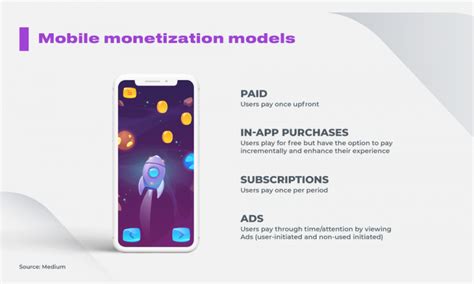
- Premium Mobile Games: Many high-quality games are available for a one-time purchase, offering a complete experience without IAPs or ads.
- Subscription Services: Services like Apple Arcade or Google Play Pass offer a curated selection of premium games for a monthly fee, all completely free of ads and IAPs.
- PC/Console Gaming: While a different platform, these offer vast libraries of games with diverse monetization models, often focusing on upfront purchases.
Conclusion
The world of F2P mobile gaming is vast and ever-evolving. While the temptation of instant, free entertainment is strong, so too are the sophisticated tactics designed to encourage spending. By understanding what constitutes predatory monetization, recognizing red flags, and adopting smart playing strategies, you can confidently enjoy the wealth of quality mobile titles available without compromising your financial well-being or gaming enjoyment. Play smart, stay informed, and most importantly, have fun on your own terms.