How to avoid excessive microtransactions in free-to-play mobile games?
Navigating the Lure of Free-to-Play Mobile Games
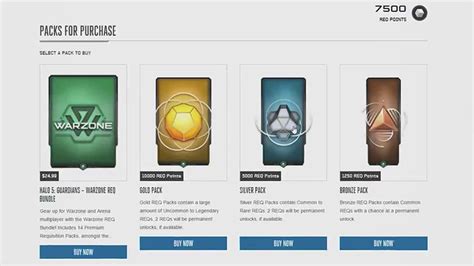
Free-to-play (F2P) mobile games have revolutionized the gaming landscape, offering accessible entertainment to millions. However, their “free” nature often comes with a catch: microtransactions. These in-app purchases (IAPs), ranging from cosmetic items to crucial power-ups, can quickly accumulate, transforming a seemingly free experience into an expensive habit. Understanding how to navigate this ecosystem is key to enjoying mobile gaming without financial regret.
Understand the Monetization Model
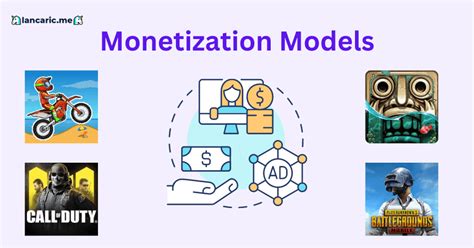
F2P games aren’t truly free to develop or maintain. Developers rely on microtransactions to generate revenue, covering server costs, ongoing development, and profits. This model often involves offering convenience (skipping wait times), cosmetic personalization, or competitive advantages (pay-to-win elements). Recognizing these motivations helps players identify potential pitfalls and decide what, if anything, is truly worth paying for.

Set Strict Spending Limits and Stick to Them
The most fundamental defense against excessive spending is a personal budget. Before downloading any F2P game, decide how much, if anything, you are willing to spend per week or month on mobile gaming. Treat this budget like any other discretionary expense. Many players find success by setting a “no spending” rule entirely, relying solely on free progression.
- Allocate a fixed amount: Only put money into your digital wallet that you’ve designated for gaming.
- Track your purchases: Regularly review your app store purchase history to stay aware of your spending.
- Use gift cards: Purchase app store gift cards with your allocated budget to prevent direct debit from your bank account.
Research Before You Play
Not all F2P games are created equal. Some offer fair monetization, while others are aggressive and designed to exploit players’ psychological triggers. Before investing time (and potentially money), do your research:
- Read reviews: Look for mentions of “pay-to-win” (P2W), “greedy developers,” or “expensive IAPs” in app store reviews and gaming forums.
- Watch gameplay videos: See how progression works and if premium currencies or items are constantly pushed.
- Check community discussions: Engaging with player communities can reveal a game’s true monetization practices.

Embrace Patience and “Grinding”
Most F2P games are designed with deliberate friction – waiting times, limited energy, or scarce resources – to encourage IAPs. The alternative is often patience and “grinding” (repeating tasks to earn in-game rewards). Many players find satisfaction in overcoming these challenges through persistence rather than immediate purchases. View waiting as a natural part of the game’s rhythm, not a barrier to be circumvented with real money.
Utilize Device Restrictions for In-App Purchases
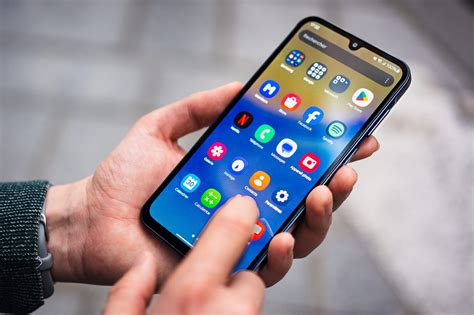
Modern smartphones and tablets offer robust parental controls and spending restrictions that adults can also use for self-control. On iOS, you can disable in-app purchases entirely or require a password for every transaction. Android offers similar options in Google Play Store settings. Implementing these safeguards adds an extra layer of friction, making impulse buys less likely.
Distinguish Between “Fun” and “Progress”
Often, microtransactions don’t enhance the core fun of a game; they merely accelerate progression or offer cosmetic changes. Ask yourself if a purchase genuinely improves your enjoyment or if it’s simply a way to keep up with others or avoid a minor inconvenience. Focusing on the inherent fun of gameplay – the strategy, the social interaction, the challenge – can help you resist purchases driven solely by a desire for faster progress.

Be Wary of Psychological Tactics and FOMO
Developers employ various psychological techniques:
- Scarcity: “Limited time offers!” or “Only X items left!”
- Urgency: Countdown timers for sales.
- Gacha mechanics: Loot boxes that gamble on rare items.
- Anchoring: Presenting a high-priced item first to make subsequent items seem cheaper.
- Fear of Missing Out (FOMO): Exclusive event content that will disappear.
Recognizing these tactics for what they are – marketing ploys – can significantly reduce their power over your purchasing decisions.
Know When to Walk Away
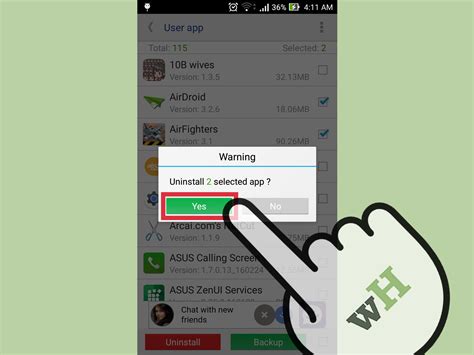
If a game consistently makes you feel pressured, exploited, or unable to progress without spending, it might be time to uninstall it. Your entertainment should not come at the cost of your financial well-being or peace of mind. There are countless other enjoyable games, both F2P and paid, that respect your time and money.
Conclusion
Free-to-play mobile games can be a fantastic source of entertainment, but excessive microtransactions can quickly sour the experience. By understanding the monetization model, setting strict personal limits, researching games thoroughly, embracing patience, utilizing device restrictions, and recognizing psychological manipulation, you can enjoy these games on your own terms. Play smart, spend wisely, and keep the fun in gaming.