How do you simplify complex game mechanics for new players without loss of depth?

The Balancing Act: Accessibility Meets Depth
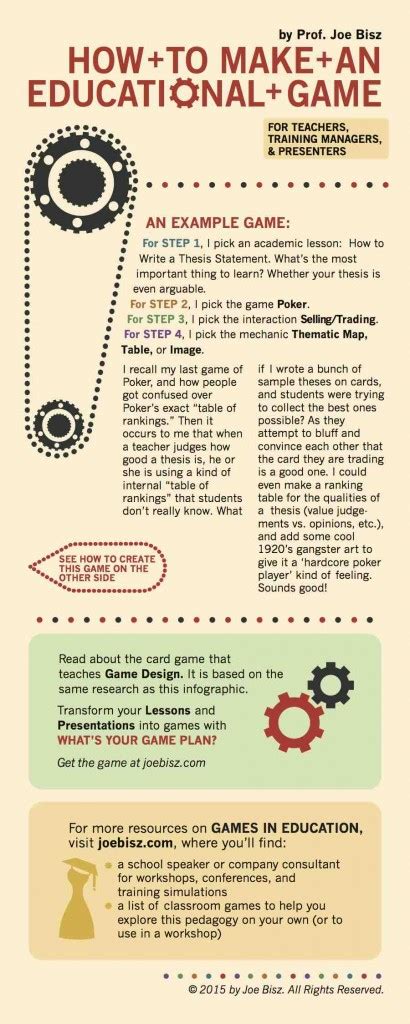
Many of the most rewarding games boast intricate systems, deep strategic layers, and mechanics that take dozens, if not hundreds, of hours to master. However, this inherent complexity can be a significant barrier for new players, leading to frustration and early abandonment. The challenge for game designers is to bridge this gap: how do you make a deeply complex game approachable for beginners without stripping away the very elements that make it compelling for veterans?
The answer lies in a combination of smart design principles that prioritize progressive learning, intuitive feedback, and player agency. It’s not about ‘dumbing down’ your game, but rather about ‘smartening up’ its presentation.
Progressive Revelation: Layering Mechanics Over Time
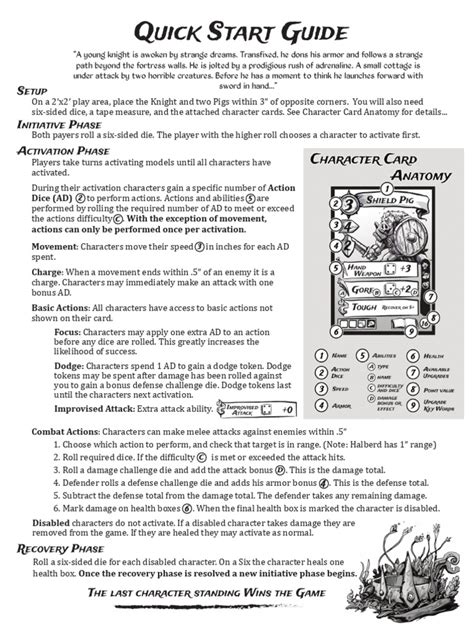
One of the most effective strategies is to introduce mechanics gradually. Bombarding new players with a comprehensive list of all rules, abilities, and systems upfront is overwhelming. Instead, adopt a philosophy of progressive revelation, where core mechanics are introduced first, and advanced layers are unveiled as the player demonstrates readiness or progresses through the game.
Contextual Learning and Interactive Tutorials
Integrate tutorials directly into gameplay rather than isolating them in separate menus. This means teaching mechanics as they become relevant. For example, introduce a ‘dodge’ mechanic just before the player encounters an enemy that requires dodging. Interactive elements, clear objectives, and immediate feedback during these tutorial segments are far more effective than static text boxes.
Unlocking Features and Abilities
Many games successfully use progression systems to gate advanced mechanics. A new class ability, a complex crafting system, or an additional strategic layer might only become available after a player reaches a certain level, completes specific quests, or clears an introductory zone. This allows players to master foundational skills before new challenges and tools are introduced.
Intuitive Design and Clear Feedback
Even the most complex systems can feel manageable if their interface and feedback mechanisms are clear and intuitive. Design choices play a critical role in making mechanics accessible.
Visual Language and UI/UX
Employ strong visual language. Icons, color-coding, and consistent UI layouts can communicate a wealth of information at a glance. For example, using red for damage, green for healing, or distinct icons for different status effects helps players quickly understand consequences. Tooltips and hover-overs can provide additional detail for curious players without cluttering the main display.

Immediate and Understandable Feedback
Players need to understand the outcome of their actions, both good and bad. Clear visual effects, sound cues, damage numbers, and concise text explanations (e.g., “Immune to Fire!”) help players connect their choices to in-game results. Ambiguous feedback can quickly lead to confusion and frustration, making a game feel arbitrarily difficult rather than strategically deep.
Providing a Safe Sandbox for Experimentation
Learning often involves trial and error. New players need a safe environment where they can experiment with mechanics without severe penalties. Early game zones with low-stake encounters, dedicated practice modes, or even a ‘reset’ option for critical decisions can encourage exploration and understanding.

Allowing players to discover synergies and nuances at their own pace builds confidence and reinforces learning, rather than punishing them for not knowing an obscure rule from the outset.
Maintaining Depth: The Illusion of Simplicity
The core of this approach is that simplification is a matter of presentation, not a reduction of the underlying game systems. A game can appear simple on the surface, with a high skill ceiling revealed through mastery. Think of games like Chess or Go: simple rules, profound depth.

Depth is maintained by:
- Emergent Gameplay: Simple rules interacting in complex ways to create unforeseen strategies.
- High Skill Ceilings: Opportunities for players to optimize, theory-craft, and develop advanced techniques.
- Hidden Nuances: Mechanics that are easy to understand on a basic level but reveal intricate details and interactions with deeper engagement.
Iterate, Test, and Observe
No design is perfect from the start. Rigorous playtesting, especially with players who are genuinely new to your game or genre, is indispensable. Observe where they get stuck, what confuses them, and what they intuitively understand. Use this feedback to refine your tutorials, UI, and the pacing of your mechanic introductions.

Conclusion
Simplifying complex game mechanics for new players without losing depth is a sophisticated art. It requires a thoughtful approach to progressive learning, clear and intuitive design, and continuous iteration based on player feedback. By guiding players through your game’s systems rather than overwhelming them, you can create a welcoming experience that fosters long-term engagement and allows the true depth of your design to shine for everyone.