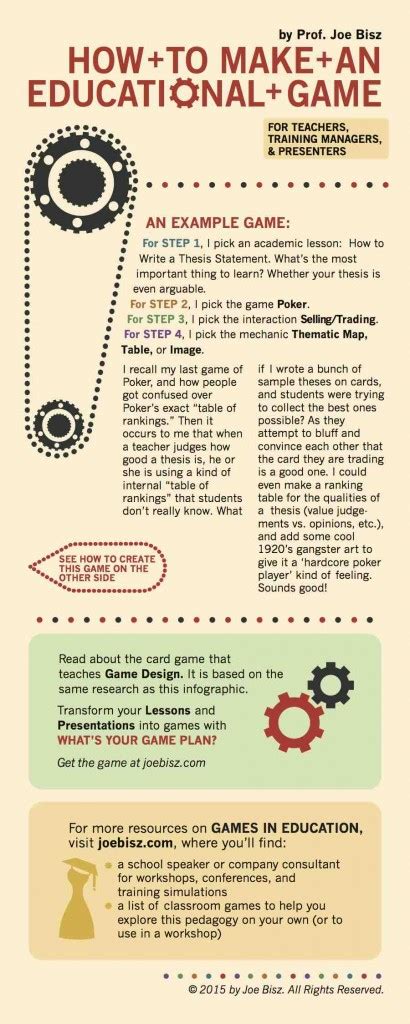
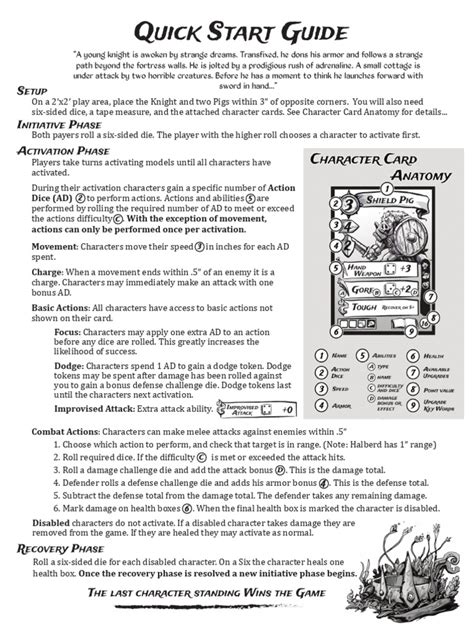
How do you simplify complex game mechanics for absolute beginners without oversimplifying?
Introducing absolute beginners to games with intricate systems can feel like teaching calculus before algebra. The challenge lies in making core concepts accessible without stripping away the strategic depth that defines the game. This guide explores effective strategies to onboard new players, ensuring they grasp fundamental mechanics while appreciating the underlying complexity.
Understand Your Audience’s Starting Point
Absolute beginners often come with no preconceived notions or genre experience. Assume they know nothing about common gaming tropes or UI conventions. Your first task is to identify the absolute minimum knowledge required to perform the most basic actions and understand immediate consequences.
Avoid jargon entirely or explain it immediately and clearly. Focus on the ‘what’ and ‘why’ before diving into the ‘how.’ What is this button for? Why does using this ability matter? This foundational understanding is crucial before layering on nuance.

Break It Down into Bite-Sized Chunks
Complex mechanics are rarely a single concept; they’re usually a series of interconnected smaller systems. Deconstruct these systems into their smallest, independent components. Introduce one component at a time, allowing the player to fully absorb it before moving to the next.
For example, instead of explaining an entire RPG combat system at once, start with ‘how to attack.’ Then, ‘how to use a basic ability.’ Then, ‘how to heal.’ Gradually introduce concepts like elemental weaknesses, status effects, and resource management.
Start with the “Why” and the “What” Before the “How”
Players are more likely to engage with a mechanic if they understand its purpose and impact. Before instructing them on *how* to perform an action, explain *why* they would want to do it and *what* effect it will have. Connect it directly to their immediate goals or challenges.
Instead of saying, “Press ‘R’ to reload your weapon,” explain, “Your weapon needs ammunition to fire. If you run out, you’ll be vulnerable. Press ‘R’ to reload and ensure you can keep fighting.” This provides context and motivates the action.

Use Analogies and Real-World Comparisons
Abstract game concepts can be made tangible through relatable analogies. Compare resource management to budgeting, unit types to rock-paper-scissors, or a crafting system to following a recipe. These comparisons leverage existing knowledge, making new information easier to process and recall.
Be careful not to stretch analogies too thin, but a well-chosen comparison can provide an instant mental shortcut for understanding an otherwise alien concept.

Implement Progressive Disclosure
This is perhaps the most critical technique for avoiding oversimplification while simplifying. Don’t dump all information on the player at once. Instead, introduce mechanics and their intricacies only as they become relevant or necessary for progression.
- Early Game: Focus on core movement, basic interaction, and immediate threats/rewards.
- Mid Game: Introduce more complex systems like crafting, advanced combat maneuvers, or resource gathering, often tied to new challenges.
- Late Game/Endgame: Reveal the deeper strategic layers, optional systems, and subtle optimizations that appeal to mastery.
Unlock skills, item slots, and UI elements gradually. This prevents overwhelming players and ensures they engage with systems when they have a practical reason to do so.

Visual Aids and Interactive Tutorials are Key
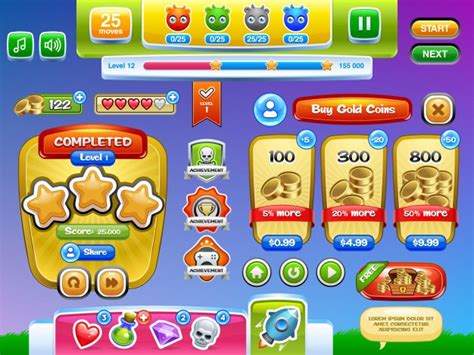
Show, don’t just tell. Use clear visual cues to highlight relevant UI elements, show animations of actions, and demonstrate outcomes. Integrated, interactive tutorials that guide players through actually *performing* an action are far more effective than text walls.
Context-sensitive tooltips that appear when hovering over an unfamiliar icon or stat, short video clips, or step-by-step guided practice can solidify understanding. These visual and interactive elements reduce cognitive load and cater to different learning styles.
Emphasize Practical Application and Immediate Feedback
Learning truly happens when players can immediately apply what they’ve learned and see the results. Design early game scenarios that specifically require the use of newly introduced mechanics. Provide clear, immediate feedback on their actions – whether they succeeded or failed, and why.
Positive reinforcement for correct actions and clear explanations for incorrect ones help players build intuition and confidence, encouraging them to experiment and delve deeper into the mechanics naturally.
Simplifying complex game mechanics for beginners is about careful curation and sequencing of information. It’s not about removing depth, but about revealing it strategically and incrementally. By understanding the beginner’s mindset, breaking down complexity, and leveraging effective teaching tools, you can transform intimidating systems into engaging journeys of discovery, fostering long-term player engagement.