How do you make a beginner game guide digestible for new players?

Introducing new players to a complex game can be daunting. A well-intentioned guide can quickly become an overwhelming wall of text, leaving beginners more confused than when they started. The key is to make your guide digestible, ensuring new players can grasp essential concepts without feeling swamped. This isn’t just about explaining rules; it’s about guiding them through their first steps with confidence and clarity.
Understand Your Audience: The True Beginner
Before you write a single word, put yourself in the shoes of someone who knows absolutely nothing about your game, or even the genre. Avoid making assumptions about their prior gaming experience or understanding of common terminology. Every concept, no matter how basic it seems to you, might be entirely new to them.
Focus on empathy. What are their likely first questions? What common pitfalls might they encounter? Tailor your language and explanations to address these points directly, as if you’re patiently teaching a friend.
Prioritize Clarity and Simplicity
The golden rule for beginner guides is to keep it simple. Use straightforward language and short sentences. Avoid technical jargon or acronyms unless you immediately define them in plain terms. If a concept is complex, break it down into its smallest, most understandable components.
Think of explaining complex game mechanics like teaching someone to ride a bike. You wouldn’t start with advanced stunts; you’d focus on balance, pedaling, and steering, one step at a time. Each paragraph should ideally convey one core idea.
Structure for Success: Break It Down
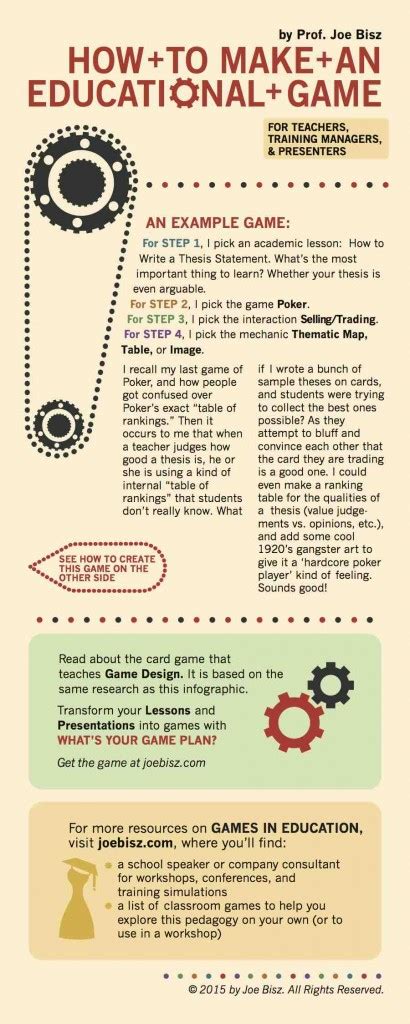
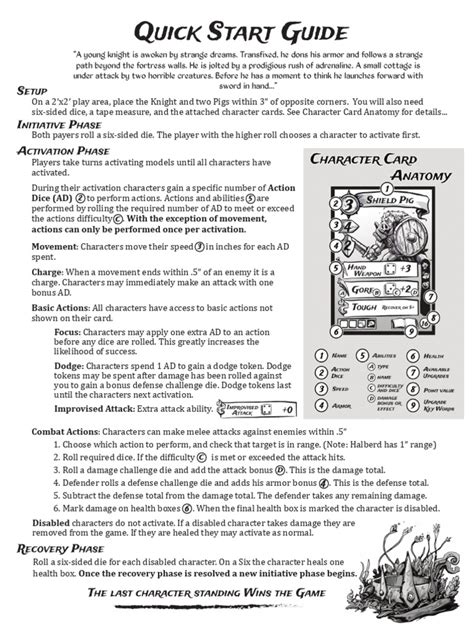
A wall of text is the enemy of digestibility. Utilize strong headings, subheadings, bullet points, and numbered lists to organize information logically. This not only makes the guide visually less intimidating but also allows players to quickly scan for the information they need.
Consider a logical progression: start with what players *need* to know to take their first action, then move to what they *should* know for basic play, and finally what’s *good* to know for advanced strategies. Each section should build upon the last, creating a clear learning path.

Leverage Visuals and Examples
Text alone is often insufficient. Visual aids are incredibly powerful for demonstrating game mechanics, user interfaces, and key locations. Screenshots, diagrams, flowcharts, or even short animated GIFs can convey information much more effectively than paragraphs of text.
When explaining a UI element, show a screenshot with the relevant part highlighted. When describing a combat sequence, illustrate it with a simple diagram or a sequence of images. Remember the adage: “show, don’t just tell.”

Focus on Core Mechanics First
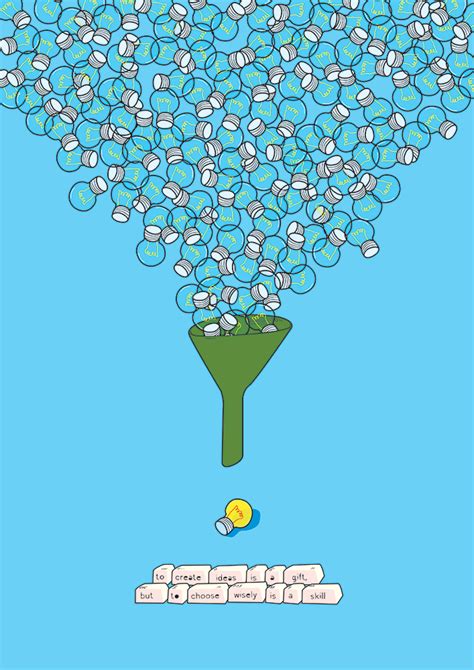
Resist the urge to dump every piece of information about your game into the beginner guide. New players don’t need to know every possible item drop, advanced character build, or obscure lore detail right away. Focus on the absolute core mechanics required to play the game and progress.
Introduce concepts progressively. Once a player understands basic movement and interaction, then you can introduce inventory management, then basic combat, and so on. Overloading them early on leads to frustration and disengagement.
Encourage Hands-On Learning
Reading a guide is one thing; applying the knowledge is another. If possible, design your guide to be read alongside actual gameplay. Suggest specific in-game areas or tutorials where players can immediately practice what they’ve just learned. Active participation solidifies understanding far more effectively than passive reading.
Refine Through Testing and Feedback
The best way to know if your guide is truly digestible is to have actual beginners test it. Observe them as they follow your guide without offering any additional help. Note where they get stuck, what questions they ask, and which sections they skip.
Gather their feedback and be open to critical suggestions. Iterate on your guide, simplifying confusing passages, adding missing explanations, and improving visuals based on real-world player experiences. This iterative process is crucial for creating a truly effective and beginner-friendly resource.

Conclusion
Creating a digestible game guide for new players is an art that blends clear communication with thoughtful design. By understanding your audience, prioritizing simplicity, structuring information logically, utilizing powerful visuals, focusing on core mechanics, and incorporating hands-on practice, you can transform a complex game into an accessible and enjoyable experience for everyone. A great beginner guide doesn’t just explain a game; it invites new players into its world with open arms and a clear path forward.