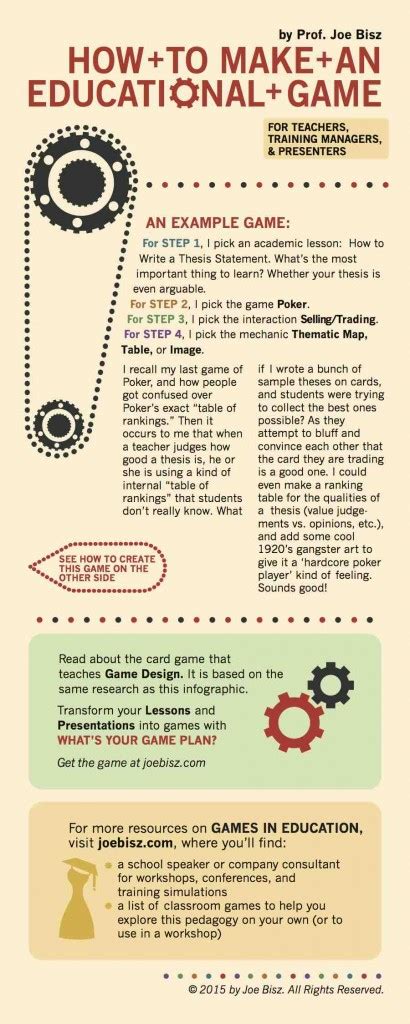
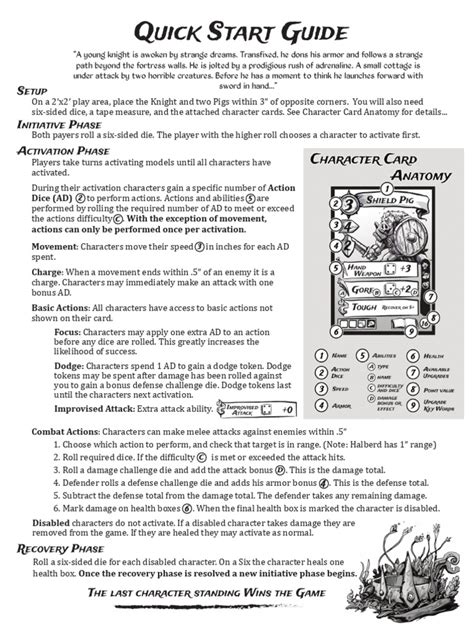
How do you craft an effective ‘getting started’ guide for a complex new game?
Navigating Complexity: The Art of the ‘Getting Started’ Guide
Launching a complex new game is an exciting endeavor, but it comes with a unique challenge: how do you introduce its intricate systems, deep mechanics, and rich lore without overwhelming new players? A well-crafted ‘getting started’ guide isn’t just a manual; it’s the player’s first welcoming hand, a critical bridge from confusion to comprehension, and ultimately, enjoyment. Its effectiveness directly impacts player retention and overall satisfaction. This guide will walk you through the key principles to design an onboarding experience that empowers players rather than intimidating them.
Understand Your Audience and Their Entry Point
Before you even begin drafting, deeply understand who your players are. Are they seasoned veterans of similar genres, or complete newcomers? What prior knowledge can you reasonably expect them to have? Identify the core concepts that differentiate your game and will likely be the biggest hurdles. Tailor the guide to address these specific pain points, starting with the absolute essentials required for initial engagement. Don’t assume anything; explain unique terminology and mechanics clearly from the ground up.
Embrace the Phased Learning Approach
Start Simple, Build Complexity
The cardinal rule for complex games is gradual introduction. Don’t dump all information at once. Break down the game’s systems into digestible, sequential modules. Begin with basic movement and interaction, then layer on combat, inventory, resource management, and more advanced strategies. Each new concept should build upon the last, allowing players to solidify their understanding before moving on.
Contextual Learning is Key
Abstract explanations often fall flat. Integrate your guide directly into the gameplay experience. Teach players mechanics as they encounter situations where those mechanics are relevant. For example, introduce crafting when they collect their first raw materials, or explain unit commands during their first skirmish. This contextual learning makes information immediately applicable and memorable.
Leverage Visuals and Interactivity
Show, Don’t Just Tell
A picture is worth a thousand words, and an interactive demonstration is worth a thousand pictures. Utilize clear, concise visual aids: animated UI prompts, highlighted elements, short video clips, or step-by-step screenshots. Show players exactly where to click, what to look for, and what the outcome of their actions will be. This reduces cognitive load and accelerates learning.
Hands-On Experience Matters
Passive reading won’t cut it. Your guide should be highly interactive, prompting players to perform actions immediately after learning about them. Implement mini-challenges, guided tasks, or even simple quick-time events that require players to use newly taught controls or mechanics. This active engagement reinforces learning and builds muscle memory.
Clarity, Conciseness, and Accessibility
Plain Language and Jargon Control
Avoid developer jargon and overly technical terms. When unique game-specific terms are unavoidable, introduce and define them clearly. Use simple, direct language that is easy to understand, regardless of the player’s background. Break down explanations into short paragraphs, bullet points, and numbered lists to improve readability.
Structured Information Delivery
Organize information logically. Use clear headings and subheadings to create a scannable structure. Players should be able to quickly find answers to specific questions without having to re-read the entire guide. Consider an in-game glossary or a ‘help’ section that can be accessed at any time.
![How To Delete Games On Nintendo Switch [The right way!] - Alvaro Trigo ...](/images/aHR0cHM6Ly90czIubW0uYmluZy5uZXQvdGg/aWQ9T0lQLkhBem5ncVI4Xzh1RlhBYjBXMEExRUFIYUV1JnBpZD0xNS4x.webp)
Build a Safety Net and Encourage Exploration
Sandbox or Training Zones
After the initial guided experience, offer a low-stakes environment where players can freely experiment without fear of failure. A dedicated training ground, a safe hub, or a short, replayable mission allows them to practice new skills, test different builds, and explore mechanics at their own pace. This builds confidence and encourages deeper engagement.
Feedback and Reinforcement
Provide immediate and constructive feedback for player actions. Celebrate successes with positive reinforcement and offer clear, helpful guidance for mistakes. This positive feedback loop encourages continued effort and prevents frustration. Consider optional tips or reminders that pop up if a player seems to be struggling with a particular concept.

Iterate and Test Relentlessly
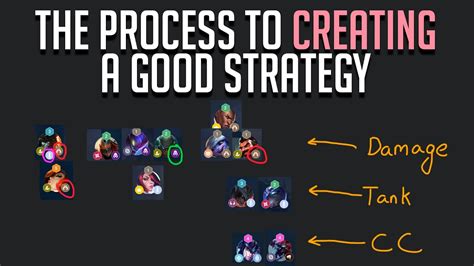
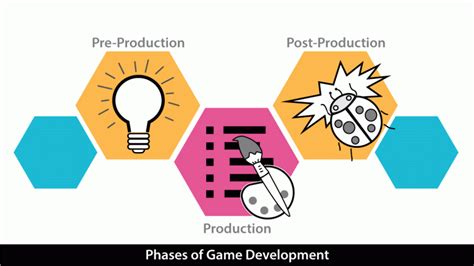
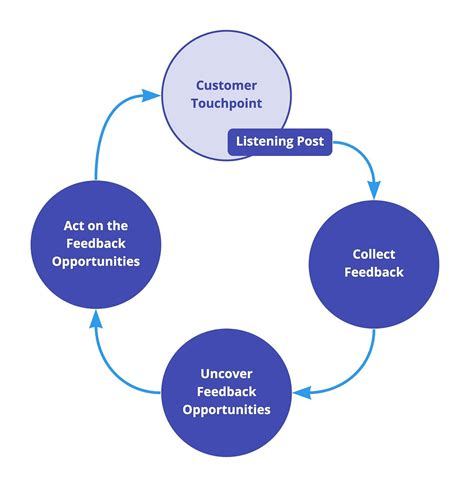
A ‘getting started’ guide is never truly finished. The most crucial step is rigorous playtesting with real players who have no prior knowledge of your game. Observe where they struggle, what they misunderstand, and where they get frustrated. Collect feedback through surveys, interviews, and direct observation. Use this invaluable data to refine, simplify, and clarify your guide until it flows seamlessly.
Even after launch, continue to monitor player behavior and feedback. Patches and content updates may introduce new mechanics that require additions or adjustments to your onboarding experience. A flexible and evolving guide ensures that new players always have the support they need to dive into your complex world.
Conclusion
Crafting an effective ‘getting started’ guide for a complex game is an art that blends instructional design with user experience. By understanding your audience, adopting a phased and contextual learning approach, leveraging visuals and interactivity, prioritizing clarity, and continuously iterating based on feedback, you can transform potential player frustration into genuine engagement. A great guide doesn’t just teach the game; it sets the stage for countless hours of enjoyable exploration and mastery, proving that complexity can indeed be inviting.