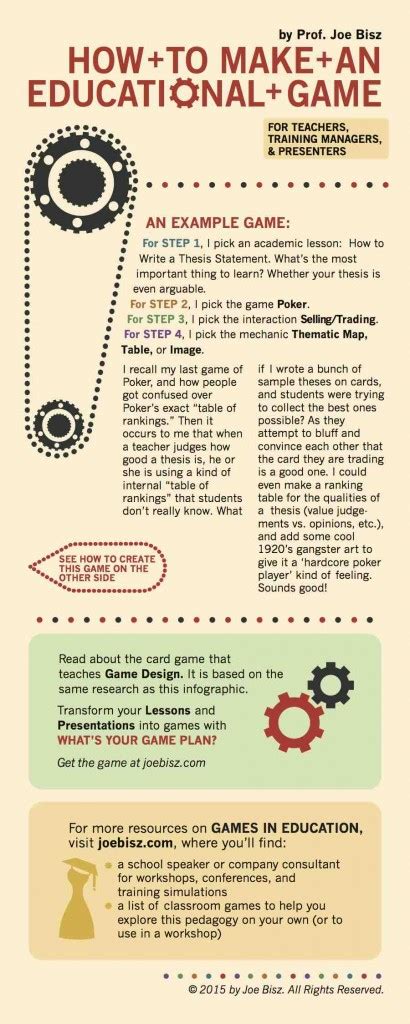
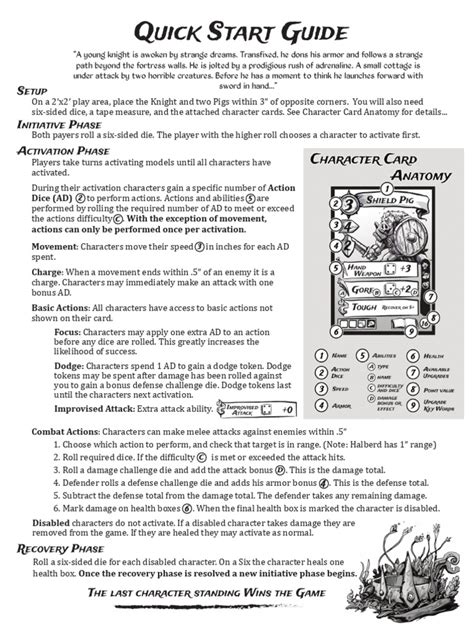
How do we make new player game guides prevent early frustration & boost retention?

The Critical Role of First Impressions in Gaming
For any game, the initial hours are make-or-break. New players are eager to explore, but they can quickly become overwhelmed or frustrated by complex mechanics, unclear objectives, or a lack of direction. This early frustration is a primary driver of player churn, making the new player experience – and specifically, the game guide or tutorial – a vital component for long-term retention. A well-designed guide doesn’t just teach; it engages, motivates, and builds confidence, transforming a potential quitter into a loyal fan.

Understanding the New Player Mindset
Before designing any guide, it’s essential to empathize with the new player. They arrive with curiosity but often no prior knowledge of your game’s unique systems. They are susceptible to:
- Information Overload: Too many concepts introduced too quickly.
- Fear of Failure: Hesitation to experiment due to perceived negative consequences.
- Lack of Context: Not understanding why a mechanic is important or how it fits into the broader game.
- Difficulty with UI/UX: Struggling to navigate menus or understand on-screen information.
A successful guide anticipates these challenges and provides clear, digestible solutions.
Core Principles for Effective Game Guides
1. Keep it Concise and Contextual (Just-in-Time Learning)
Avoid massive walls of text or lengthy video tutorials upfront. Instead, introduce mechanics precisely when the player needs to use them. Contextual prompts, tooltips, and short, interactive segments are far more effective than pre-game lectures. Focus on core loops first, then layer in advanced systems gradually.
2. Prioritize Interactive and Experiential Learning
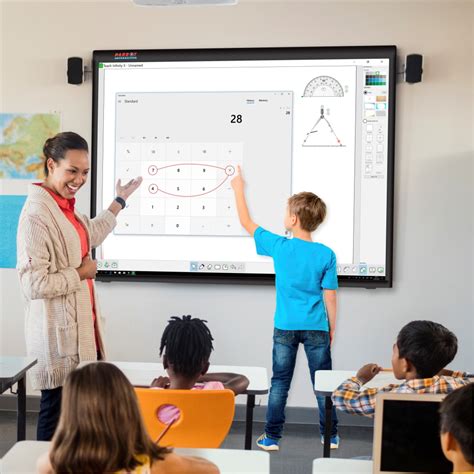
Players learn best by doing. Transform your guide into an interactive experience where players actively perform actions rather than just reading about them. Design mini-challenges or guided sequences that require them to use new abilities, navigate environments, or complete simple objectives. Provide immediate, clear feedback on their actions, reinforcing correct behavior and gently correcting mistakes.
3. Implement Progressive Difficulty and Pacing
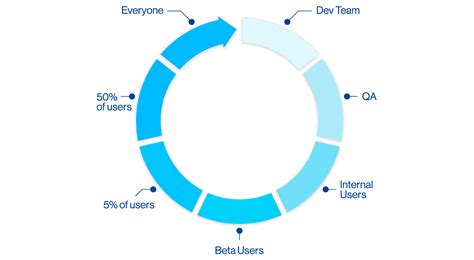
Don’t throw players into the deep end. Start with the absolute basics, ensuring mastery of each concept before moving on. Gradually increase complexity, allowing players to build a foundation of skills. A well-paced guide feels less like a chore and more like a natural progression of learning within the game world.
4. Provide Positive Reinforcement and Early Wins
Celebrate small victories! Acknowledge when a player successfully executes a new mechanic or completes a tutorial objective. Positive reinforcement builds confidence and encourages continued engagement. Design the early game to offer frequent, achievable goals that give players a sense of accomplishment.
5. Ensure Accessibility and Clarity in Communication
Use simple, unambiguous language. Avoid jargon where possible, or clearly explain it. Visual cues, highlighted UI elements, and intuitive iconography are invaluable. Consider different learning styles by offering visual, auditory, and kinesthetic guidance. Ensure text is readable and UI elements are clearly distinguishable.
Practical Strategies for Guide Implementation
In-Game Tutorials and Help Systems
Seamlessly integrate tutorials into the game world. This could be through:
- Embedded Walkthroughs: Missions or quests designed to teach mechanics.
- Dynamic Tooltips: Context-sensitive explanations that appear when hovering over or interacting with elements.
- Dedicated Help Menus: An easily accessible, searchable repository of information, often unlocked progressively.
- Skippable Options: Allow experienced players to bypass initial tutorials, but ensure crucial information is still available if they change their minds.

Leveraging External Resources
While in-game guides are paramount, external resources can supplement learning. Consider official game wikis, video tutorials, or community forums. Provide easy links to these resources within the game or on your official website. These are especially useful for advanced strategies, lore, or troubleshooting.
Continuous Improvement Through Testing and Feedback
The work doesn’t stop once a guide is implemented. Rigorous user testing with actual new players is crucial. Observe where they struggle, where they get lost, and where they excel. Gather feedback, analyze in-game analytics (e.g., tutorial completion rates, early player drop-off points), and iterate. Guides are living documents that should evolve with your game and its community’s needs.

Conclusion: A Welcoming Gateway to Your Game
Effective new player guides are more than just instructions; they are the welcoming committee, the patient teacher, and the early success story for your players. By focusing on clarity, interactivity, progressive learning, and positive reinforcement, developers can significantly reduce early frustration. This approach not only boosts retention but also cultivates a more engaged, satisfied, and long-lasting player base. Invest in your guides, and you invest in the future of your game.