How do I quickly determine if a game is truly age-appropriate for my child?

Decode Game Rating Systems
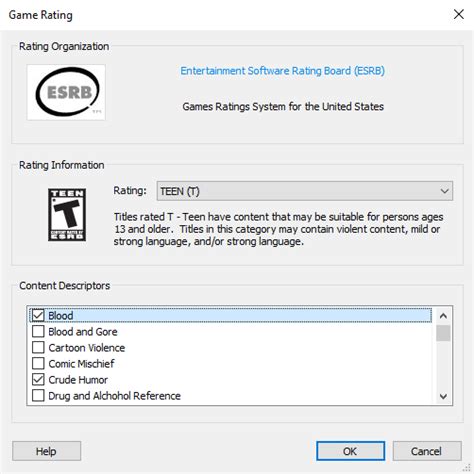
The most immediate and universal indicators of a game’s suitability are its official age rating labels. Organizations like the Entertainment Software Rating Board (ESRB) in North America, PEGI (Pan European Game Information) in Europe, and CERO in Japan provide clear guidance based on content descriptors such as violence, language, suggestive themes, and drug use. Always look for these prominent labels on game packaging or digital storefronts.
Understanding what each rating symbol (e.g., E for Everyone, T for Teen, M for Mature) and its accompanying content descriptors mean is your first line of defense. A quick glance at the back of a game box or a digital product page will reveal not just the age recommendation, but also specific reasons for that rating, giving you a snapshot of potential issues.
Watch Gameplay Videos and Trailers
Beyond static ratings, the best way to get a feel for a game’s actual content and tone is to watch it in action. Most games have official trailers and extensive gameplay videos available on platforms like YouTube or Twitch. Spend a few minutes observing the graphics, character interactions, dialogue, and overall atmosphere. Does it align with your comfort level and your child’s maturity?
Even a short two-to-three-minute trailer can give you significant insight. Pay attention to the types of challenges, the emotional tone, the presence of any jump scares, or intense situations. This visual assessment often reveals nuances that text-based descriptions might miss.

Consult Trusted Review Sites
Many websites specialize in reviewing games from a parental perspective. Sites like Common Sense Media are invaluable, offering detailed breakdowns of games’ educational value, positive messages, violence, language, and consumerism. They also provide age recommendations specifically tailored for parents, often differing slightly from official ratings based on deeper content analysis.
Look for parent reviews or dedicated sections on major gaming news sites that address family-friendliness. These often highlight aspects that might be concerning or particularly positive from a child development standpoint, offering a community-sourced perspective that complements official ratings.

Consider Your Child’s Unique Maturity and Sensitivity
While ratings and reviews offer general guidance, no one knows your child better than you do. A game rated ‘E for Everyone’ might still be too complex or too emotionally intense for a particularly sensitive young child, just as a ‘T for Teen’ game might be perfectly suitable for a mature pre-teen. Evaluate the game not just against external standards, but against your child’s specific temperament, fears, and developmental stage.
Open communication is key. Talk to your child about the games they are interested in. Ask them what they like about it, what they expect, and if they’ve seen any gameplay. This conversation can provide insights into their understanding and expectations, helping you gauge suitability.
The “Five-Minute Playtest” (If Possible)
If you have the opportunity, the quickest and most direct way to assess a game is to play it yourself for a few minutes. This hands-on experience allows you to directly witness the mechanics, difficulty, content, and pacing. You’ll immediately get a sense of whether it’s too violent, too complex, or features themes you’d rather your child avoid.
Even a brief playtest can reveal crucial details about how violence is portrayed, the type of language used, or the nature of its in-game purchases. It’s the ultimate way to feel the game’s ‘vibe’ and make an on-the-spot judgment.

Determining a game’s age-appropriateness doesn’t have to be an exhaustive process. By leveraging official rating systems, watching gameplay, consulting trusted reviews, considering your child’s individual maturity, and even performing a quick playtest, you can quickly and confidently ensure that their gaming experiences are both enjoyable and suitable for their age and development. Empower yourself with these tools to make smart, swift choices.