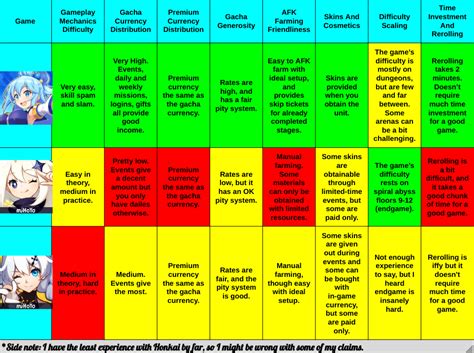
How do F2P players evaluate gacha value to avoid overspending?

Navigating the Gacha Landscape as a Free-to-Play Player
The allure of gacha games lies in the thrilling chance to acquire powerful characters, rare items, or coveted cosmetics. However, for free-to-play (F2P) players, this excitement comes with the critical challenge of maximizing value without opening their wallets. Effectively evaluating gacha value is an essential skill to ensure long-term enjoyment and avoid succumbing to the pressure to spend.
Understanding Gacha Mechanics and Their F2P Implications
Before any evaluation, an F2P player must first understand the underlying gacha mechanics. This includes drop rates, pity systems (guaranteed pulls after a certain number of failed attempts), limited-time banners, and the various currencies involved. Each of these elements influences the perceived value of a pull. High drop rates might seem appealing, but if the pool is diluted with irrelevant items, the actual value of a desired unit decreases. Conversely, a strong pity system offers a predictable path to acquisition, which F2P players can plan around.

For F2P players, in-game resources like free currency (gems, crystals, tickets) are finite and precious. Every pull represents an investment, and a misstep can set back progress significantly. Therefore, understanding the nuances of how these mechanics interact with their limited resources is paramount to making informed decisions.
Defining “Value” from an F2P Perspective
For paying players, value might be tied to instant gratification or collecting every new item. For F2P players, “value” is a much more pragmatic concept, often encompassing:
- Utility: Does the character/item significantly improve performance in core game modes, events, or future content?
- Longevity: Will this item remain relevant in the meta for a long time, or will it be quickly power-crept?
- Synergy: Does it enhance existing characters or fit into current team compositions without requiring further significant investment?
- Fun Factor: While less tangible, sometimes a character simply makes the game more enjoyable, even if not strictly optimal.
- Opportunity Cost: What other valuable units or items could be pulled with the same resources?

Strategic Evaluation Methods for F2P Players
1. Research and Community Insights
One of the most powerful tools for an F2P player is external research. Checking community forums, YouTube guides, and tier lists allows players to see how new units perform in practice. Expert opinions on future meta relevance, optimal builds, and potential synergies are invaluable for assessing an item’s true worth before committing resources.
2. Meta-Relevance and Future-Proofing
F2P players often prioritize units that are meta-defining or have strong future-proofing potential. This means analyzing if a unit solves a current game challenge, enables new strategies, or holds up well against anticipated future content. Avoiding units that are merely ‘good’ but not ‘great’ or easily replaceable is crucial.
3. Pity Tracking and Resource Budgeting
Meticulously tracking pity counts and knowing how many pulls are needed for a guaranteed unit is vital. F2P players often save their premium currency for specific, highly anticipated banners, ensuring they have enough resources to hit pity if necessary. This involves setting a strict budget for pulls and resisting the urge to pull on every new banner.

4. Cost-Benefit Analysis and Opportunity Cost
Every pull on one banner means not pulling on another. F2P players constantly perform a mental cost-benefit analysis. Is this character so good that it’s worth skipping the next two potential banners? Or is it better to save for a more impactful unit down the line, even if it means missing out on a current release? This long-term perspective is key.
Avoiding Psychological Traps
Gacha games are designed to encourage spending, and F2P players must be acutely aware of psychological tactics like FOMO (Fear Of Missing Out), the sunk cost fallacy (feeling compelled to spend more after initial investment), and the gambler’s fallacy (believing a win is ‘due’). Recognizing these traps helps F2P players make rational decisions rather than impulsive ones.
Practical Tips for Sustainable F2P Gacha Play
- Set Clear Goals: Decide which types of characters or items you truly need for your desired playstyle.
- Save Aggressively: Resist the urge to do single pulls; save for 10-pulls or enough for a guaranteed pity.
- Skip Banners: Not every new character is a must-have. Be comfortable skipping banners that don’t align with your goals.
- Utilize Freebies: Maximize all free in-game currency from events, daily quests, and login bonuses.
- Test Drive: If possible, try out new units through friend supports or trial stages before deciding to pull.
Conclusion
For free-to-play players, evaluating gacha value is less about luck and more about strategy, discipline, and informed decision-making. By understanding gacha mechanics, defining personal value, utilizing community resources, and avoiding psychological pitfalls, F2P players can enjoy the full depth of gacha games without ever feeling the pressure to overspend. It’s a testament to smart resource management and a deep understanding of game systems.