How do beginner game guides introduce core mechanics effectively, avoiding overload?

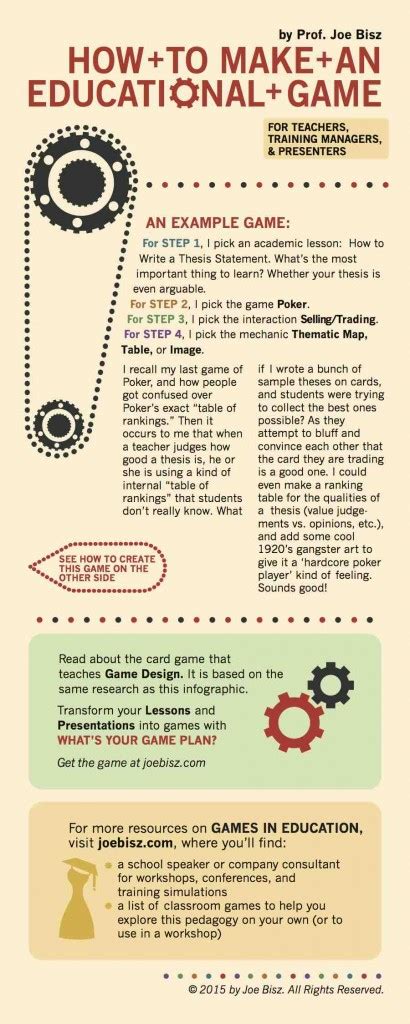
Onboarding new players to a complex game can be a tightrope walk. Developers and guide creators face the challenge of teaching essential mechanics without deluging beginners with too much information too soon. The most effective beginner guides employ a strategic blend of pacing, contextual learning, and clear communication to ensure players grasp the fundamentals, build confidence, and ultimately enjoy the game.
The Art of Gradual Revelation
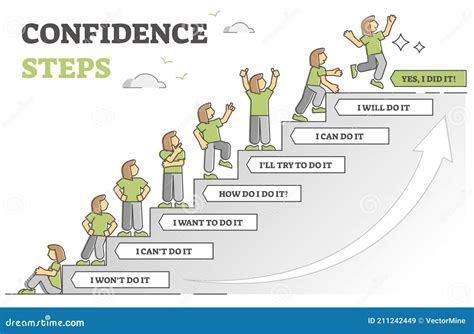
One of the most critical techniques is the gradual introduction of mechanics. Instead of presenting a massive tutorial that covers everything upfront, effective guides drip-feed information as it becomes relevant. This often manifests in dedicated tutorial levels that isolate a single mechanic, or through early-game challenges that naturally require the use of specific abilities. By focusing on one or two concepts at a time, players can internalize them before new layers of complexity are added. This phased approach prevents cognitive overload and builds a foundational understanding step by step.
Contextual Learning and Hands-On Experience
Learning by doing is far more effective than passive reading or watching. Beginner guides excel when they integrate learning directly into gameplay. This means players are encouraged to immediately apply what they’ve learned, often through guided scenarios or immediate mini-challenges. For example, a guide might introduce the ‘jump’ mechanic right before a small chasm, or explain ‘target lock’ just before the first enemy encounter. This contextual application makes the mechanic’s purpose clear and helps players build muscle memory, embedding the knowledge more deeply than theoretical explanations ever could.

Clear Communication and Visual Reinforcement
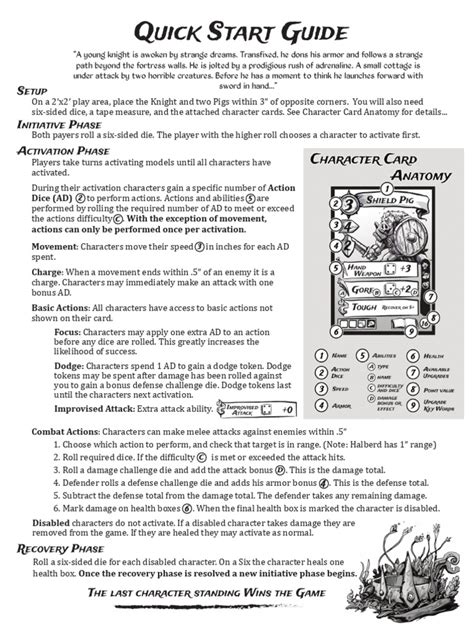
Simplifying complex ideas is paramount. Effective guides use plain, concise language, avoiding jargon whenever possible. When technical terms are necessary, they are explained clearly. Visual aids play a huge role here: on-screen prompts, highlighted UI elements, descriptive icons, and short demonstrative GIFs or videos can convey information far more efficiently than text alone. These visual cues draw attention to relevant elements and reduce the mental effort required to understand new concepts, making the learning process intuitive and less intimidating.

Iterative Practice and Skill Progression
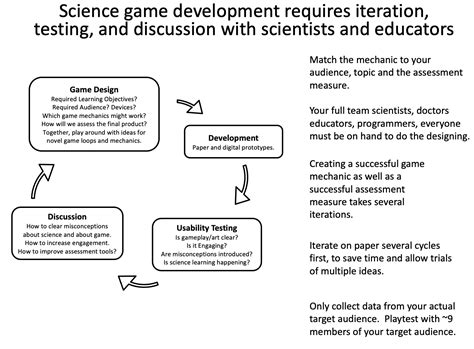
Mastering core mechanics requires practice. Beginner guides often incorporate opportunities for iterative practice, allowing players to refine their skills in low-stakes environments. This could be through recurring enemy types that reinforce combat fundamentals, simple puzzles that reiterate environmental interaction, or dedicated training zones. By gradually increasing the difficulty and complexity of scenarios where a mechanic is used, guides help players progress from basic competence to confident execution, reinforcing learning without feeling like a chore.
Avoiding Information Overload: The “Less is More” Principle
Crucially, successful guides know what not to include at the beginning. They focus only on the absolutely essential mechanics required to progress through the initial stages of the game. Advanced strategies, niche abilities, or detailed lore are deferred until later, when the player has a solid grasp of the basics. This “less is more” approach ensures that players aren’t overwhelmed by an avalanche of data, allowing them to discover deeper layers of the game at their own pace and preventing early-game frustration that can lead to player abandonment.

Conclusion
Introducing core mechanics effectively to beginner players is an art form that balances thoroughness with simplicity. By embracing gradual revelation, contextual hands-on learning, clear communication supported by strong visuals, opportunities for iterative practice, and a strict adherence to the “less is more” principle, game guides can successfully transform novices into capable players, ensuring a positive and engaging introduction to new gaming worlds.