How do beginner game guides best balance quick wins with deeper strategic learning?

The Dual Challenge of Beginner Game Guides
Creating a game guide for beginners is an art form, demanding a delicate balance between immediate gratification and long-term skill development. New players crave quick wins to feel competent and engaged, preventing frustration and early abandonment. Simultaneously, a truly effective guide must lay the groundwork for deeper strategic understanding, ensuring players can progress beyond the initial hurdles and genuinely master the game.
Achieving this equilibrium is crucial for retaining new players and fostering a thriving community. Without quick wins, players might give up. Without strategic depth, they might hit a wall later on, leading to frustration and disinterest. So, how can guides best navigate this challenge?

Prioritizing Quick Wins: Immediate Engagement and Motivation
Quick wins are the hooks that keep new players invested. These are typically simple, actionable steps that yield immediate, tangible rewards. For a game guide, this means:
- Early Success Missions: Highlight easy-to-achieve objectives in the first few hours of gameplay. This could be completing a simple quest, defeating a weak enemy, or crafting a basic item.
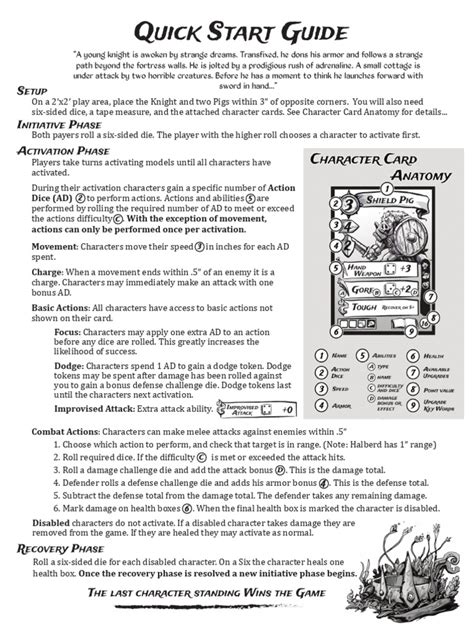
- Streamlined First Steps: Provide clear, concise instructions for setup, character creation, and the very first interactions, minimizing overwhelm.
- Highlighting Low-Effort Gains: Point out early game mechanics that offer disproportionately high rewards for minimal effort, giving players a sense of power and progress.
- Visual Cues and Feedback: Guides can emphasize how the game itself provides positive feedback for these early accomplishments, reinforcing the feeling of success.
The goal here is to build confidence and establish a positive feedback loop. Players who feel successful early on are more likely to invest time in learning more complex aspects of the game.

Integrating Deeper Strategic Learning: Building Foundational Skills
While quick wins are vital for initial engagement, deeper strategic learning ensures longevity. This involves teaching players the underlying mechanics, decision-making processes, and long-term planning required for mastery. Effective guides weave this in by:
- Layered Information: Introduce core concepts and advanced strategies gradually. Don’t dump all information at once. Start with the ‘what’ and ‘how,’ then move to the ‘why.’
- Explaining Mechanics, Not Just Outcomes: Instead of just saying ‘use ability X to defeat enemy Y,’ explain *why* ability X is effective against enemy Y (e.g., elemental weakness, crowd control). This builds understanding applicable to other scenarios.
- Decision-Making Frameworks: Guide players through common strategic choices. For instance, in an RPG, instead of just suggesting a build, discuss the pros and cons of different stats or skill allocations based on playstyle.
- Conceptual Overviews: Offer sections dedicated to explaining the game’s economy, combat system, progression paths, or faction relationships, providing a mental model for players.
- Encouraging Experimentation: Frame advanced concepts as opportunities for players to experiment and discover their own optimal strategies, rather than prescriptive instructions.
Strategic learning transforms players from button-mashers into thoughtful decision-makers, capable of adapting to new challenges the game throws at them.
The Art of Balance: Weaving Them Together
The magic happens when quick wins and strategic learning are intertwined, not treated as separate entities. Here are practical approaches:
- ‘Do This, Then Understand Why’: Present a quick win (e.g., ‘Level up your starter weapon quickly by farming these enemies’) and immediately follow it with a brief explanation of the underlying system (e.g., ‘This early grind is efficient because these enemies drop common upgrade materials, which you’ll need for more advanced gear later on.’).
- Contextualized Strategy: When describing a quick win, hint at its strategic implications. For example, ‘Complete the tutorial quest for 100 gold – this is important for your first gear upgrade, which will significantly boost your early combat effectiveness.’
- Progressive Revelation: Structure the guide so that initial sections focus heavily on quick wins and basic mechanics, with subsequent sections delving deeper into optimization, advanced tactics, and long-term planning. Use ‘Pro Tips’ or ‘Advanced Strategy’ callouts sparingly in early sections to pique interest without overwhelming.
- Problem-Solution Scenarios: Present common early game problems that a beginner might face, offer a quick win solution, and then explain the strategic principle behind it. For example, ‘Struggling with boss X? Try equipping the fire immunity potion (quick win). This works because boss X’s primary attack is fire-based, illustrating the importance of elemental resistances in combat (strategic learning).’
By constantly connecting immediate actions to broader game systems, guides can train players to think strategically from the outset, without sacrificing the vital initial sense of accomplishment.

Conclusion: Cultivating Mastery from the First Click
A truly exceptional beginner game guide empowers players from their very first interaction. It understands that immediate success is the fuel for sustained engagement, while a solid foundation in strategic thinking is the bedrock for true mastery. By thoughtfully blending quick, actionable wins with digestible explanations of underlying mechanics and strategic principles, guides can transform tentative newcomers into confident, skilled players ready to tackle any challenge the game presents. The goal isn’t just to tell them what to do, but to teach them how to think like a master, one satisfying success at a time.