How can players consistently identify *quality* indie hidden gems, avoiding bad buys?
The Vast World of Indie Gaming: A Treasure Hunt
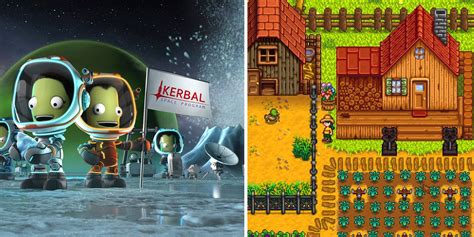
The indie game landscape is a double-edged sword: a boundless source of innovation, creativity, and unique experiences, but also a dense jungle where true gems can be buried under a mountain of lesser titles. For every Stardew Valley or Hollow Knight, there are countless games that might not live up to their promise, leaving players with buyer’s remorse. So, how can discerning players consistently unearth quality indie hidden gems while skillfully sidestepping the bad buys?
Leveraging Community and Curated Sources
One of the most powerful tools in your arsenal is the collective wisdom of the gaming community. You don’t have to venture into the unknown alone:
- Reputable Reviewers & Critics: While mainstream critics might focus on AAA titles, many niche outlets and independent journalists specialize in indie games. Seek out their recommendations. Look for reviewers whose tastes align with yours.
- Steam Curators & Itch.io Collections: Platforms like Steam offer robust curator systems where individuals or groups recommend games based on specific criteria. Find curators you trust, often those with a clear focus (e.g., ‘Roguelikes only,’ ‘Narrative-driven indies’). Itch.io also features curated bundles and developer-made collections that highlight quality.
- YouTube & Twitch: Many content creators dedicate themselves to showcasing and reviewing indie games. Watching gameplay can be far more informative than screenshots or even trailers, especially for understanding mechanics and overall feel. Look for ‘No Commentary’ gameplay or in-depth analysis channels.
- Discord Servers & Forums: Join communities dedicated to indie gaming or specific genres you enjoy. These vibrant spaces are often where true hidden gems are first discovered and discussed by passionate players.
Connecting with Developers
Following developers on social media (Twitter, Mastodon) or joining their Discord servers can provide early insights into a game’s development, transparency, and the passion behind it. Active, responsive developers who engage with their community are often a good sign.

Deep Dive Before You Buy: Pre-Purchase Diligence
Before hitting that ‘purchase’ button, do your homework. A few minutes of research can save you hours of regret:
- Watch Raw Gameplay Trailers & Demos: Don’t just rely on flashy cinematic trailers. Look for videos that showcase actual gameplay, UI, and mechanics. Even better, play the demo! Many indie games offer a free demo, allowing you to get a real feel for the game without commitment.
- Read Diverse Reviews (User & Critic): Don’t just skim the overall score. Read both positive and negative reviews to understand common praises and complaints. Look for specific, detailed feedback rather than vague statements. Pay attention to recent reviews, as games can evolve significantly over time.
- Examine Developer Track Record: Has the developer released other games? Were they well-received? Do they have a history of abandoning projects or delivering on promises? This can be a strong indicator of future reliability.
- Early Access Caution: Early Access can be a fantastic way to support developers, but it’s also a gamble. Check if the game is already enjoyable in its current state, if there’s a clear roadmap, and if the developers are consistently updating and communicating with the community.

Identifying Red Flags and Green Lights
Training your eye to spot warning signs and promising indicators can dramatically improve your success rate:
Red Flags:
- Generic Art & Asset Flips: If the game looks like it uses stock assets without any unique art direction, it might lack a distinct identity or polish.
- Vague Descriptions & Overly Ambitious Promises: Be wary of games that promise the moon without concrete gameplay details or a clear vision.
- Poor Performance in Trailers/Demos: Frame rate drops, obvious bugs, or janky animations in official footage are rarely a good sign.
- Lack of Developer Interaction: A dev team that’s silent on social media or unresponsive to community feedback might not be equipped to handle post-launch support.
- Review Bombing without Context: While not always indicative of a bad game, look into why a game might be review-bombed. Sometimes it’s legitimate criticism, other times it’s external factors.
Green Lights:
- Unique Concepts & Mechanics: Does the game offer a fresh take on a genre or an entirely new idea?
- Strong Art Direction & Sound Design: Even with simple graphics, a cohesive and intentional art style, paired with good audio, can elevate a game significantly.
- Polish in Small Details: Pay attention to animations, UI/UX, and responsiveness. These often indicate a developer’s attention to detail and commitment to quality.
- Positive Buzz from Trusted Sources: If multiple sources you trust are praising a game for specific, tangible reasons, it’s likely worth investigating further.
- Engaged & Transparent Development: As mentioned, active developers who clearly communicate their vision and progress are often a good sign.

Personalizing Your Search: Know Thyself
Ultimately, ‘quality’ is subjective. Understanding your own preferences is key:
- Identify Your Preferred Genres & Styles: Use tags on platforms like Steam and Itch.io to filter games that align with your tastes.
- Track Your Playtime: What indie games have you loved in the past? What made them great? Understanding your patterns can guide future discoveries.
- Don’t Be Afraid to Experiment (Responsibly): While caution is good, some of the best hidden gems defy categorization. Occasionally step outside your comfort zone, but perhaps with a demo first.
Conclusion: A Rewarding Journey
Discovering quality indie hidden gems is a rewarding journey that enriches your gaming experience with fresh perspectives and innovative gameplay. By combining community insights, thorough pre-purchase diligence, an awareness of development red flags, and a clear understanding of your own preferences, you can significantly increase your chances of finding those truly special titles. Embrace the hunt, be discerning, and enjoy the endless creativity the indie scene has to offer.