How can our game beginner guides best simplify complex mechanics for new players?

Understanding the Challenge of Complex Game Mechanics
Modern video games often boast intricate systems, deep strategic layers, and multi-faceted mechanics that contribute to their richness and replayability. However, for a new player just diving in, these very elements can present an overwhelming barrier to entry. A poorly designed beginner experience can quickly lead to frustration, disengagement, and ultimately, player attrition. The primary goal of any effective beginner guide is to bridge this gap, transforming a daunting learning curve into an engaging onboarding journey.
The key isn’t to dumb down the game, but rather to illuminate its complexities in an accessible, digestible manner. This means understanding where new players struggle, what information overload feels like, and how to present crucial concepts without overwhelming them. It’s about building a foundational understanding step by step, allowing players to feel competent and encouraged to explore deeper.

Strategies for Effective Simplification
Simplifying complex mechanics isn’t a one-size-fits-all solution; it requires a multi-faceted approach. Here are several proven strategies that beginner guides can employ:
1. Progressive Disclosure and Layered Learning
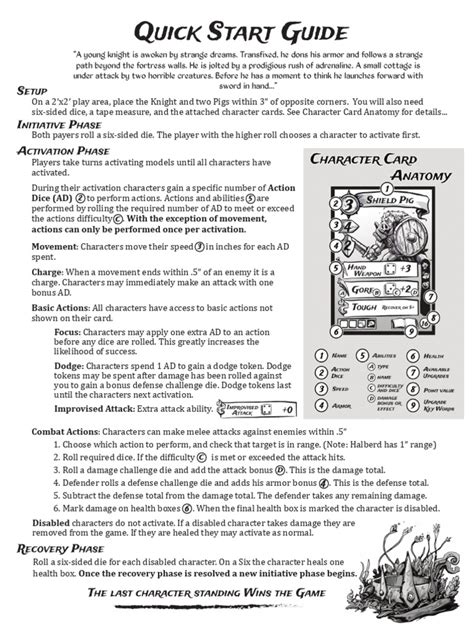
Instead of front-loading all information, introduce mechanics gradually. Start with the absolute essentials needed to perform basic actions and progress. As players demonstrate mastery of initial concepts, introduce new layers of complexity. For instance, in an RPG, teach basic attack and movement before introducing advanced skill trees, equipment stats, or crafting systems.
2. Visual Aids and Contextual Examples
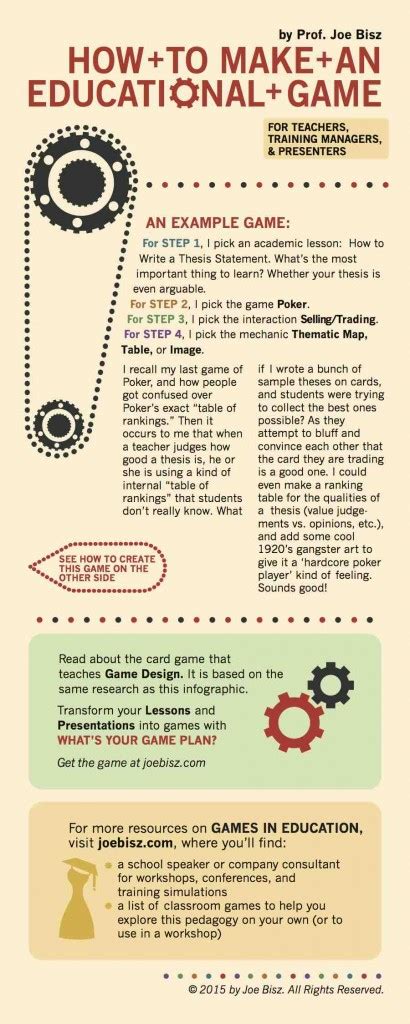
Text-heavy explanations can be tedious. Incorporate diagrams, infographics, short video clips, or animated GIFs that demonstrate how mechanics work in real-time. Showing is often more effective than telling. Additionally, provide concrete, in-game examples of how a mechanic impacts gameplay, rather than just abstract definitions. For example, illustrate how a specific stat affects damage output or how a combination of abilities interacts.
3. Interactive Tutorials and Sandbox Environments
Allow players to learn by doing. Integrated interactive tutorials that guide players through specific actions or scenarios are invaluable. A sandbox or training area where players can experiment with mechanics without pressure allows for hands-on learning. This active engagement helps solidify understanding far better than passive reading. Provide clear objectives and immediate feedback to reinforce correct actions.
4. Analogies and Metaphors
Relate complex game concepts to real-world experiences or simpler, more familiar ideas. For example, explain a resource management system using an analogy of managing a household budget, or a character class as a specific role in a team sport. These comparisons can provide an instant cognitive hook, making abstract ideas more concrete.

Best Practices for Guide Creation and Delivery
1. Clear, Concise, and Accessible Language
Avoid jargon wherever possible, or define it clearly upon its first use. Use straightforward sentences and avoid overly technical explanations. The language should be encouraging and supportive, not condescending. Consider localization for a global audience, ensuring clarity across different linguistic contexts.
2. Pacing and Chunking Information
Break down information into small, manageable “chunks.” Each section or paragraph should ideally focus on one core idea. Use headings, bullet points, and short paragraphs to improve readability and prevent information overload. Allow players to progress at their own pace, offering opportunities to revisit or skip sections as needed.
![🔥 [90+] Clear Wallpapers for Desktop | WallpaperSafari](/images/aHR0cHM6Ly90czQubW0uYmluZy5uZXQvdGg/aWQ9T0lQLnhfRTdaMjlwdnB2T1pjanNweDFLeFFIYUV0JnBpZD0xNS4x.webp)
3. Provide Context and Explain “Why”
Don’t just explain “how” a mechanic works, but also “why” it’s important. Understanding the purpose or strategic value of a mechanic motivates players to learn it. For example, explaining that ‘flanking’ an enemy reduces their defense explains the tactical advantage, rather than just stating that flanking is an option.
4. User Testing and Iteration
The most crucial step is to test your guides with actual new players. Observe where they get stuck, what confuses them, and what questions they frequently ask. Use this feedback to refine and iterate on the guide until it effectively serves its purpose. A guide is never truly “finished” until it has proven its effectiveness in the hands of its target audience.
Conclusion
Effectively simplifying complex game mechanics for new players is an art that blends instructional design with an understanding of player psychology. By embracing progressive disclosure, leveraging powerful visuals, providing interactive learning opportunities, and continually refining guides through user feedback, we can transform potentially daunting systems into engaging challenges. A well-crafted beginner guide doesn’t just teach the game; it cultivates curiosity, builds confidence, and fosters a lifelong love for the experience, ensuring that every player has the best possible start to their adventure.