How can I identify truly F2P-friendly games versus predatory gacha traps?

Navigating the F2P Landscape: Separating Gold from Gacha Traps
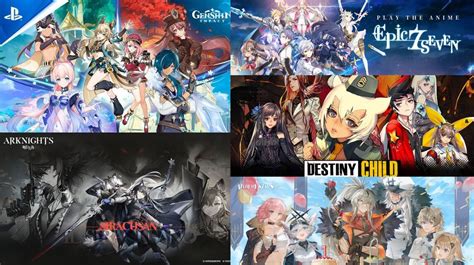
The allure of “free-to-play” games is undeniable. Offering instant access to vast virtual worlds and engaging mechanics, they’ve become a dominant force in the gaming industry, especially on mobile platforms. However, this seemingly generous model often hides a more complex reality. For every game that truly respects its non-paying players, there are others meticulously crafted to extract maximum revenue through manipulative “gacha” mechanics. Identifying the difference is crucial for an enjoyable and financially responsible gaming experience.

What Defines a Truly F2P-Friendly Game?
A genuinely F2P-friendly game prioritizes player experience, regardless of spending habits. While monetization is necessary for development and maintenance, it should never feel mandatory to progress or enjoy the core content. Key indicators include:
- Full Content Accessibility: All major story arcs, gameplay modes, and characters/units (even if grindy) should be obtainable without spending real money. Monetization should focus on accelerating progress or offering cosmetic enhancements.
- Reasonable Progression Speed: Free players should be able to make meaningful progress at a steady, enjoyable pace. The grind might be longer than for payers, but it shouldn’t feel punitive, designed solely to push you towards purchases.
- Generous In-Game Economy: The game provides ample opportunities to earn premium currency through gameplay, events, achievements, and daily rewards. This allows F2P players to participate in gacha pulls or unlock desirable items periodically.
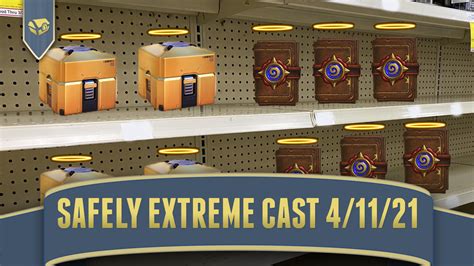
- Fair Gacha Rates (If Present): If a gacha system exists, the rates for desirable items should be clearly disclosed and not astronomically low. Crucially, a “pity” system or guaranteed pulls after a certain number of attempts is often a sign of a fairer system, ensuring that luck isn’t the only factor.
- Monetization Focus on Cosmetics & Convenience: The primary monetization should be for purely aesthetic items (skins, emotes, housing decorations) or quality-of-life improvements (extra inventory slots, faster crafting) that don’t directly impact competitive advantage.

Red Flags: Spotting Predatory Gacha Traps
On the flip side, predatory gacha games are designed to leverage psychological triggers to encourage spending, often creating a sense of urgency, scarcity, or inadequacy in non-paying players. Be wary of:
- Aggressive Pay-to-Win Mechanics: If competitive success or even basic progression feels impossible without acquiring the strongest characters/items exclusively through costly gacha pulls or direct purchases, it’s a major red flag.
- Excessive Energy/Stamina Systems: Systems that severely limit playtime unless you pay to refill energy, creating artificial bottlenecks and forcing players to either wait or pay.
- Time-Gated Content & FOMO (Fear of Missing Out): Limited-time events, character banners, or battle passes that offer significant advantages or unique items, pushing players to spend before they disappear. This often preys on impulse.
- Obscured or Misleading Gacha Rates: Games that don’t clearly display gacha rates, or present them in a confusing manner, are suspect. Very low rates combined with expensive pulls without a strong pity system are a sign of trouble.
- Constant Pop-ups & Sales Pitches: Aggressive in-game advertising, constant notifications about new bundles, or pop-ups that interrupt gameplay to push sales.
- Mandatory Microtransactions for Basic QoL: Features that should be standard (e.g., sufficient inventory space, basic auto-play functions) are locked behind purchases.

How to Evaluate a Game Before You Commit
Before investing significant time (and potentially money) into a new F2P game, take a proactive approach to evaluation:
- Read Reviews and Community Feedback: Check app store reviews, dedicated gaming websites, YouTube channels, and subreddits. Pay close attention to what long-term players are saying about monetization, progression, and developer communication. Look for consistent complaints about P2W or unfair mechanics.
- Examine the In-Game Shop: Browse the shop early on. What is being sold? Are they cosmetics, convenience items, or direct power increases? How expensive are premium currencies? Are there an overwhelming number of “limited-time” offers?
- Play Through the Early Game: Spend the first few hours playing without making any purchases. How does progression feel? Are you constantly running into walls that suggest spending money? Does the game respect your time?
- Check for Rate Disclosures: If there’s a gacha system, find the rate disclosure (often in settings, an “i” icon, or terms and conditions). Understand what your chances are and if there’s a pity system.
- Observe Developer Engagement: Are developers transparent about updates, changes, and future plans? Do they address player concerns about monetization, or do they ignore them? A good developer fosters a healthy player-developer relationship.
Empowering Your F2P Choices
The free-to-play model isn’t inherently bad, but it requires educated consumers. By understanding the hallmarks of a fair system and recognizing the red flags of predatory practices, you can make informed decisions about which games deserve your time and, if you choose, your money. Your vigilance helps support developers who prioritize player experience and pushes the industry towards more ethical monetization practices. Play smart, not just free.