How can I find truly age-appropriate games for my child, beyond ESRB ratings?

Navigating the Digital Playground: Beyond ESRB Ratings
In today’s digital age, video games are an undeniable part of many children’s lives. While the ESRB (Entertainment Software Rating Board) offers a crucial first line of defense, providing ratings like E for Everyone, T for Teen, or M for Mature, many parents find these labels don’t always capture the full picture of a game’s appropriateness. A ‘T’ rated game, for instance, might be suitable for one 13-year-old but entirely too complex or emotionally intense for another. So, how can parents make truly informed decisions that go beyond a simple letter grade?

The Limitations of Content Descriptors
The ESRB system primarily focuses on content descriptors, flagging elements such as violence, language, drug use, or suggestive themes. While invaluable for identifying overt objectionable material, it often overlooks nuanced aspects crucial for developmental appropriateness. It doesn’t assess the cognitive load of a game, the complexity of its narrative, the emotional impact of its themes, or the potential for addictive gameplay loops.
For example, a puzzle game rated ‘E’ might require advanced spatial reasoning that frustrates a younger child, while a ‘T’ rated game with minimal violence could present mature ethical dilemmas better suited for an older teen. These are considerations that the ESRB, by design, isn’t equipped to address fully.
Know Your Child: More Than Just an Age Number
The most critical tool in finding truly age-appropriate games is a deep understanding of your own child. Children develop at different rates, and their cognitive and emotional maturity can vary significantly even within the same age group. Consider these factors:
- Cognitive Development: Can your child grasp complex rules, abstract concepts, and multi-step problem-solving? Or do they thrive with simpler objectives and clear immediate feedback?
- Emotional Sensitivity: How does your child react to suspense, mild scares, or themes of loss and conflict? Some children are more prone to anxiety or nightmares, making even mild tension inappropriate.
- Personality and Interests: Is your child competitive or cooperative? Do they prefer creative expression, exploration, or fast-paced action? Aligning games with their natural inclinations can enhance enjoyment and engagement.

Beyond the Surface: Analyzing Game Mechanics and Themes
Once you understand your child, delve deeper into the games themselves. Look beyond the rating and consider:
- Gameplay Complexity: Are the controls intuitive or intricate? Does the game require quick reflexes and split-second decisions, or does it encourage slow, thoughtful exploration?
- Narrative Themes: What underlying messages or ethical questions does the game explore? Are there subtle themes of manipulation, loss, or moral ambiguity that might be confusing or disturbing for your child?
- Social Interaction: If it’s an online multiplayer game, what is the community like? Is it known for toxicity, or does it foster positive, collaborative play? Are there appropriate communication controls?
- Time Commitment and Addiction Potential: Does the game feature ‘grinding’ mechanics, daily login bonuses, or loot boxes designed to encourage prolonged play or spending? How easy is it to disengage?
Empowering Your Game Selection Process
With your child’s needs and game nuances in mind, here are practical steps to make informed choices:
- Watch Gameplay Videos: YouTube, Twitch, and game review sites offer abundant gameplay footage. Watching a few minutes can give you a much better sense of the actual experience than a trailer or rating summary.
- Read Diverse Reviews: Look beyond professional reviews. Sites like Common Sense Media offer parent and child reviews that often highlight specific concerns or benefits from a developmental perspective.
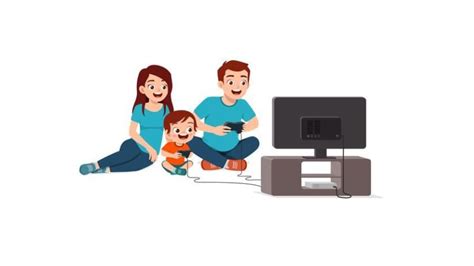
- Play Together or Observe: The best way to understand a game’s impact is to experience it yourself or watch your child play. This opens up opportunities for discussion and immediate intervention if something is unsuitable.
- Talk to Other Parents: Engage with other parents in your community or online. They can offer valuable insights and recommendations based on their own children’s experiences.
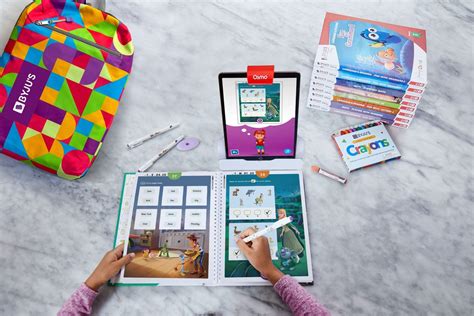
- Utilize Platform Settings and Curated Lists: Most consoles and platforms offer robust parental control settings to restrict purchases, communication, and even game access. Many also feature curated ‘kids’ sections or subscription services (like Apple Arcade) that vet games for family-friendliness.

Building a Healthy Digital Environment
Ultimately, finding truly age-appropriate games is an ongoing process that combines external ratings with internal knowledge of your child, diligent research, and active involvement. It’s about fostering a healthy digital environment where games are a source of joy, learning, and connection, rather than frustration or anxiety.
By looking beyond the ESRB and taking a holistic approach, parents can confidently guide their children through the vast world of video games, ensuring their digital experiences are enriching and developmentally sound.