How can I ensure my child plays safe, age-appropriate online games?

Navigating the Digital Playground: A Parent’s Guide
In today’s interconnected world, online games are an undeniable part of many children’s lives. While they can offer educational benefits, social interaction, and entertainment, parents often grapple with concerns about safety and age-appropriateness. Ensuring your child has a positive and secure online gaming experience requires a proactive and informed approach. This guide will walk you through essential steps to help you manage your child’s digital playtime effectively.
Decoding Game Ratings and Classifications
The first step in selecting age-appropriate games is to understand the rating systems. Organizations like the Entertainment Software Rating Board (ESRB) in North America, PEGI (Pan European Game Information) in Europe, and others globally provide clear age recommendations and content descriptors. These ratings detail aspects like violence, language, suggestive themes, and interactive elements. Always check these ratings before allowing your child to play a new game, as they offer invaluable insight into the game’s suitability.
Don’t just look at the age recommendation; delve into the content descriptors. A game might be rated ‘E for Everyone’ but still contain online interactions that you might want to monitor closely. Familiarize yourself with what each descriptor means, and consider if it aligns with your family’s values and your child’s maturity level.

Mastering Parental Control Settings
Modern gaming consoles, PC platforms (like Steam or Epic Games), mobile devices, and even internet routers offer robust parental control features. These tools are your best allies in creating a safe gaming environment. They allow you to:
- Restrict access to games based on their age rating.
- Manage screen time and set play limits.
- Control in-game purchases and transactions.
- Limit or disable online communication with other players.
- Filter web content accessed through the device.
Take the time to explore and configure these settings on every device your child uses for gaming. Regular review of these settings is also important, especially as platforms update their software or as your child matures.

Fostering Open Communication and Trust
Technology alone isn’t enough; open dialogue with your child is paramount. Talk to them about the games they play, who they play with, and what they experience online. Teach them about online etiquette, the importance of privacy, and what to do if they encounter anything uncomfortable or inappropriate. Encourage them to come to you with any concerns, fostering an environment where they feel safe to share their online interactions without fear of judgment.
Discuss the difference between real-life friends and online acquaintances. Explain why sharing personal information (like full names, addresses, or school names) is dangerous. Regular conversations about their online world will not only keep you informed but also empower your child to make safer choices.

Curating a Safe Gaming Library
Beyond ratings and controls, actively curate the games your child plays. Research games before buying or downloading them. Read reviews from other parents, watch gameplay videos, or even try the game yourself if possible. Look for games known for positive communities, educational value, or cooperative play that encourages teamwork rather than solely competitive or combative interactions.
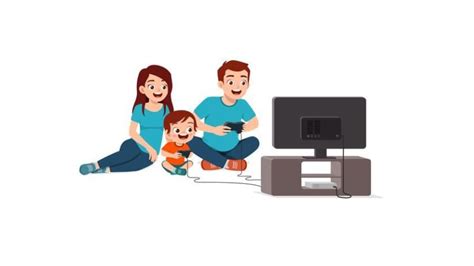
Consider playing games with your child. This not only allows you to monitor their interactions directly but also provides an excellent opportunity for bonding and understanding their interests. Joint gaming sessions can turn screen time into quality family time.

Regular Monitoring and Adapting Your Approach
The digital landscape is constantly evolving, and so are children. What was appropriate last year might not be this year, and new games are released daily. Regularly monitor your child’s gaming activities – not as a form of spying, but as part of your ongoing engagement. Check their game history, look at their friends list (if applicable), and occasionally sit in on their play sessions.
Be prepared to adapt your rules and controls as your child grows and matures. As they demonstrate greater responsibility, you might gradually loosen some restrictions, but always maintain a level of oversight and open communication. The goal is to teach them digital literacy and self-regulation, preparing them for a lifetime of responsible online engagement.

Conclusion
Ensuring your child plays safe, age-appropriate online games is an ongoing process that combines understanding technology, setting boundaries, and maintaining open lines of communication. By actively engaging in their digital world, leveraging available tools, and fostering trust, you can empower your child to navigate online gaming responsibly and enjoy its many benefits without unnecessary risks. Your informed involvement is the most powerful safeguard.