How can game guides better address common new player mistakes early on?

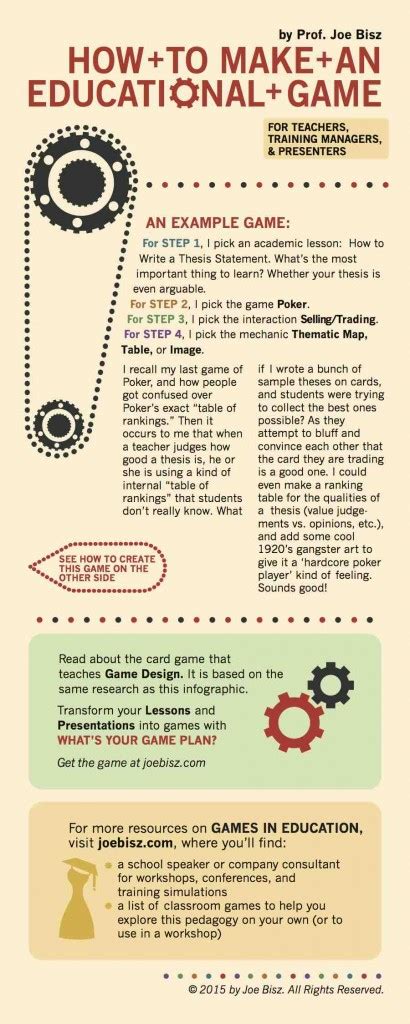
New players embarking on a journey into a complex game often face a steep learning curve. While game guides aim to illuminate the path, many fall short by simply explaining mechanics rather than proactively addressing the critical mistakes beginners frequently make. To truly serve new players, guides need to evolve, becoming less descriptive and more prescriptive, steering novices away from common early-game pitfalls.
The New Player’s Plight: Common Early Game Stumbles
One of the most frequent errors beginners commit involves resource mismanagement. This could range from spending crucial early-game currency on inefficient upgrades or cosmetic items, to selling valuable quest items prematurely, or even neglecting to gather essential crafting materials. Such missteps can cripple a player’s progression, leading to frustration and the feeling of being “stuck” before the game truly begins.
Another significant hurdle is misunderstanding core game mechanics. Players might struggle with a game’s unique combat system, misinterpret quest objectives, overlook critical movement abilities, or fail to grasp fundamental economic principles. When these foundational elements are not clearly understood, every subsequent challenge becomes exponentially harder.
Initial character build or skill allocation choices also frequently trip up new players. Without foresight, a beginner might invest points into suboptimal abilities or choose a class that doesn’t align with their preferred playstyle, leading to an unsatisfying experience that could have been avoided with better guidance.
Lastly, many new players, eager to jump into the action, skip vital tutorials or ignore lore that provides crucial context for the game world and its systems. This often results in a fractured understanding of the game’s mechanics and narrative, making the early experience feel disjointed and overwhelming.

Strategies for Smarter Guide Design
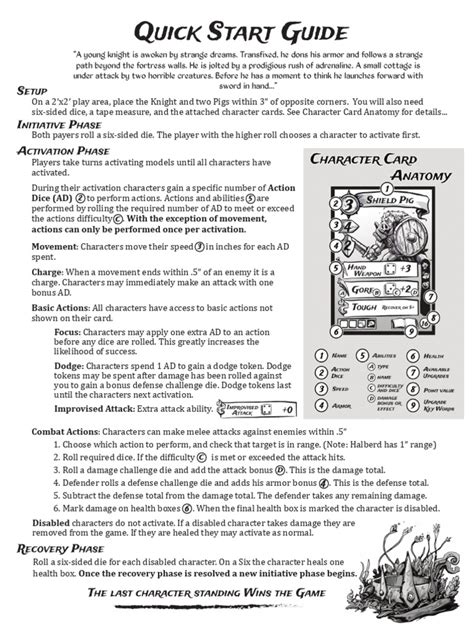
Effective guides must adopt a proactive warning system. Instead of merely explaining how to use an item, they should clearly state, “Do NOT sell your starting sword; it’s needed for an early quest.” Or, “Avoid spending your first 100 gold on item X, save it for Y.” These explicit warnings can prevent immediate, impactful errors.
Contextual and timely advice is also paramount. Information is most potent when delivered precisely when a player needs it. A guide could be structured to follow a natural progression, offering tips just before critical junctures, such as “Before you enter the Whispering Woods, ensure you have at least 5 health potions.” This ‘just-in-time’ information is far more valuable than a blanket list of tips.
Visual learning aids and clear examples can significantly enhance understanding. Flowcharts illustrating decision paths, simple diagrams explaining complex combat rotations, or screenshots highlighting key UI elements can convey information more effectively than paragraphs of text. These visual cues break down complexity and make learning less daunting.
Prioritization of foundational skills is another critical aspect. Guides should clearly delineate what mechanics are absolutely essential to master early on, and which can be learned later. Emphasizing the core loop and basic interactions ensures players build a solid base before venturing into more advanced strategies.
Beyond Basic Explanations: Engaging and Anticipating
Incorporating interactive elements, even if just text-based, can be highly beneficial. Hypothetical “What if you…” scenarios that guide players through common dilemmas, or simple decision-tree prompts, can help them mentally rehearse correct actions and understand consequences before making actual in-game choices.
Highlighting long-term consequences of early mistakes is also crucial. Explaining that an early misallocation of skill points might not seem bad now, but will severely limit late-game effectiveness, adds gravity to advice. This helps new players understand the ‘why’ behind the ‘what not to do’.
Finally, integrating insights from the experienced player community and common FAQs can enrich guides. What do veteran players consistently see new players struggle with? What are the top 5 questions asked by beginners? Incorporating these community-vetted insights ensures guides are addressing real-world pain points.

By shifting from purely descriptive accounts to empathetic, anticipatory, and prescriptive advice, game guides can transform the new player experience. Such guides not only explain the game but actively help players navigate its earliest, most challenging stages, fostering a sense of accomplishment rather than frustration, and ultimately contributing to higher player retention and enjoyment.