How can game guides best simplify complex rules for true beginners?

For many true beginners, the initial encounter with a new game’s rulebook can feel like deciphering an ancient, arcane text. Complex mechanics, intricate terminology, and lengthy setup instructions often create an insurmountable barrier, preventing new players from experiencing the joy the game offers. Effective game guides are crucial in bridging this gap, transforming confusion into comprehension and ultimately, engagement.
Understanding the Beginner’s Perspective
A true beginner approaches a game with no prior knowledge, no inherent understanding of common game conventions, and often, a low tolerance for initial frustration. They don’t yet understand the “why” behind the rules, only the “what.” Guides must acknowledge this blank slate, avoiding assumptions and patiently building knowledge from the ground up.

Core Principles for Rule Simplification
Simplifying complex rules isn’t about dumbing down the game; it’s about making the learning path accessible and intuitive. Several key principles can guide this process:
- Start with the “Why”: Before diving into specific actions, explain the game’s objective and core loop. What is the player trying to achieve? How do they win? This provides context for all subsequent rules.
- Layered Learning: Introduce concepts incrementally. Start with the absolute minimum required to play a basic turn, then add advanced rules, special abilities, and strategic nuances as the player gains confidence. Think of it as a tutorial that gradually unlocks features.
- Focus on the Core Gameplay Loop: What are the fundamental actions a player takes on their turn? Break this down into simple, repeatable steps. “Player draws card, plays card, ends turn” is far clearer than a dense paragraph describing all possible actions simultaneously.
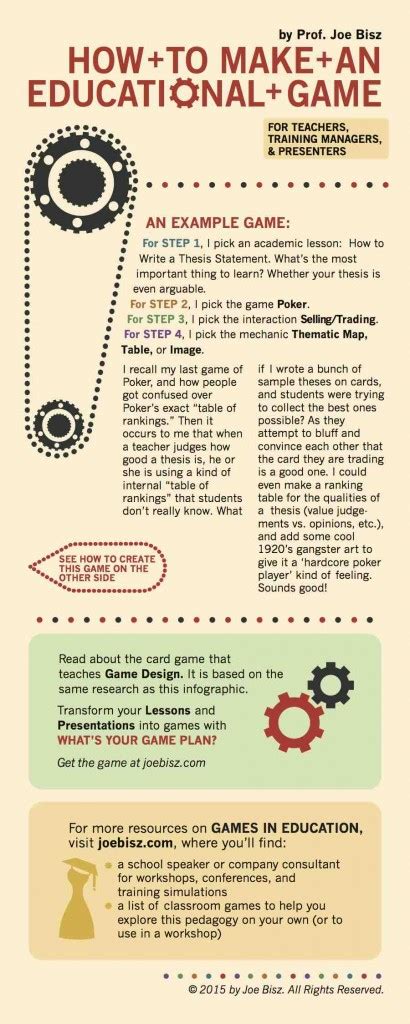
- Visual Aids are Paramount: Text-heavy explanations can be overwhelming. Use diagrams, flowcharts, annotated screenshots, and iconography to illustrate concepts. A picture truly is worth a thousand words when explaining movement rules or combat sequences.

Practical Elements of an Effective Beginner Guide
Beyond the philosophical approach, specific structural elements can dramatically improve a guide’s utility for beginners:
1. The Quick Start Guide
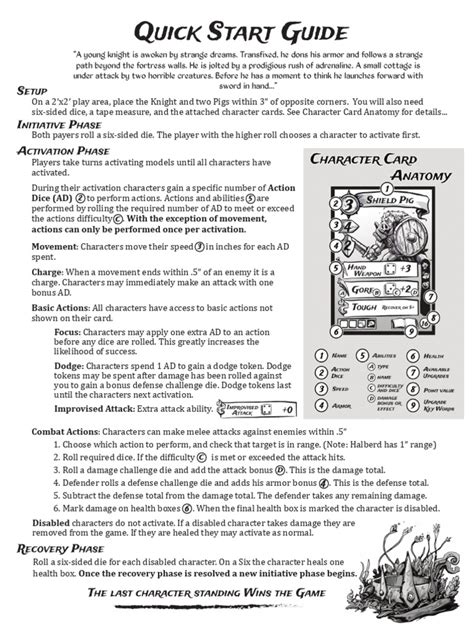
This is arguably the most important component. A quick start guide should get players into the game within minutes, using only the bare essential rules. It might involve a simplified setup, a “first turn” walkthrough, or a basic scenario that showcases the core mechanics without overwhelming details. Its goal is immediate engagement, not comprehensive understanding.

2. Clear Glossary of Terms
Every game introduces unique jargon. A dedicated glossary that defines all game-specific terms (e.g., “Mulligan,” “Aggro,” “VP,” “Action Points”) clearly and concisely is invaluable. Hyperlinking these terms within a digital guide can also be highly effective.
3. Step-by-Step Examples and Walkthroughs
Demonstrating how rules are applied in practice is often more effective than abstract explanations. A “first round” walkthrough, complete with example player decisions and outcomes, can solidify understanding for new players. For complex phases, a flowchart showing the sequence of actions can be extremely helpful.

4. FAQs and Common Pitfalls
Anticipate common beginner questions and confusion points. A dedicated FAQ section can address these directly, saving players from digging through the entire rulebook. Highlight common mistakes and offer solutions.
Language, Tone, and Accessibility
The way a guide communicates is as important as what it communicates. Use clear, concise language, avoiding overly academic or informal tones. A patient, encouraging, and enthusiastic tone can make the learning process less intimidating. Ensure the guide is accessible in its presentation, with good contrast, readable fonts, and logical layout.

Conclusion
Crafting a game guide that truly simplifies complex rules for beginners is an art. It requires empathy for the new player, a systematic approach to information delivery, and a commitment to clarity. By prioritizing layered learning, visual aids, quick-start options, and an encouraging tone, guides can transform potentially daunting experiences into exciting journeys of discovery, ensuring more players get to enjoy the rich worlds and mechanics games have to offer.