How can game beginner guides effectively tackle steep learning curves?

Steep learning curves are a common barrier for new players entering complex video games, from intricate strategy titles to expansive RPGs. A poorly designed beginner guide can overwhelm and frustrate, leading to early player attrition. Conversely, a well-crafted guide can not only ease new players into the experience but also foster long-term engagement and enjoyment. The key lies in understanding player psychology and employing pedagogical techniques that simplify complexity without sacrificing depth.
Understanding the Steep Learning Curve Challenge
A game’s learning curve is steep when it demands a significant amount of knowledge or skill upfront before a player can experience meaningful progress or enjoyment. This often stems from complex mechanics, a multitude of systems, unintuitive interfaces, or a lack of clear objectives. New players can feel lost, incompetent, or simply too overwhelmed to continue.

The goal of an effective beginner guide isn’t to remove the complexity entirely, but to make it approachable. It’s about providing the right information, at the right time, in the right way, allowing players to build a foundational understanding before tackling advanced concepts.
Strategies for Effective Beginner Guides
1. Gradual Onboarding and Pacing
The most crucial aspect of tackling a steep learning curve is to introduce concepts incrementally. Overloading a new player with too much information at once is counterproductive. Guides should:
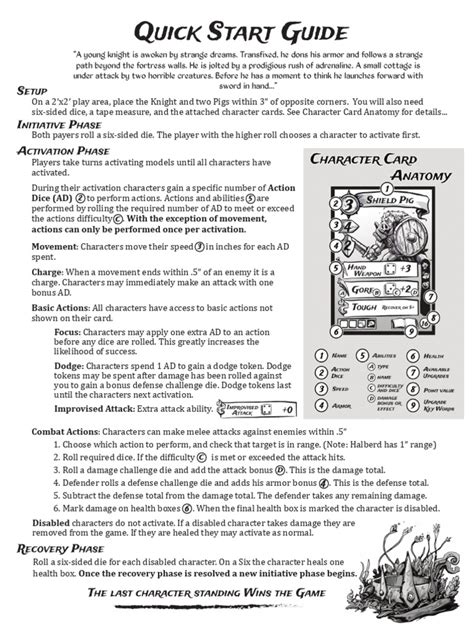
- Isolate Core Mechanics: Start with the absolute basics – movement, primary interaction, and core objectives.
- Layer Information: Introduce new mechanics one by one, allowing players to master each before moving on. Think of it like building blocks.
- Control the Environment: Provide a safe, low-stakes environment where new players can experiment without fear of immediate failure or consequence.
2. Interactive and Contextual Learning
Passive learning (reading long text blocks) is less effective than active, interactive learning. Beginner guides should integrate elements that allow players to learn by doing.
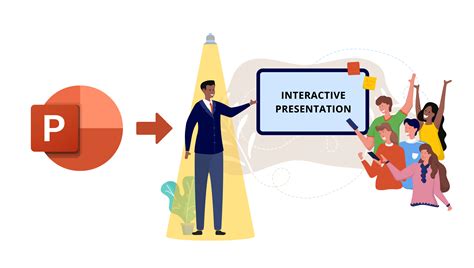
- In-Game Tutorials: Seamlessly woven into gameplay, these guides offer explanations as actions are performed or required.
- Contextual Tooltips and UI Hints: Short, on-demand explanations for UI elements or game concepts that appear when a player hovers over an item or encounters a new mechanic.
- Guided Playthroughs: Offer a path forward, suggesting specific actions or objectives for players to complete, thereby reinforcing learned mechanics.
3. Clear Explanations and Visual Aids
The way information is presented is just as important as the information itself. Clarity and visual reinforcement are paramount.

- Simple Language: Avoid jargon where possible, or explain it clearly upon first use. Use concise sentences.
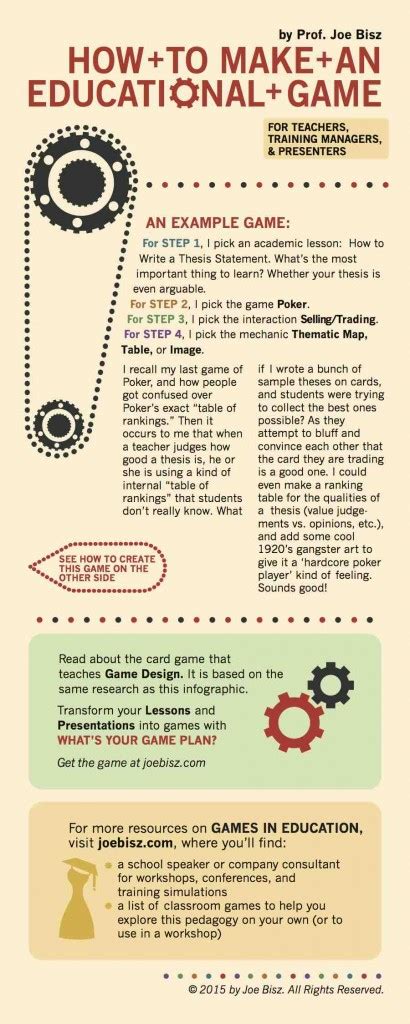
- Visual Cues and Diagrams: Utilize screenshots, annotated images, flowcharts, and short video clips to illustrate complex processes or relationships. Show, don’t just tell.
- Highlight Key Information: Use bold text, bullet points, and distinct formatting to draw attention to critical tips and mechanics.
4. Practice, Experimentation, and Feedback
Learning truly sticks when players can apply what they’ve learned and receive feedback on their performance.

- Practice Arenas/Sandbox Modes: Dedicated areas where players can freely experiment with mechanics without pressure.
- Immediate Feedback: When a player performs an action correctly or incorrectly, the guide (or game) should provide immediate, clear feedback explaining the outcome.
- Low-Stakes Challenges: Introduce easy challenges or puzzles that require the application of recently learned skills, gradually increasing difficulty.
5. Modular Structure and Resource Accessibility
For games with truly immense depth, a single linear guide may not suffice. A modular approach makes information more manageable.
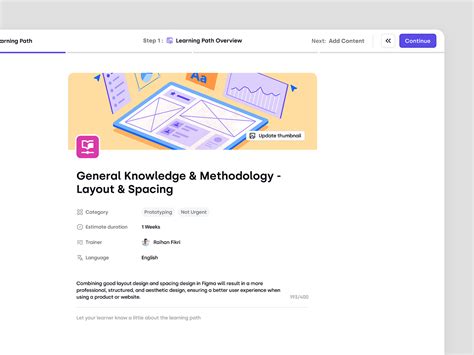
- Categorized Sections: Break the guide into distinct sections (e.g., ‘Combat Basics’, ‘Resource Management’, ‘Exploration’).
- Searchable Content: If the guide is external or extensive, ensure it’s easily searchable.
- Reference Material: Provide an in-game glossary or wiki that players can refer to at any time for specific details they might have forgotten or missed.
Conclusion
Effectively tackling steep learning curves isn’t about dumbing down a game; it’s about intelligent design of the onboarding process. By employing gradual progression, interactive elements, clear visual explanations, opportunities for practice, and a modular structure, beginner guides can transform a potentially frustrating experience into an engaging journey of discovery. A well-designed guide not only retains new players but empowers them to truly appreciate the depth and complexity that makes a game special.