How can game beginner guides avoid overwhelming new players with too much info?
Jumping into a new video game can be an exhilarating experience, but for many, it quickly turns into a frustrating one due to an overwhelming flood of information. Beginner guides, while well-intentioned, often fall into the trap of detailing every single mechanic, item, or strategy from the outset. This article explores practical strategies for creating game beginner guides that effectively onboard new players without burying them under a mountain of data.
The “Less is More” Philosophy: Prioritizing Essentials
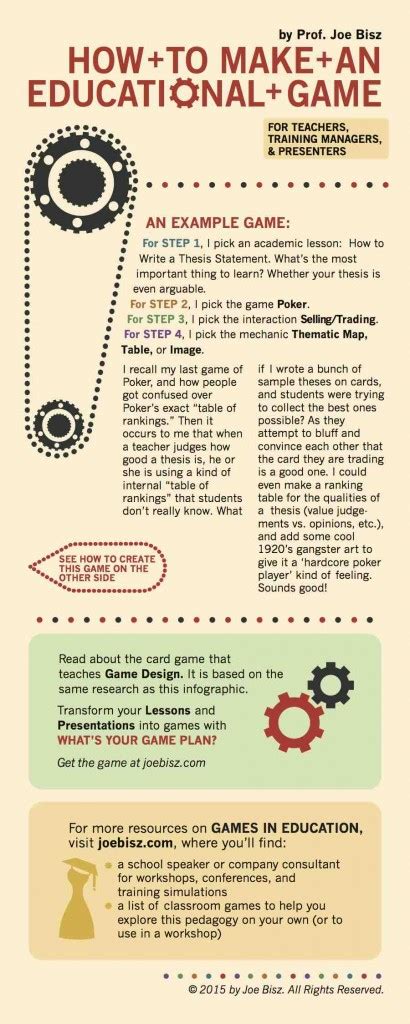
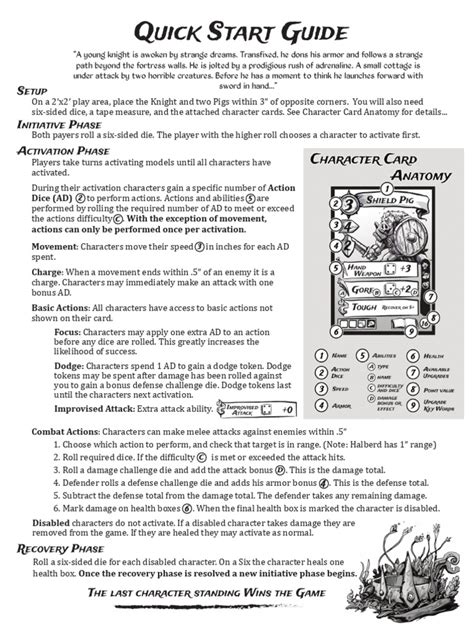
The first and most crucial step is to adopt a “less is more” approach. New players only need to know enough to get started and feel competent in the game’s core loop. Distinguish between “need-to-know” information – controls, basic objectives, core combat/interaction – and “nice-to-know” details like advanced strategies, optimal builds, or lore nuances. Focus exclusively on the former in initial guides.
Overloading with advanced tactics or every single character ability before a player understands basic movement will only lead to confusion and frustration. Start with the absolute minimum required to achieve early success and enjoyment.
Gradual Introduction of Mechanics
Just as games often introduce new challenges and abilities over time, guides should follow a similar progression. Instead of a monolithic guide covering everything, break down the learning process into stages. For example, a guide for an RPG might cover basic combat and questing initially, then introduce crafting after a few hours of gameplay, and finally delve into advanced character customization later.
This phased approach allows players to master one set of concepts before moving on to the next, building a solid foundation of understanding rather than a shaky one. Each new piece of information feels like a natural progression rather than an arbitrary addition.
Contextual Learning and Hands-On Practice
The most effective way to learn is by doing. Beginner guides should encourage active participation, not just passive reading. When explaining a mechanic, provide a simple scenario or challenge where the player can immediately apply that knowledge within the game. For instance, instead of just listing button commands, explain a simple enemy encounter and how to use those commands to win it.
Good guides integrate seamlessly with the actual gameplay experience. Referencing specific early-game quests, zones, or enemies helps anchor the information in a tangible context, making it far easier for players to recall and utilize.

Clarity, Simplicity, and Visual Aids
Avoid jargon, acronyms, or game-specific terms without first explaining them clearly. Use plain, concise language. If a concept can be explained in five words instead of fifty, opt for the shorter version. Bullet points, numbered lists, and short paragraphs also make information more digestible than dense blocks of text.
Visual aids are incredibly powerful. Screenshots with annotated circles or arrows, clear icons, and short, focused video clips (if the medium allows) can convey information far more effectively and quickly than text alone. Show, don’t just tell, whenever possible.
Chunking Information and Optional Deeper Dives
Break down complex systems into smaller, manageable chunks. If a game has a vast skill tree, focus the initial guide on explaining the first few essential skills or the basic philosophy behind choosing them, rather than mapping out every single branch. Use headings, subheadings, and distinct sections to organize content logically.
For players who crave more depth, provide “optional deeper dives” or links to advanced sections. This allows new players to get the core info they need and move on, while experienced players or those ready for more complexity can easily find additional resources without cluttering the main beginner path.
Crafting effective beginner guides requires empathy for the new player experience. By prioritizing essential information, introducing mechanics gradually, emphasizing hands-on learning, utilizing clear visuals, and structuring content thoughtfully, we can create guides that empower players to enjoy their new game from the very first moment, rather than overwhelming them into quitting.