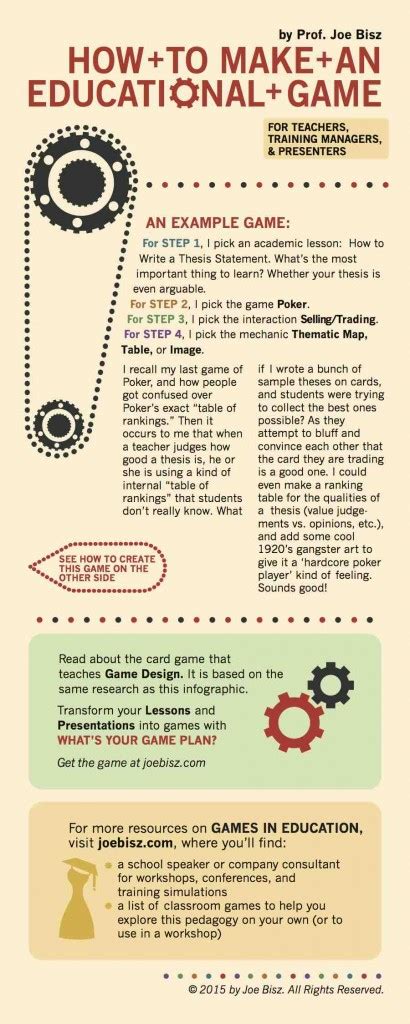
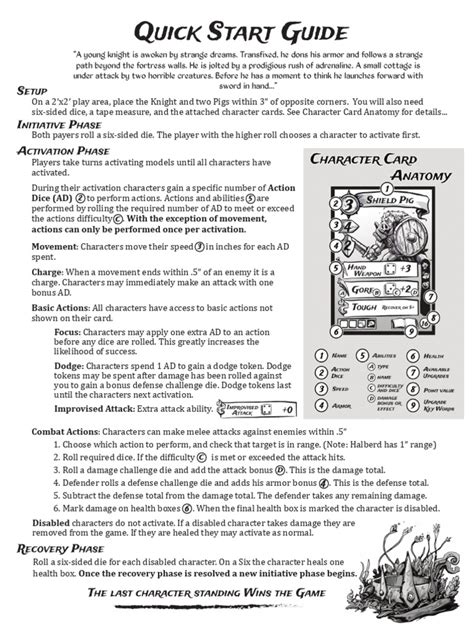
How can beginner guides simplify complex game mechanics for new players?

Starting a new game can be daunting, especially when faced with intricate systems and obscure terminology. Many modern games boast deep, complex mechanics that, while rewarding for veterans, can create a steep learning curve for newcomers. This is where well-crafted beginner guides become indispensable, acting as a crucial bridge between confusion and comprehension.
Deconstructing Complexity into Digestible Pieces
One of the primary ways guides simplify complex mechanics is by breaking them down. Instead of presenting a massive wall of information, they segment it into smaller, manageable chunks. This approach prevents information overload, allowing players to absorb concepts incrementally.
Guides often start by isolating a single core mechanic, explaining its purpose and basic function before introducing how it interacts with other systems. This step-by-step methodology is akin to learning the alphabet before attempting to read a novel.
Furthermore, guides demystify game-specific jargon. Every complex game has its own lexicon, from “aggro” and “DPS” in MMOs to “last hitting” and “kiting” in MOBAs. A good guide will define these terms clearly, often with context-rich examples, ensuring new players aren’t left guessing.
Utilizing Visual Aids and Practical Examples
Text alone can only go so far when explaining spatial relationships, timing, or complex interfaces. Effective beginner guides frequently incorporate visual aids, such as diagrams, screenshots, or even video links. These visuals can illustrate concepts like character build paths, resource management maps, or intricate combat rotations much more effectively than paragraphs of text.
Beyond visuals, practical examples and “walkthrough” scenarios are invaluable. Instead of just stating a rule, a guide might present a common in-game situation and explain the optimal strategy, detailing the ‘why’ behind each action. This contextual learning helps players apply abstract knowledge to real gameplay.
Fostering Progressive Learning and Scaffolding
Beginner guides often follow a progressive learning curve, much like a well-designed tutorial. They start with the absolute fundamentals – movement, basic attacks, UI navigation – and gradually introduce more advanced concepts such as crafting systems, skill trees, or strategic positioning. This scaffolding approach ensures that foundational knowledge is solid before more intricate layers are added.
They also excel at connecting seemingly disparate mechanics. For instance, a guide might explain how a character’s stats influence their ability power, which in turn affects their damage output against certain enemy types, thereby weaving a cohesive narrative around interconnected systems.
Reducing Frustration and Boosting Confidence
Perhaps one of the most significant benefits of beginner guides is their ability to reduce the frustration that often accompanies learning a new, complex game. When players feel lost or overwhelmed, they are more likely to abandon the game entirely. Guides provide a clear roadmap, alleviating anxiety and making the initial hours more enjoyable.

By successfully navigating initial challenges with the help of a guide, new players gain confidence in their abilities. This positive reinforcement encourages them to delve deeper into the game’s complexities, experiment with different strategies, and ultimately, become more engaged and skilled players.

Conclusion
In conclusion, beginner guides are far more than just instruction manuals; they are essential tools that transform potentially frustrating introductions into engaging learning experiences. By breaking down complexity, leveraging visual and practical examples, fostering progressive learning, and ultimately building player confidence, these guides ensure that the rich, intricate worlds of modern gaming are accessible and enjoyable for everyone, regardless of their prior experience.