How can beginner guides quickly teach game fundamentals to total new players?

Mastering First Impressions: Accelerating New Player Learning
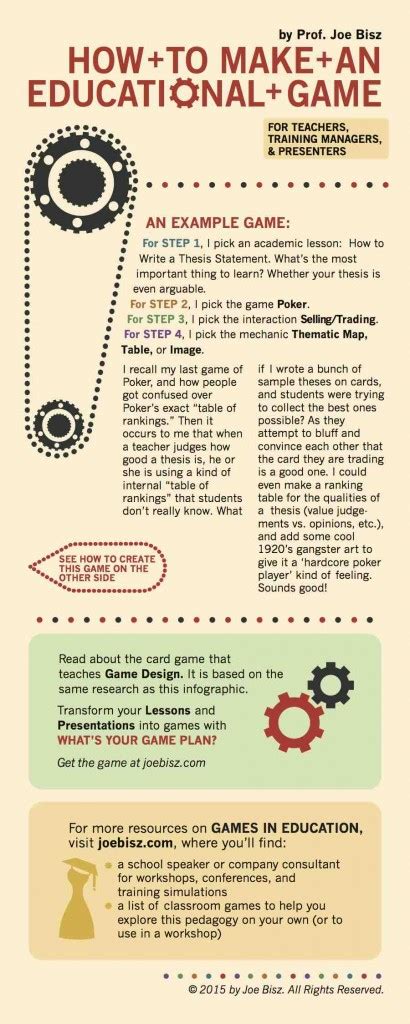
For any game, a new player’s first hours are critical. If they can’t grasp the core mechanics quickly, they’re likely to disengage. Effective beginner guides are not just about showing; they’re about teaching in a way that sticks, transforming total novices into competent players ready for the main experience. The goal is to minimize frustration and maximize understanding, making the initial learning curve feel like an exciting ascent rather than a steep cliff.

Focus on Core Mechanics and Iterative Learning
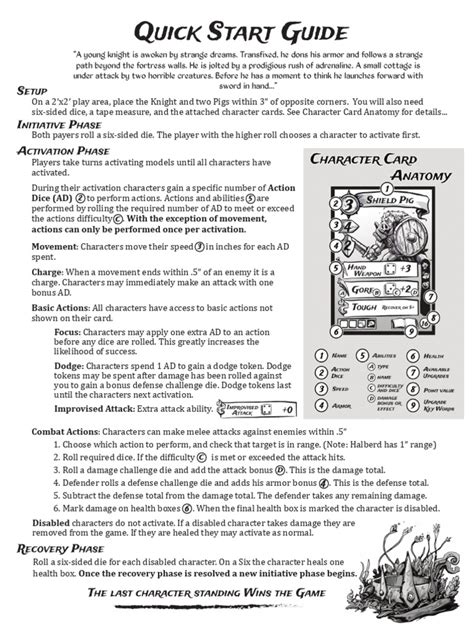
The biggest mistake a beginner guide can make is information overload. Instead, prioritize the absolute core mechanics essential for basic gameplay. What are the 2-3 things a player absolutely MUST know to move, interact, and survive? Introduce these concepts one at a time, allowing players to practice each before layering on the next. This iterative approach builds confidence and understanding without overwhelming.
- Identify the ‘Must-Knows’: Distinguish between foundational skills and advanced techniques.
- Sequential Introduction: Present concepts in a logical order, often building upon previous lessons.
- Active Learning: Encourage players to immediately apply what they’ve learned through simple tasks.
Interactive Tutorials and Immediate Feedback
Passive reading or watching is far less effective than active participation. Beginner guides should be highly interactive, integrating learning directly into gameplay. This means on-screen prompts, guided actions, and mini-challenges that require players to use the mechanics being taught. Crucially, immediate and clear feedback is essential. Did they perform the action correctly? If not, why? Gentle corrections and celebratory affirmations reinforce learning.
Consider ‘guided discovery’ where players are given a goal and the tools, then encouraged to figure out the solution with subtle hints if they struggle. This fosters a sense of accomplishment and deeper understanding.

Leverage Visuals and Clear, Concise Language
A picture is worth a thousand words, especially in game tutorials. Use clear visual cues, UI highlights, and simple animations to demonstrate actions. Text should be minimal, direct, and free of jargon. Avoid long paragraphs; bullet points, short sentences, and bolded keywords are your friends. If a concept is complex, break it down into smaller, digestible visual segments.
On-screen indicators, like glowing interactables or directional arrows, can guide players without needing lengthy textual explanations. Similarly, voice-overs can be highly effective, delivering information succinctly while players focus on the visuals.

Contextual Learning and ‘Learning by Doing’
The best place to learn how to play a game is within the game itself. Integrate the tutorial seamlessly into the game’s opening moments or a dedicated training area that mirrors the actual game environment. Players should feel like they are starting their adventure, not just doing homework. Contextual tooltips that appear only when needed, and disappear once understood, are a powerful way to provide just-in-time information without cluttering the screen.
Design a series of micro-quests or challenges that naturally lead players through the core loops of the game. For example, ‘collect 3 apples’ to teach inventory, ‘defeat 1 enemy’ to teach combat, and ‘craft a basic tool’ to teach crafting. Each small victory reinforces learning and builds momentum.
Progressive Revelation and Avoiding Pitfalls
Don’t dump all information at once. Introduce advanced concepts, character customization, or complex crafting trees only after the player has a firm grasp of the basics. This progressive revelation keeps the learning curve gentle and ensures players aren’t overwhelmed by options before they understand the core gameplay loop. Avoid forcing players through unskippable, lengthy tutorials if they already have some familiarity; offer options to skip or fast-forward.
Common pitfalls include:
- Information Overload: Too much text, too many concepts at once.
- Lack of Interactivity: Passive viewing without active engagement.
- Poor Feedback: Players don’t know if they succeeded or failed.
- Unclear UI: Tutorial elements that are hard to see or understand.
- Skipping Essentials: Assuming basic knowledge that total newcomers lack.

Conclusion: A Welcoming Gateway to Fun
Effectively teaching game fundamentals to total new players is an art form. It requires empathy for the new player experience, a clear understanding of core mechanics, and a commitment to interactive, visually-driven, and iteratively structured learning. By focusing on these principles, game developers can craft beginner guides that not only teach quickly but also captivate and retain players, transforming potential frustration into immediate enjoyment and paving the way for a deeper, more rewarding gameplay journey.