How can beginner guides for any game effectively balance core mechanics with fun discovery?

The Fundamental Challenge: Guiding Without Spoiling
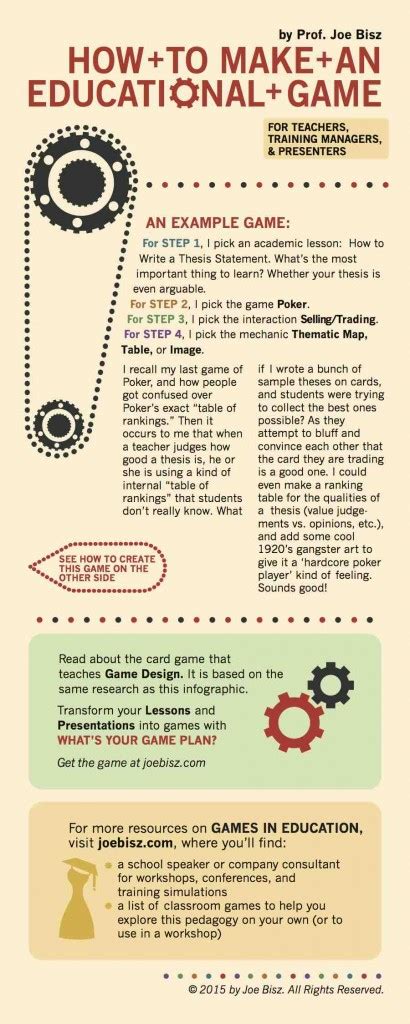
For any new player diving into an unfamiliar game, the initial experience can be daunting. Beginner guides serve as an invaluable compass, helping navigate complex systems and core mechanics. However, the true art lies in balancing this essential guidance with the inherent thrill of discovery – that ‘aha!’ moment when a player uncovers a secret, masters a technique, or understands a nuanced system on their own. Over-explanation can stifle curiosity, while too little guidance can lead to frustration. The goal is to onboard players effectively without stripping away the magic of exploration.

Layered Learning: Gradual Revelation of Mechanics
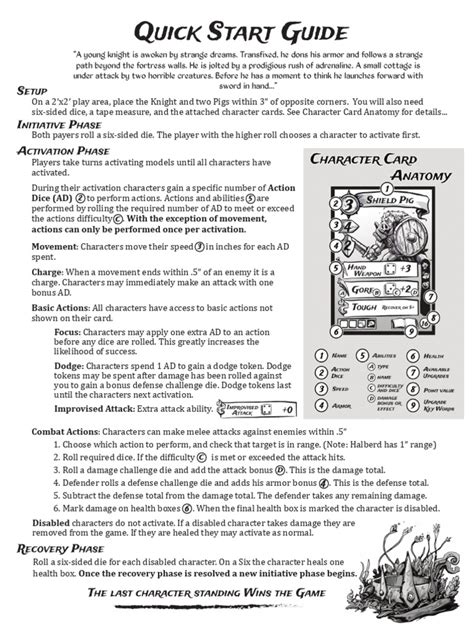
One of the most effective strategies is to introduce core mechanics in layers, starting with the absolute essentials and progressively building complexity. A guide shouldn’t dump all information at once. Instead, it should mirror the game’s natural progression:
- Basic Controls & UI: Start with fundamental movement, interaction, and understanding the heads-up display.
- Core Gameplay Loop: Introduce the primary activities and objectives (e.g., gather, craft, fight for RPGs; build, expand for strategy games).
- Advanced Systems: Once basic proficiency is achieved, delve into deeper mechanics like character customization, advanced combat tactics, or intricate economic systems.
This layered approach ensures players aren’t overwhelmed and can absorb information at a manageable pace, with each new layer feeling like a natural evolution rather than an information overload.
Contextual Onboarding: Learning by Doing
The best guides don’t just tell; they show and encourage doing. Integrating learning into the actual gameplay experience is far more engaging than standalone text blocks. Quests, challenges, or initial objectives that subtly introduce mechanics are ideal. For instance, a quest to gather specific resources teaches players how to harvest, while a simple combat encounter introduces basic attack and defense. When players actively apply new knowledge in a relevant context, it sticks better and feels less like a chore and more like an integral part of their adventure.
Hinting, Not Hand-Holding: Nudging Discovery
A crucial distinction for a balanced guide is between providing hints and explicit hand-holding. Instead of detailing every possible interaction or optimal strategy, guides can offer nudges that point players in the right direction, allowing them to figure out the exact solution or optimal path themselves. This could involve:
- Giving clues about hidden mechanics: “Pay attention to environmental details; they often hold secrets.”
- Suggesting experimentation: “Try combining different items to see what happens.”
- Framing possibilities: “There are many ways to approach this challenge; consider your strengths.”
These gentle prompts empower players to feel clever and resourceful when they successfully decipher the game’s nuances.

Empowering Experimentation: Tools, Not Answers
Beginner guides should aim to equip players with the tools to understand the game, rather than simply providing all the answers. This means focusing on core principles, decision-making frameworks, and the underlying logic of the game world. For example, instead of listing every enemy weakness, a guide might explain the game’s elemental damage system. This empowers players to deduce weaknesses for new enemies they encounter, fostering a deeper understanding and a sense of mastery.
The Art of the Guided Adventure
Ultimately, a successful beginner guide doesn’t just inform; it inspires. It walks a tightrope, offering enough structure to prevent frustration while leaving ample room for personal exploration and delightful surprises. By prioritizing layered learning, contextual onboarding, subtle hints, and the empowerment of experimentation, guides can transform the initial learning phase from a barrier into an exciting prelude to a grand adventure. The best guides don’t just teach players how to play a game; they teach them how to learn the game, ensuring that every discovery, no matter how small, feels earned and genuinely fun.