How can beginner game guides simplify complex mechanics for new players quickly?

Navigating the Labyrinth: Why Simplification Matters
Modern video games are rich, immersive experiences, but their depth often comes with complex mechanics that can overwhelm new players. From intricate combat systems and sprawling skill trees to nuanced crafting and economy models, understanding the core gameplay loop can feel like deciphering an ancient tome. Beginner game guides play a crucial role in bridging this gap, transforming confusion into clarity and ensuring new players quickly grasp the fundamentals without feeling discouraged.
The goal isn’t just to explain, but to simplify. A truly effective guide doesn’t just list features; it breaks them down, prioritizing learnability and immediate utility. This rapid understanding is vital for player retention and enjoyment, as an early sense of mastery encourages continued engagement.
Core Strategies for Rapid Mechanic Simplification
1. Chunking Information and Progressive Disclosure
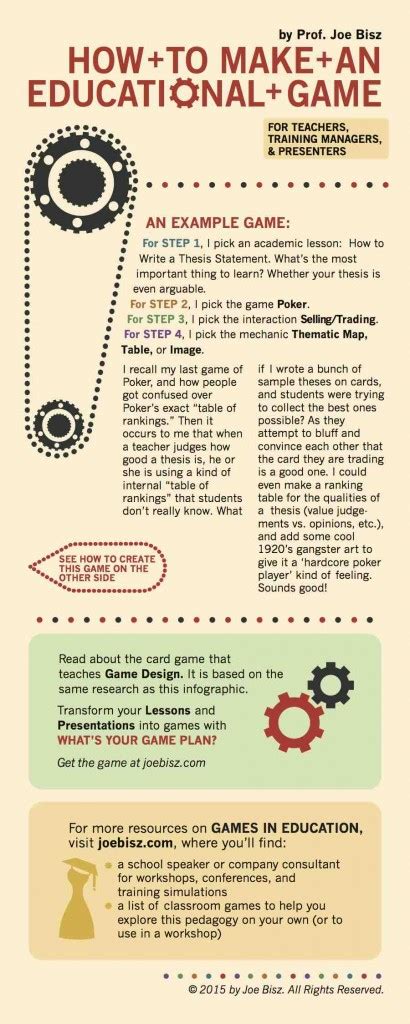
Instead of dumping all information at once, effective guides break complex systems into smaller, digestible chunks. Each chunk should focus on a single concept or a tightly related set of ideas. Furthermore, employing progressive disclosure means introducing only the most essential information required to get started, then gradually revealing more advanced details as the player progresses. For example, a guide for an RPG might first explain basic attack and defense, then later delve into status effects or elemental weaknesses.
2. Analogies and Real-World Comparisons
One of the quickest ways to make a foreign concept familiar is to compare it to something the reader already understands. A crafting system might be explained as “like baking, where you combine ingredients to make a cake,” or a strategic resource management mechanic as “similar to managing your budget in real life.” These analogies create immediate mental models, significantly reducing the cognitive load for new players.

3. Visual Aids and Examples
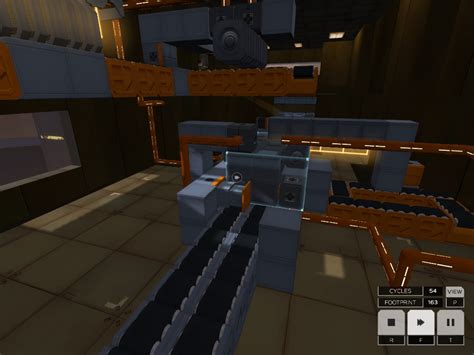
A picture is worth a thousand words, especially when dealing with visual mediums like video games. Even without actual images embedded, guides can strongly suggest visual aids. Descriptions like “look for the glowing icon in the top-left” or “imagine a diagram showing the flow of resources” help players visualize the interface. Ideally, guides would use annotated screenshots, flowcharts, or short GIFs to demonstrate mechanics in action, making abstract concepts concrete and easy to follow.
4. Step-by-Step Instructions and Practical Scenarios
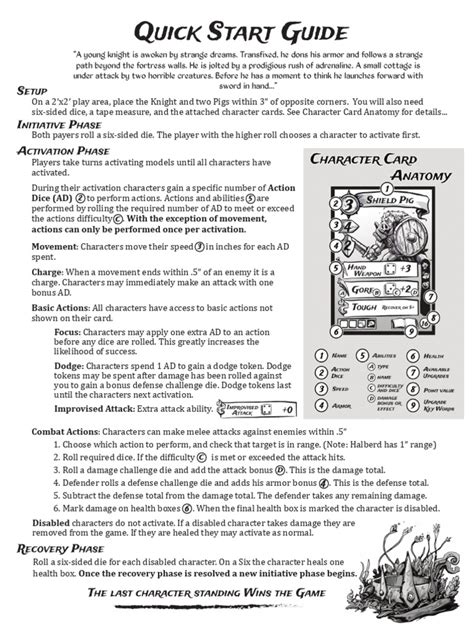
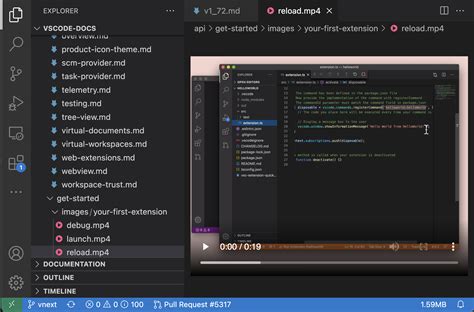
Theory is good, but practice is better. Guides should offer clear, concise, step-by-step instructions for executing specific mechanics. Even better is integrating these steps into practical scenarios. Instead of “here’s how to use a spell,” try “here’s how to use your fire spell to defeat the first boss, step 1: target enemy, step 2: press ‘Q’, step 3: observe burn effect.” This gives context and demonstrates immediate utility.
5. Prioritizing ‘Why’ Over Just ‘How’
While ‘how’ is important, understanding ‘why’ a mechanic exists and how it impacts gameplay can be even more beneficial. Explaining the strategic advantage of flanking an enemy or the long-term benefits of resource gathering empowers players to make informed decisions rather than just blindly following instructions. This fosters deeper understanding and encourages experimentation.

Tips for Crafting Effective Beginner Guides
- Know Your Audience: Assume zero prior knowledge of the game, and perhaps even the genre.
- Use Simple Language: Avoid jargon unless absolutely necessary, and explain it immediately if used.
- Focus on Immediate Needs: What does a player need to know to complete the first few objectives or overcome the initial challenges?
- Structure for Skim-ability: Use headings, bullet points, and bold text to make key information stand out.
- Test Your Guide: Have someone unfamiliar with the game try to follow your guide. Their feedback is invaluable.
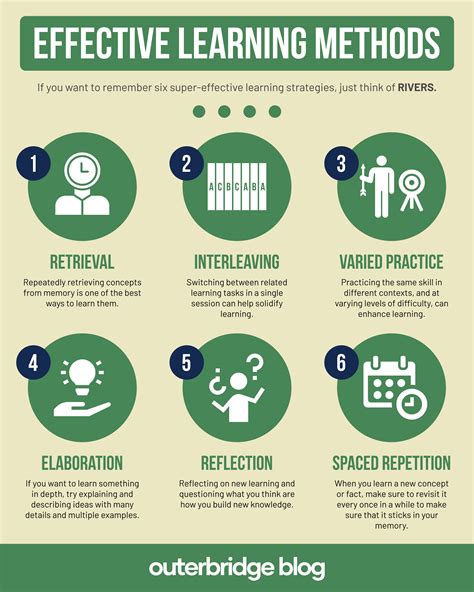
Conclusion: Empowering New Explorers
Beginner game guides are more than just instruction manuals; they are navigational tools that empower new players to quickly overcome initial hurdles and dive into the richness of a game world. By employing thoughtful simplification techniques—like chunking, analogies, visual aids, and practical, step-by-step explanations—guides transform potentially frustrating experiences into enjoyable learning curves. Ultimately, a well-crafted guide doesn’t just explain mechanics; it fosters confidence, enhances engagement, and paves the way for a more rewarding gaming journey for everyone.