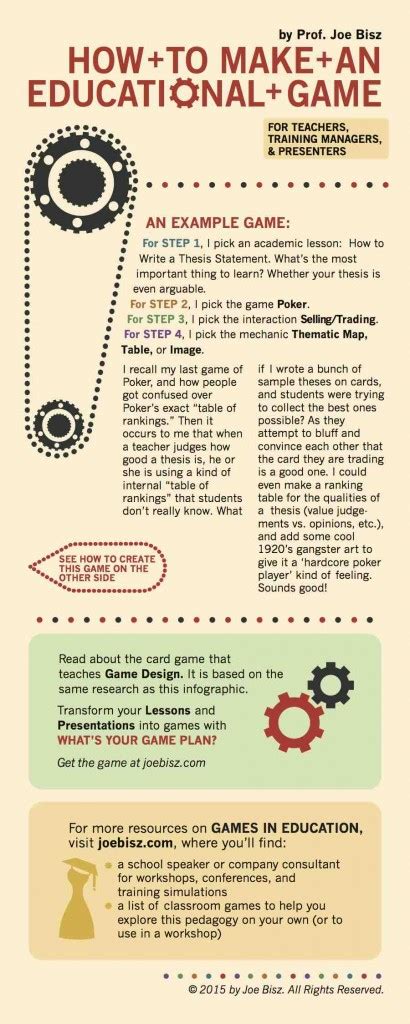
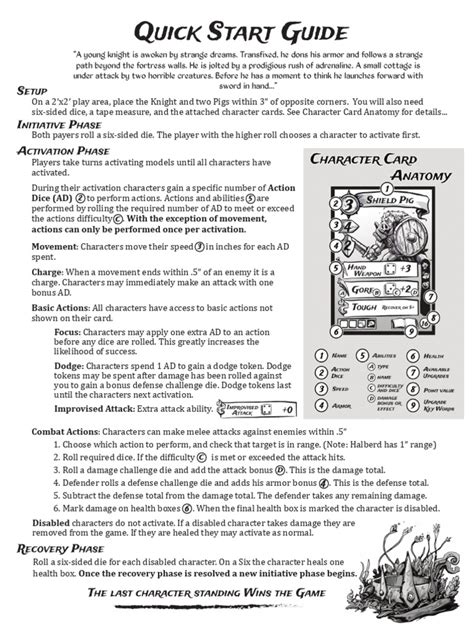
How can beginner game guides best simplify complex mechanics for new players?
Entering the world of a new video game can often feel like stepping into an entirely different universe, complete with its own language, rules, and physics. For many new players, especially those tackling genres with deep strategic elements or intricate control schemes, the initial learning curve can be steep. This is where well-crafted beginner game guides become indispensable tools, bridging the gap between confusion and competence. But how can these guides truly excel at demystifying complex mechanics without overwhelming the very players they aim to help?
Break It Down: The Art of Deconstruction
The first and most crucial step in simplifying any complex mechanic is to break it down into its fundamental components. Instead of presenting a sprawling skill tree or an elaborate combat system as a single entity, a good guide dissects it into manageable, understandable pieces. For example, a complex combat system might be explained by first detailing basic movement, then normal attacks, special abilities, resource management (mana, stamina), and finally, how these elements combine in a sequence.

This deconstructive approach prevents information overload. Each piece can be understood in isolation before being reassembled into the complete picture. Guides should introduce one concept at a time, ensuring the player grasps it before moving on to the next related mechanic.
Visual Aids and Practical Examples Are Key
Humans are inherently visual learners, and nowhere is this more true than in understanding dynamic systems like those found in games. Static text, no matter how well-written, often falls short when explaining movement patterns, timing-based actions, or spatial relationships. Effective guides heavily rely on visual aids.
- Screenshots with annotations: Pointing directly to UI elements, enemy weaknesses, or environmental hazards can clarify instructions instantly.
- Diagrams and flowcharts: Illustrating decision trees for character builds, quest paths, or resource generation cycles makes abstract concepts tangible.
- Short animated GIFs or video links (conceptual in guide): While actual videos aren’t part of this output, the concept of showing “how to” through dynamic examples is vital. A guide can describe what to look for in such a visual.
Beyond visuals, providing practical, step-by-step examples that players can follow in-game reinforces understanding. Instead of just explaining a “parry” mechanic, demonstrate the exact timing and button sequence against a specific enemy. This hands-on, learn-by-doing approach solidifies theoretical knowledge.

Progressive Learning and Contextualization
A common pitfall for beginner guides is dumping too much information upfront. The best guides adopt a progressive learning curve, mirroring how a game itself might introduce mechanics. They introduce basic concepts first, allowing players to practice and gain confidence, then gradually layer on more advanced techniques or nuances.
Furthermore, contextualizing mechanics is essential. Explaining why a particular mechanic is important or when it should be used adds significant value. For instance, explaining a character’s “crowd control” ability isn’t just about listing its effects, but explaining how it’s best used to manage groups of enemies or interrupt powerful boss attacks. This shifts the focus from rote memorization to strategic application.

Leveraging Analogies and Familiar Concepts
When a game introduces truly novel mechanics, connecting them to real-world concepts or mechanics from other popular games can significantly reduce the cognitive load for new players. For example, explaining a “crafting system” by comparing it to cooking recipes, or a “cover system” by likening it to taking shelter behind obstacles, can provide an immediate frame of reference.
This technique helps bridge the unfamiliar with the familiar, allowing players to grasp the core idea quickly, even if the implementation is slightly different. However, guides must be careful not to rely too heavily on analogies that might alienate players unfamiliar with the referenced concept.
Addressing Common Pitfalls and FAQs
Anticipating where new players might struggle is a hallmark of an exceptional guide. Including sections on “Common Mistakes,” “Troubleshooting,” or “Frequently Asked Questions” directly addresses potential frustrations. This proactive approach saves players time and prevents them from abandoning the game out of confusion.
Such sections can cover anything from optimal early-game strategies, managing specific resources, or understanding subtle UI cues that are often overlooked. Providing solutions to these common stumbling blocks reinforces the guide’s value and helps build player confidence.

Conclusion: Empowering the New Player
Ultimately, the goal of a beginner game guide is not just to transfer information, but to empower new players to enjoy and master the game. By employing strategies such as deconstruction, rich visual aids, progressive learning, contextualization, relatable analogies, and proactive problem-solving, guides can transform daunting complex mechanics into exciting challenges. An effective guide doesn’t just explain; it educates, encourages, and enables players to confidently embark on their gaming journey, turning potential frustration into lasting engagement.