How can beginner game guides avoid overwhelming new players with too much jargon?

Gaming can be an incredibly rewarding hobby, but for newcomers, the initial dive can feel like being dropped into an alien world. A significant barrier to entry often comes in the form of game guides that, while well-intentioned, are laden with technical jargon and niche terminology. These terms, second nature to veterans, can overwhelm and alienate new players, turning excitement into frustration. The challenge for guide creators is clear: how do we break down complex concepts without sounding condescending or oversimplifying to the point of uselessness?
Why Jargon Overwhelms New Players
Imagine reading a recipe that constantly refers to “brunoise,” “mise en place,” and “deglazing” without explanation, assuming you’re a seasoned chef. That’s often how new gamers feel. Terms like “DPS,” “aggro,” “buffs/debuffs,” “AOE,” “tanking,” “kiting,” or “meta” are thrown around casually. These aren’t just obscure words; they often represent fundamental game mechanics or strategic approaches that are crucial to understanding gameplay. When a guide fails to define or contextualize them, it creates a steep learning curve and a sense of exclusion.
Strategies for Jargon-Free Beginner Guides
Define Terms Gradually and Contextually
The most straightforward approach is to define jargon as it appears. However, doing this excessively can make the guide feel clunky. A better method is to introduce terms only when they become relevant to the current topic and provide a concise, easy-to-understand explanation immediately. For example, when discussing combat, explain “DPS” (Damage Per Second) as the rate at which your character deals damage, and why it matters for defeating enemies quickly, rather than just stating “maximize your DPS.”
Use Analogies and Real-World Comparisons
Humans learn best when they can connect new information to existing knowledge. Analogies are powerful tools for this. Explaining “aggro” as a monster’s attention, much like a bull charging at a red flag, makes the concept instantly relatable. Describing a “buff” as a temporary power-up, similar to an athlete drinking an energy drink, helps new players grasp its function without needing deep game knowledge.
Prioritize Visuals and Demonstrations
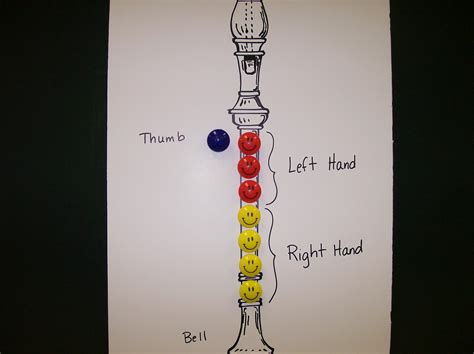
A picture is worth a thousand words, especially when dealing with abstract game mechanics. Instead of just describing how to “kite” (lure enemies while attacking from a distance), show a short animated GIF or a series of screenshots demonstrating the movement and attack pattern. Visual aids can instantly convey information that would take paragraphs of text to explain, cutting through jargon barriers more effectively.
Employ a “Glossary on Demand” or Progressive Revelation
For terms that might appear frequently or that players might forget, consider creating an optional, easily accessible glossary. This could be a linked section within the guide, a hover-over tooltip in an interactive digital guide, or a simple “Key Terms” sidebar. The goal is to provide explanations when needed, without forcing every reader through a dense list of definitions upfront. This allows advanced readers to skip, while beginners can dive deeper.

Keep Explanations Concise and Action-Oriented
New players primarily want to know what they need to do to succeed. Focus explanations on the practical application of jargon. Instead of a theoretical explanation of “resource management,” explain how managing your “mana” (magic points) prevents you from running out of spells during a fight. Every definition should ideally connect back to a player action or an in-game outcome.
Structure Information Logically with Incremental Learning
Avoid dumping all essential terms at once. Structure your guide to introduce concepts incrementally, building on previously explained ideas. Think of it like a tutorial level in a game – each new mechanic is introduced one at a time, practiced, and then integrated into more complex scenarios.
Encourage Interaction and Practice
The best way to demystify jargon is through direct experience. If your guide accompanies an in-game tutorial, ensure it allows players to immediately practice the mechanics associated with new terms. For standalone guides, suggest specific in-game scenarios or early-game activities where players can put newly learned jargon into practice. This experiential learning cements understanding far better than rote memorization.
The Benefits of Clear Communication
By consciously minimizing and clarifying jargon, game guide creators don’t just help new players; they enhance the entire gaming community. Clear, accessible guides lead to greater player retention, foster a more welcoming environment, and ultimately make games more enjoyable for everyone. New players who feel understood and empowered are more likely to stick around, explore deeper mechanics, and even become future veterans themselves.

Creating beginner game guides requires empathy and a deliberate effort to step into the shoes of someone completely unfamiliar with the game’s world. By defining terms contextually, using relatable analogies, prioritizing visuals, offering optional glossaries, and structuring information progressively, guide writers can transform potential frustration into genuine enjoyment. The goal isn’t to eliminate jargon entirely, but to manage its introduction gracefully, ensuring that every new player feels equipped, not overwhelmed, to embark on their gaming adventure.