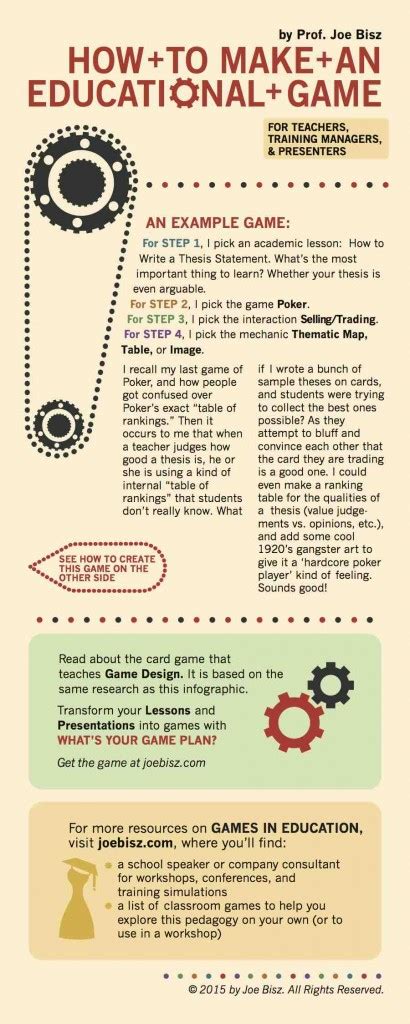
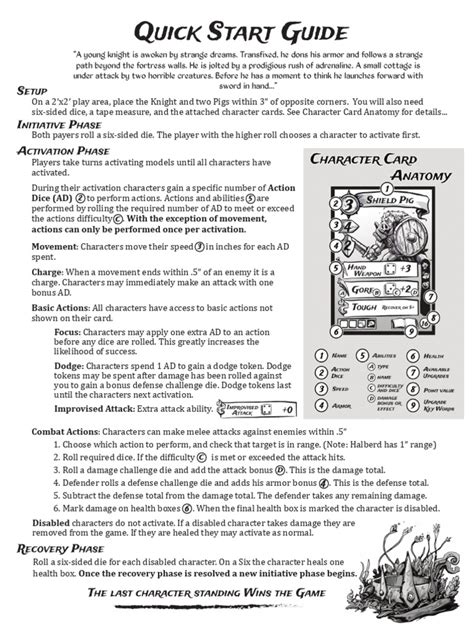
For new players, how can beginner game guides best explain core mechanics without spoilers?
The Delicate Art of Spoiler-Free Instruction
For new players, the initial hours of a game are a sacred journey of discovery. A well-crafted beginner’s guide can be an invaluable companion, helping them grasp fundamental controls and concepts. However, the line between helpful instruction and accidental spoiler is incredibly fine. The key lies in explaining *how* the game works, without revealing *what* the game holds in store.
Focusing on Core Interaction Loops
The most effective guides zero in on the absolute essentials: movement, basic combat, inventory management, and interaction with the environment. Instead of detailing specific enemy encounters or quest lines, explain the *system* behind them. For instance, rather than describing “how to defeat the first boss,” focus on “how to use basic attack combos and dodge mechanics.”
This approach empowers players with the foundational knowledge to tackle any challenge the game presents, rather than providing a prescriptive solution for a single instance. It’s about teaching them to fish, not giving them a fish.
Abstracting Mechanics: The ‘How’ vs. The ‘What’
Explaining Systems, Not Story Beats
When discussing mechanics like crafting, resource gathering, or character progression, guides should articulate the underlying principles. Explain *that* you can combine materials to create new items, or *that* leveling up grants new abilities. Avoid specifics like “craft the Sword of Seraphim from three Starlight Ore” or “at level 10, you unlock the powerful ‘Dragon’s Breath’ spell.”
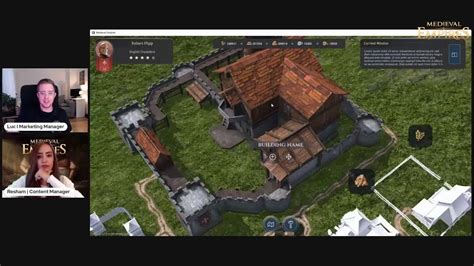
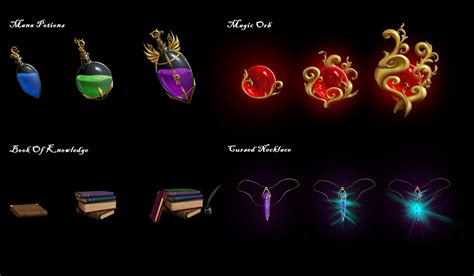
Use generic placeholders or early-game, non-plot-critical examples. If a guide needs to show an interface, use screenshots from the very first moments of the game, or even conceptual mock-ups that don’t reveal later-game assets or UI elements. The goal is to demystify the system without unveiling its potential.
Leveraging Generic Scenarios and Analogies
To illustrate a point without spoilers, guides can employ hypothetical scenarios or real-world analogies. For example, when explaining a stealth mechanic, instead of “sneak past the guard patrols in the Shadowfang Keep,” use “imagine you need to avoid detection by patrolling enemies; here’s how the line-of-sight and sound mechanics work.”
Analogies help bridge the gap between an unfamiliar game system and a player’s existing understanding. Comparing a stamina bar to a smartphone battery, for instance, immediately conveys the concept of limited usage and recharge without needing specific game examples.
The Importance of ‘Why’
Beyond explaining *how* a mechanic works, guides should briefly touch upon *why* it’s important. Understanding the purpose behind resource gathering (to craft, upgrade, or trade) or combat rolls (to avoid damage, reposition) reinforces its value without detailing specific outcomes. This contextualizes the mechanic within the broader game experience, helping players prioritize their learning.
Progressive Revelation and Hinting at Depth
A great guide can hint at the depth of a game without fully exposing it. Phrases like “As you progress, you’ll discover more advanced applications for these abilities,” or “Different enemy types may require varied tactical approaches” encourage exploration without giving away specific challenges or solutions. This respects the player’s journey of discovery while still providing a roadmap for what to expect.

Practical Tips for Guide Writers
- Use Non-Specific Language: Replace proper nouns (character names, locations, specific item names) with generic terms (e.g., “a powerful enemy,” “the starting area,” “a rare material”).
- Avoid Lore and Story Elements: Stick strictly to mechanics. Do not introduce character backstories, plot points, or factional conflicts.
- Focus on Early-Game UI and Assets: If screenshots are necessary, ensure they depict only the earliest, most generic game elements. Blur or obscure any potentially revealing details.
- Emphasize Player Agency: Frame explanations around what the *player can do* and *how they can interact*, rather than what the *game will present* to them.
- Test for Spoilers: Have someone unfamiliar with the game read the guide to catch any unintended revelations.
Conclusion: Empowering Discovery
Ultimately, a beginner game guide’s primary role is to empower new players, not to play the game for them. By focusing on fundamental mechanics, abstracting concepts, using generic examples, and emphasizing the ‘why’ behind systems, guides can effectively onboard players without robbing them of the joy of personal discovery. This approach ensures that while players learn the ropes, the game’s world, story, and challenges remain fresh and exciting to uncover.