For new games, how do you introduce core mechanics in a beginner guide without overwhelming players?
The Delicate Art of Onboarding: Why Less is Often More
Stepping into a new game can be exciting, but also daunting. For developers, the challenge lies in teaching players the fundamental rules and actions—the core mechanics—without drowning them in a sea of information. An effective beginner guide doesn’t just list controls; it thoughtfully introduces systems, fostering a sense of mastery and encouraging continued play.
Overloading new players with too many concepts too soon is a primary reason for early game abandonment. The goal is to create a smooth learning curve, making the initial experience enjoyable rather than frustrating.
Pacing is Paramount: Start Simple, Build Gradually
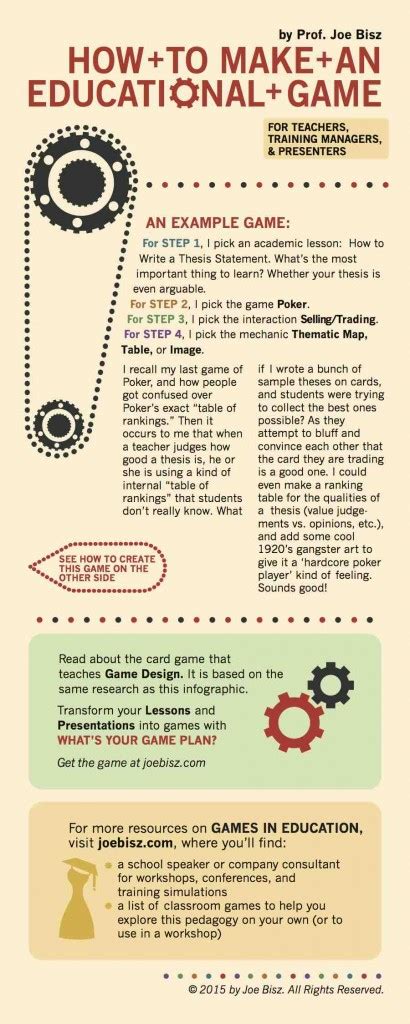
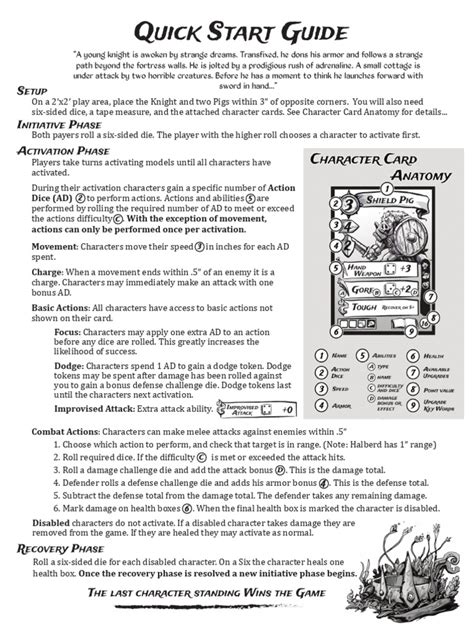
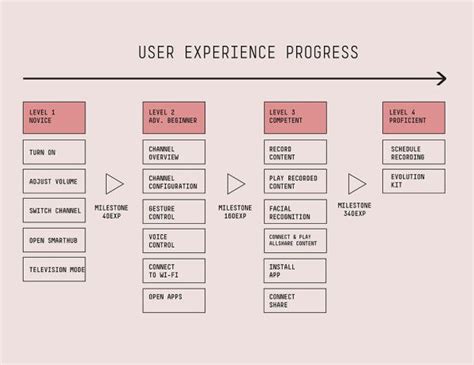
One of the most effective strategies is progressive disclosure. Instead of dumping all mechanics at once, introduce them incrementally. Begin with the absolute essentials: movement, basic interaction, and the primary objective. Once these are understood and practiced, layer on secondary mechanics, abilities, or more complex systems.
Practical Application:
- Guided First Steps: Design the very first mission or level to focus solely on movement and a single core action.
- Contextual Introduction: Introduce new mechanics only when they become necessary or relevant to the current situation. For instance, a crafting system can be introduced when the player needs a specific item that can only be crafted.
Show, Don’t Just Tell: Hands-On Learning
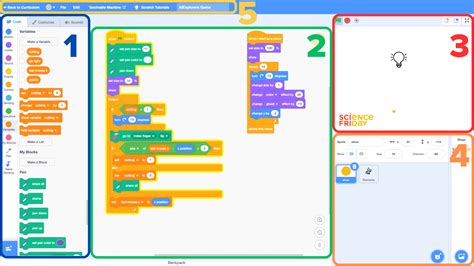
Reading long text boxes about how to jump or use an ability is far less effective than actually doing it. Integrate learning directly into gameplay. This could involve interactive prompts, simple challenges, or sections where the player *must* use a new mechanic to progress.
Allow players to experiment within a safe, low-stakes environment. Provide opportunities for immediate feedback on their actions, so they can understand the consequences and refine their understanding.
Contextualize Everything: The “Why” Behind the “How”
Players are more likely to retain information if they understand its purpose. Explain *why* a mechanic is important or what problem it solves. Is this new ability essential for defeating a specific enemy type? Does this UI element provide critical information for survival?
Frame mechanics within the narrative or game world. For example, “To survive the harsh wilds, you’ll need to gather resources and craft tools,” rather than just, “Press ‘C’ to craft.”
Chunk Information and Use Clear Language
Break down complex mechanics into smaller, digestible chunks. Use clear, concise language free of jargon where possible. If jargon is unavoidable, explain it simply the first time it’s introduced.
Tips for Clarity:
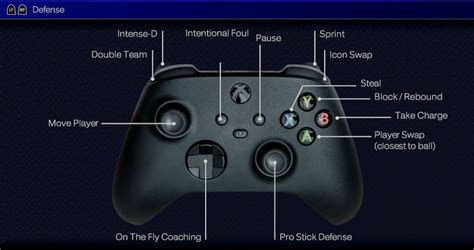
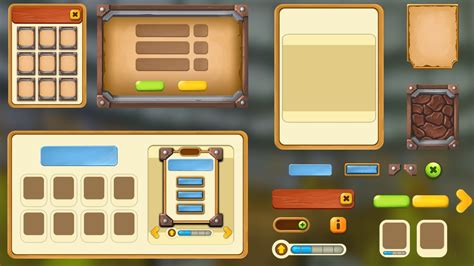
- Visual Aids: Use icons, highlighted UI elements, and short animated demonstrations.
- Short Prompts: Keep on-screen tutorial prompts brief and to the point.
- Accessibility: Offer options for players to revisit tutorials or access a comprehensive in-game glossary.
Provide Safety Nets and Reassurance
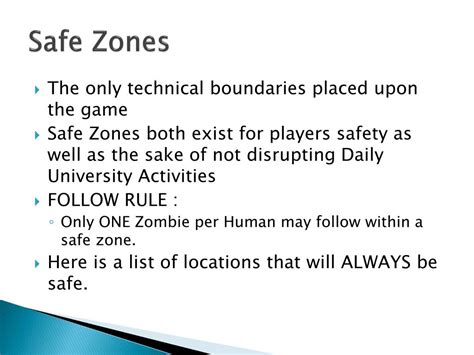
New players will make mistakes. Design the early game to be forgiving. Allow for undo actions, quick restarts, or provide ample resources to recover from errors. Reassure players that experimentation is encouraged and that failures are part of the learning process.
Offering a “training dummy” or a sandbox area where players can practice new skills without pressure can significantly boost confidence.
Conclusion: Building a Foundation for Engagement
A well-crafted beginner guide is more than just a checklist of instructions; it’s the gateway to a player’s long-term engagement. By prioritizing gradual introduction, hands-on learning, clear communication, and a supportive environment, developers can transform the potentially overwhelming initial hours into a compelling and enjoyable foundation. When players feel competent and capable from the outset, they are far more likely to delve deeper into the game’s complexities and become loyal enthusiasts.