F2P: Which early-game hooks boost paid conversion?
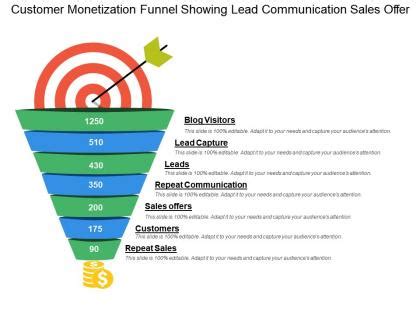
In the vast and ever-growing Free-to-Play (F2P) market, the journey from a casual player to a paying customer is a delicate dance. While long-term engagement and content updates are vital, the initial hours of gameplay often dictate whether a player will ever open their wallet. This critical early-game window is where carefully designed ‘hooks’ can make all the difference, subtly nudging players towards their first in-app purchase (IAP) and setting the stage for future monetization.
The Critical Window: Why Early Game Matters
The first few sessions in an F2P game are formative. Players are exploring mechanics, assessing the fun factor, and implicitly evaluating the game’s value proposition. It’s during this period that their perception of the game’s economy, its fairness, and the benefits of spending money are shaped. A positive first purchase experience can break down the psychological barrier to spending, making subsequent purchases more likely. Conversely, a missed opportunity or a poorly executed hook can solidify a player’s F2P-only mindset.
Proven Early-Game Hooks for Conversion
1. Irresistible Starter Bundles and First-Time Offers
One of the most effective ways to convert early-game players is through high-value, limited-time starter packs. These bundles typically offer a significant amount of premium currency, rare items, or powerful characters at a heavily discounted price, often positioned as a one-time opportunity. The perceived value vastly outweighs the small initial cost, making it an easy decision for players to take the plunge. The key is to make the initial price point low enough (e.g., $0.99 – $4.99) to minimize commitment friction, yet substantial enough in terms of perceived benefit.
2. Convenience and Time-Saving Mechanisms
Many F2P games involve a degree of grinding or waiting. Early in the game, when players are eager to progress and explore, offering options to bypass these time sinks can be a strong hook. This could include instant build timers, energy refills, experience boosters, or resource packs. The hook here isn’t just about impatience; it’s about providing a taste of accelerated progression and a smoother gameplay experience, demonstrating the tangible benefits of spending.

3. Exclusive Cosmetics and Personalization
For players who value self-expression, cosmetic items like unique skins, emotes, or profile decorations can be a powerful draw. Offering a desirable, exclusive cosmetic item early on, perhaps tied to a small first purchase or a battle pass, can appeal to players’ desire to stand out or personalize their experience. This hook works particularly well when the cosmetic is visually appealing and highly visible to other players, leveraging social recognition.
4. “Pay-to-Progress” or “Pay-for-Power” (Carefully Implemented)
While often controversial, offering direct power advantages, if handled correctly, can convert a segment of players. This might include access to slightly stronger characters, weapons, or abilities that give a noticeable (but not game-breaking) edge. The key is to ensure these options don’t create a perceived ‘pay-to-win’ scenario that alienates the wider player base. Instead, they should feel like a convenient boost for those who wish to accelerate their journey or overcome a specific early-game challenge.
5. Scarcity, Urgency, and Battle Passes
Introducing elements of scarcity and urgency early on can prompt purchases. Limited-time offers, daily deals, or rotating storefronts create a fear of missing out (FOMO). Battle Passes, which offer a free track and a premium track with superior rewards, are another potent early-game hook. By making some desirable rewards on the premium track visible and achievable within the player’s current progression, it encourages them to buy the pass to unlock those benefits before the season ends.
The Psychological Underpinnings
These early-game hooks tap into several psychological principles:
- Loss Aversion: Players are more motivated to avoid losing something (like a limited-time deal) than to acquire something new.
- Endowment Effect: Once players acquire something, even a virtual item, they tend to value it more. A first purchase, however small, creates an initial investment.
- Reciprocity: If the game feels generous early on (e.g., a truly high-value starter pack), players may feel a subconscious urge to reciprocate.
- Instant Gratification: The desire to immediately enjoy benefits without waiting or grinding.
Best Practices for Implementation
- Contextual Delivery: Present offers at opportune moments – after a progression milestone, when a player faces a new challenge, or right after they’ve felt a strong positive emotion from gameplay.
- Clear Value Proposition: Ensure players clearly understand what they’re getting and why it’s a good deal. Avoid confusing currency conversions.
- Non-Intrusive Design: While prominent, offers shouldn’t disrupt the core gameplay experience or feel overly aggressive.
- Iterate and Test: Continuously A/B test different offers, price points, and presentation methods to optimize conversion rates.
- Ethical Monetization: Always prioritize player experience. Hooks should enhance the game, not exploit players.
Conclusion
Boosting paid conversion in F2P games begins with a strategic approach to the early game. By understanding player psychology and carefully designing hooks that offer compelling value, convenience, or unique expression, developers can effectively guide players from free participation to valuable engagement. The first purchase is a significant milestone, and by making that step appealing and rewarding, games can cultivate a loyal base of paying customers for the long haul.