F2P mobile games: how to find quality titles avoiding pay-to-win traps?

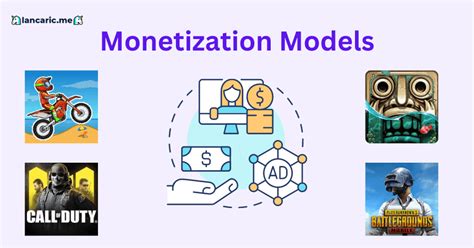
The mobile gaming landscape is dominated by free-to-play (F2P) titles, offering instant access to entertainment without an upfront cost. While many F2P games provide rich, engaging experiences, others are cleverly designed to pressure players into spending money, often creating frustrating “pay-to-win” (P2W) scenarios. The challenge for players is to distinguish between genuinely enjoyable F2P games and those that prioritize monetization over player satisfaction.
Understanding the F2P Landscape
F2P models aren’t inherently bad. Many developers use them to build sustainable games that can be enjoyed by a wider audience, offering optional cosmetics or quality-of-life improvements for purchase. However, the dark side emerges when core gameplay progression is severely hampered or made impossible without significant financial investment, creating an uneven playing field for those unwilling or unable to pay. Understanding this distinction is the first step towards a better mobile gaming experience.

Key Indicators of a Quality F2P Game
Identifying a high-quality F2P game involves looking beyond the initial download. A truly good F2P title respects your time and offers a complete experience even if you never spend a dime. Look for games where:
- Progression is Meaningful: You can advance through skill, strategy, or consistent effort, not just by opening your wallet.
- Monetization is Fair: Purchases are typically cosmetic, offer conveniences, or provide optional content that doesn’t create an unfair competitive advantage.
- Developer Communication: Active developers who listen to player feedback and regularly update the game with new content, balancing changes, and bug fixes often indicate a commitment to long-term quality.
- Strong Community: A passionate player base is a good sign, often indicating a game that fosters engagement and provides lasting appeal.
Spotting and Avoiding Pay-to-Win (P2W) Traps
Pay-to-win mechanics can be subtle or blatant. Here are common P2W traps and how to identify them:
- Energy/Stamina Systems: While not always P2W, if energy refreshes are excessively slow and required for most gameplay, forcing you to pay to continue playing, it’s a red flag.
- Premium Currency for Power: If the best gear, characters, or upgrades are locked behind premium currency that is scarce in free progression but abundant for purchase, it’s a strong indicator.
- Time Gates: Progress that is artificially slowed down with timers (e.g., building upgrades, research) that can be instantly skipped with premium currency creates a “pay-to-skip” environment, which often leads to P2W.
- Unfair PvP: In competitive games, if paying players consistently dominate due to stat advantages from purchased items or characters, the game is heavily P2W.
Before investing significant time, try to play for a few hours, ideally reaching mid-game content, to gauge how essential spending money becomes for enjoyable progression.

Research Strategies for Savvy Players
Don’t rely solely on app store ratings, which can be manipulated. Instead, employ these research tactics:
- Read Recent Reviews: Filter reviews by “most recent” to see if the game has changed for better or worse over time. Look for detailed reviews that discuss monetization.
- Watch Gameplay Videos: YouTube and Twitch are invaluable. Watch experienced players to see late-game content and understand the grind or competitive meta.
- Consult Gaming Forums and Communities: Subreddits, dedicated forums, and Discord servers often provide unfiltered opinions from veteran players about a game’s monetization and long-term viability.
- Check Developer’s History: A developer with a track record of fair F2P games is generally a safer bet than one known for aggressive monetization.

Red Flags and Green Lights
To quickly assess a game:
Red Flags:
- Excessive pop-up ads and constant “deal” offers.
- Mandatory ads for basic functions or rewards.
- Game progress feels impossible without paying.
- High-priced bundles for essential items.
Green Lights:
- Optional, non-intrusive ads for bonus rewards.
- Cosmetic-focused in-app purchases.
- Clear pathways for free progression, even if slower.
- Developers actively engaging with the community and addressing concerns.
Conclusion
Finding quality F2P mobile games requires a discerning eye and a bit of homework, but it’s a rewarding endeavor. By understanding common monetization tactics, scrutinizing player feedback, and prioritizing games that respect your time and offer genuine value, you can navigate the F2P landscape successfully. Empower yourself to choose games that provide pure entertainment, free from the frustration of pay-to-win pressures, and enjoy a truly satisfying mobile gaming experience.