Effective strategies for managing kids’ daily game screen time?

Navigating the Digital Playground: Managing Kids’ Game Screen Time
In today’s digitally saturated world, video games have become an undeniable part of childhood. While they offer entertainment and even educational benefits, managing daily game screen time for kids can be a significant challenge for parents. Striking the right balance is crucial for fostering healthy development, academic success, and overall well-being. This guide offers practical, effective strategies to help you establish sensible screen time habits in your home.
Setting Clear Boundaries and Expectations
The first step towards effective screen time management is establishing clear, consistent rules. Involve your children in the discussion to foster a sense of ownership and understanding. Decide on specific daily or weekly time limits for gaming, and communicate these expectations explicitly. Consider using visual timers or chore charts that include screen time as a reward for completed tasks.
It’s also beneficial to designate ‘screen-free’ zones or times, such as during meals, family time, or an hour before bedtime. This helps ensure that screen time doesn’t displace essential activities like sleep, homework, or face-to-face interaction.
Prioritizing Quality Over Quantity
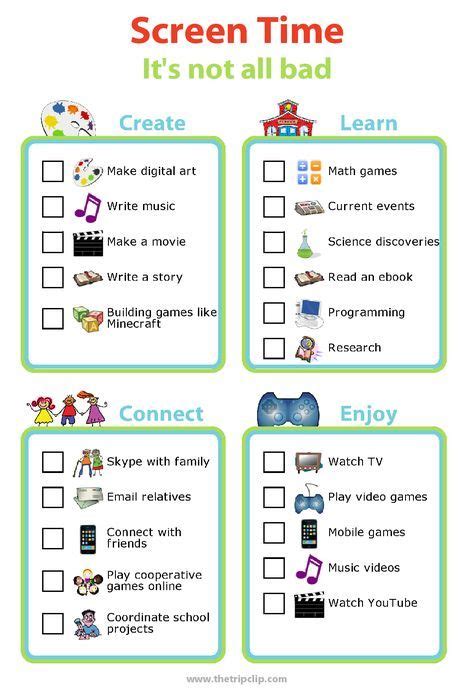
Not all screen time is created equal. Encourage games that are educational, promote problem-solving, creativity, or physical activity (like active gaming systems). Discuss with your children what they’re playing and why they enjoy it. Co-playing with them occasionally can provide insight into their digital world and create bonding opportunities.
Understanding the content helps you guide them towards more beneficial experiences. Aim for a balance where passive consumption is limited, and interactive, engaging content is favored.
Leading by Example and Offering Alternatives
Children are excellent imitators. Your own screen habits significantly influence theirs. Be mindful of your phone usage during family time and demonstrate a healthy relationship with technology. Show them that there’s a vibrant world beyond screens by engaging in non-digital activities.
Encourage a variety of alternatives: reading books, playing board games, outdoor sports, creative arts, or simply imaginative play. Make these alternatives appealing and readily available. When children have engaging options, they are less likely to default to screens out of boredom.

Utilizing Technology for Management
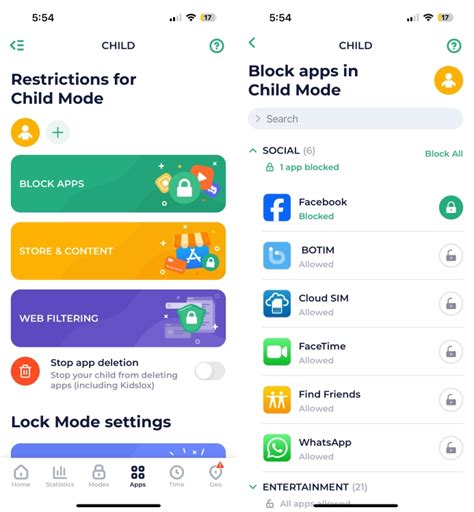
Modern technology offers tools that can support your screen time management efforts. Most gaming consoles, smart devices, and operating systems have built-in parental controls that allow you to set time limits, filter content, and schedule screen-free periods. Explore third-party apps designed for family screen time management, which can offer more comprehensive features.
Fostering Open Communication and Flexibility
Maintain an open dialogue with your children about screen time. Explain the ‘why’ behind the rules – focusing on health, learning, and family well-being rather than just prohibition. This helps them understand the rationale and develop self-regulation skills.
While consistency is important, be prepared to be flexible. There might be special occasions, holidays, or specific educational projects that warrant temporary adjustments to screen time limits. Discuss these exceptions beforehand to avoid confusion and resentment.

Consistency and Consequences
Consistency is the cornerstone of any effective parenting strategy. Once rules are established, enforce them consistently. Children thrive on predictability. If rules are regularly bent or ignored, they lose their impact.
Clearly define consequences for breaking screen time rules, and ensure these consequences are fair, proportionate, and consistently applied. This teaches accountability and helps children internalize boundaries. Conversely, acknowledge and reward adherence to rules to reinforce positive behavior.

Conclusion
Managing kids’ daily game screen time is an ongoing process that requires patience, communication, and adaptability. By setting clear boundaries, prioritizing quality content, offering engaging alternatives, utilizing available technology, and fostering open dialogue, parents can guide their children toward a healthy, balanced relationship with technology. The goal isn’t to eliminate screens, but to integrate them responsibly into a rich and varied childhood.