Digital vs. physical Switch games: which saves money & storage long term?
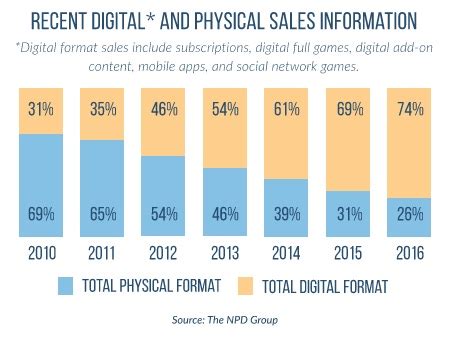
For every Nintendo Switch owner, a recurring decision looms large: do you buy your games digitally from the eShop or opt for the tangible game cartridges? This choice isn’t merely about preference; it has significant long-term implications for your wallet and how you manage your ever-growing game library. Let’s dive deep into the pros and cons of both approaches to determine which truly offers the best value and convenience.

The Tangible Appeal of Physical Games
Physical Switch games, arriving as small cartridges, offer a traditional sense of ownership that many gamers appreciate. A primary advantage is their potential for resale. Once you’re done with a game, you can often sell it to a friend, trade it in at a store, or list it online, recouping a portion of your initial investment. This effectively reduces the net cost of playing the game.
Beyond resale, physical games don’t hog precious internal console storage or require large downloads, saving your internet bandwidth and ensuring you can play immediately after purchase (barring updates). They also serve as collectible items, often accompanied by attractive box art, appealing to those who enjoy curating a physical library.
However, physical games come with their own set of drawbacks. You need to physically carry and swap cartridges, which can be inconvenient, especially for on-the-go play. Cartridges can be lost, damaged, or even swallowed by pets. Finding older or less popular titles can also become difficult as retailers clear stock.

The Convenience of Digital Downloads
Digital Switch games, purchased directly from the Nintendo eShop, offer unparalleled convenience. Once bought, they are tied to your Nintendo account, meaning you can redownload them anytime on any Switch console linked to your account. There’s no need to carry cartridges; your entire library is instantly accessible from your console’s home screen, perfect for travel or seamless game-hopping.
Digital games also benefit from frequent sales, often at significant discounts, and pre-loading options that allow you to play immediately upon release. You’re never at risk of a game going out of stock, and many indie titles are exclusively available digitally. Plus, no more clutter from game cases!
The main downsides include the complete lack of resale value – once you buy it, it’s yours forever, whether you like it or not. Digital games also demand significant console storage, necessitating a high-capacity microSD card, especially for larger AAA titles. Initial downloads can be substantial and require a stable internet connection.

Storage Considerations: Who Wins the Space Race?
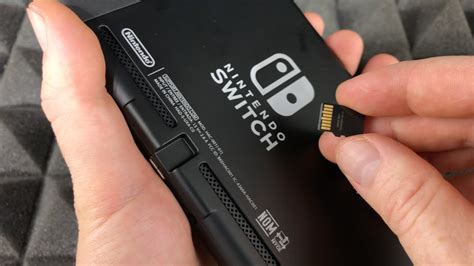
When it comes to storage, the battle is nuanced. Physical cartridges store the majority of game data themselves, meaning they use very little of your console’s internal memory or microSD card storage. However, some games may still require significant updates or DLC that will take up digital space. The trade-off is the physical space taken up by the cartridges and cases themselves.
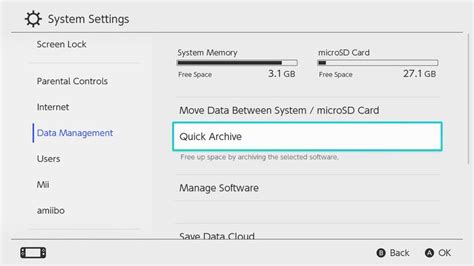
Digital games, conversely, are entirely stored on your console’s internal memory or, more realistically, on an expandable microSD card. Given that the Switch only has 32GB (or 64GB for OLED model) of internal storage, which is quickly eaten up by system files and a few games, a large microSD card (128GB, 256GB, or even 512GB+) is almost a necessity for digital-heavy gamers. While these cards are becoming more affordable, it’s an additional upfront cost.
Money Matters: The Long-Term Financial Impact
Determining which option saves more money long-term is complex. Physical games often appear cheaper initially, especially if you snag a sale or a pre-owned copy. Their biggest financial advantage is the resale market. Selling a game for half its purchase price after you’re done playing can significantly reduce your overall cost per game. Trade-in values, while lower, still offer a way to offset future purchases.
Digital games rarely offer a similar recoupment. While eShop sales can be enticing, the inability to sell a digital title means you bear the full cost indefinitely. However, digital sales can sometimes dip lower than physical copies, especially during major events. Also, subscription services like Nintendo Switch Online’s game library add value to the digital ecosystem, even if not directly related to new purchases.
Consider also the cost of accessories: a larger microSD card for digital gamers versus potentially more physical storage solutions (shelves, cases) for cartridge collectors.

The Verdict: Your Playstyle Dictates the Winner
Ultimately, there’s no single “better” option; the ideal choice depends on your individual priorities and gaming habits. If you value ownership, enjoy collecting, and want the option to recoup some costs, physical games are likely your preferred route. If convenience, instant access to your entire library, and a clutter-free environment are paramount, then digital games will serve you best, provided you invest in sufficient storage.
Many gamers find a hybrid approach works best, buying physical for big-ticket titles with strong resale value and digital for indie gems, convenience purchases, or games on deep discount. Whichever path you choose, understanding the long-term implications for your wallet and storage will help you make the most informed decision for your Nintendo Switch gaming journey.