Decoding game ratings: Practical guide to picking age-appropriate titles?

Navigating the Digital Playground: Why Game Ratings are Your Best Friend
In today’s digital age, video games are an integral part of many children’s lives. While they offer immense entertainment and developmental benefits, the sheer volume and variety of titles can be overwhelming for parents. How do you know if a game with a thrilling trailer is actually suitable for your seven-year-old, or if a popular online title contains content you’d rather your teenager avoid? The answer lies in understanding game ratings – powerful tools designed to provide clear, concise information about a game’s content and suitability.
Ignoring game ratings can lead to unexpected exposure to mature themes, graphic violence, strong language, or other content that might be inappropriate for a child’s age and emotional maturity. As parents, understanding these systems is not about restricting fun, but about making informed choices that protect our children and foster a positive gaming environment.

Decoding the Major Rating Systems
Globally, several key organizations are responsible for rating video games. While their symbols and age categories may differ, their core mission remains the same: to inform consumers about content. Here are the two most prominent systems:
ESRB (Entertainment Software Rating Board) – North America
The ESRB assigns ratings to games sold in the U.S. and Canada, providing an age recommendation and content descriptors. The main ratings are:
- EC (Early Childhood): Content for ages 3 and older. May contain minimal cartoon, fantasy or mild violence and/or infrequent use of mild language.
- E (Everyone): Content for ages 6 and older. May contain minimal cartoon, fantasy or mild violence and/or infrequent use of mild language.
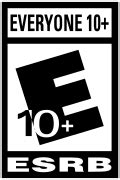
- E10+ (Everyone 10+): Content for ages 10 and older. May contain more cartoon, fantasy or mild violence, mild language, and/or minimal suggestive themes.
- T (Teen): Content for ages 13 and older. May contain violence, suggestive themes, crude humor, minimal blood, simulated gambling, and/or infrequent use of strong language.
- M (Mature): Content for ages 17 and older. May contain intense violence, blood and gore, sexual content, and/or strong language.
- AO (Adults Only): Content for ages 18 and older. May include prolonged scenes of intense violence, graphic sexual content, and/or gambling with real currency.
Beyond the age rating, ESRB also uses Content Descriptors (e.g., Blood, Fantasy Violence, Strong Language, Sexual Themes, Use of Alcohol) that specify the exact elements contributing to the rating.
PEGI (Pan European Game Information) – Europe
PEGI ratings are used across most of Europe and are based on the age suitability of a game, not the difficulty. The main ratings are:
- PEGI 3: Suitable for all age groups.
- PEGI 7: Suitable for ages 7 and over.
- PEGI 12: Suitable for ages 12 and over.
- PEGI 16: Suitable for ages 16 and over.
- PEGI 18: Suitable for adults only.
PEGI also uses Content Descriptors (e.g., Violence, Bad Language, Fear, Sex, Drugs, Gambling, Discrimination, Online Purchases) represented by icons, which clarify the specific type of content present in the game.
Beyond the Age Label: Practical Steps for Parents
While age and content descriptors are excellent starting points, a truly informed decision often requires a little extra research:
- Read the Content Descriptors Carefully: Don’t just look at the age number. Two ‘T’ rated games can have vastly different content if one has ‘Fantasy Violence’ and another has ‘Suggestive Themes’ and ‘Strong Language’.
- Watch Gameplay Videos: Search for gameplay trailers or actual playthroughs on platforms like YouTube. Seeing the game in action can give you a much clearer picture of its tone, pace, and specific content.
- Play Together or Observe: If possible, play the game with your child or at least sit and watch them play. This is the best way to understand the game’s mechanics and narrative firsthand.
- Talk to Your Kids: Ask your children about the games they are interested in. Engage in conversations about why certain content might be inappropriate for their age or what they enjoy about specific games.
- Check Online Reviews: Consult reputable gaming review sites that often provide detailed breakdowns of game content, including any potentially controversial elements.

Making Informed Choices
Remember that game ratings are guidelines, not strict rules. Every child is different, and what might be acceptable for one ten-year-old might not be for another. Consider your child’s individual maturity level, sensitivities, and what your family considers appropriate.
The goal is to empower your child to enjoy gaming responsibly while ensuring their exposure to content is age-appropriate and aligns with your family’s values. By actively engaging with game ratings and taking a few extra steps, you can confidently guide your children through the vast world of video games, turning potential concerns into opportunities for shared fun and learning.
Conclusion
Decoding game ratings might seem like a daunting task at first, but with a little understanding and proactive research, it becomes a straightforward process. These systems are invaluable resources designed to help you make the best choices for your family. By utilizing ESRB, PEGI, and other rating systems, alongside your own judgment and open communication with your children, you can ensure their gaming experiences are not only fun but also safe and enriching. Happy gaming!