Decoding game ratings: choosing age-appropriate games?
Navigating the Digital Playground: Why Game Ratings are Essential
In today’s fast-paced digital world, video games are an integral part of many children’s lives. While they offer entertainment, cognitive benefits, and social interaction, the sheer volume and variety of games can be overwhelming for parents. A common dilemma is ensuring that the games our children play are suitable for their age and maturity level. This is where game ratings come into play, acting as crucial guides in the vast gaming landscape.
Understanding these rating systems is not just about adhering to a label; it’s about protecting children from potentially disturbing content, promoting healthy development, and fostering a safe gaming environment. As parents, becoming fluent in the language of game ratings empowers us to make informed decisions, ensuring our kids have positive and enriching gaming experiences.

Demystifying Game Rating Systems
Globally, various organizations are dedicated to rating video games based on their content. The most prominent systems include the Entertainment Software Rating Board (ESRB) in North America, the Pan European Game Information (PEGI) in Europe, and the Computer Entertainment Rating Organization (CERO) in Japan, among others. While their specific labels may differ, their core objective remains the same: to provide clear, concise information about a game’s content.
The ESRB System (North America)
- EC (Early Childhood): Content created for young children, typically ages 3 and up.
- E (Everyone): Content generally suitable for all ages. May contain minimal cartoon, fantasy or mild violence and/or infrequent use of mild language.
- E10+ (Everyone 10+): Content generally suitable for ages 10 and up. May contain more cartoon, fantasy or mild violence, mild language, and/or minimal suggestive themes.
- T (Teen): Content generally suitable for ages 13 and up. May contain violence, suggestive themes, crude humor, minimal blood, simulated gambling, and/or infrequent use of strong language.
- M (Mature): Content generally suitable for ages 17 and up. May contain intense violence, blood and gore, sexual content, and/or strong language.
- AO (Adults Only 18+): Content suitable only for adults. May include prolonged scenes of intense violence, graphic sexual content, and/or gambling with real currency.
Beyond the age rating, these systems also employ ‘content descriptors’ that detail specific elements within the game, such as ‘Animated Blood,’ ‘Fantasy Violence,’ ‘Sexual Themes,’ ‘Use of Alcohol,’ or ‘Strong Language.’ These descriptors offer a deeper dive into why a game received a particular age rating.

Beyond the Label: A Holistic Approach to Game Choices
While game ratings are invaluable, they represent a baseline. A child’s individual maturity, sensitivity, and the context of their gaming habits also play significant roles. Parents should consider several other factors when choosing games:
- In-Game Purchases (Microtransactions): Many games, even those rated E or E10+, include optional purchases for virtual items, currency, or cosmetic upgrades. This can lead to unexpected costs or encourage compulsive spending.
- Online Interactions: Multiplayer games often involve communicating with strangers. Even if the game itself is age-appropriate, exposure to unmoderated chat, cyberbullying, or inappropriate language from other players can be a concern.
- Time Commitment and Addiction Potential: Some games are designed to be highly addictive, with endless gameplay loops or daily rewards that encourage excessive screen time.
- Your Child’s Maturity: Two children of the same age might have vastly different emotional and cognitive maturity levels. A “T” rated game might be perfectly fine for one 13-year-old but overwhelming for another.

Practical Steps for Parents: Making Informed Decisions
Empowering yourself as a digital-age parent involves more than just glancing at a rating label. Here’s how to proactively ensure your children are engaging with appropriate gaming content:
- Research Before You Buy/Download: Don’t rely solely on the front-of-the-box rating. Use online resources like the ESRB or PEGI websites, read reviews from reputable gaming sites, and watch gameplay videos on platforms like YouTube to get a clearer picture of the content.
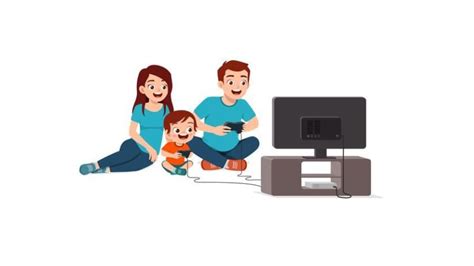
- Play Together or Watch Them Play: The best way to understand a game is to experience it yourself. Play alongside your child or simply observe their gameplay. This also opens opportunities for discussion about what they’re seeing and doing.
- Discuss and Communicate: Talk to your children about game ratings and why certain games might not be suitable. Explain the potential impact of violent or mature content. Encourage them to come to you if they encounter anything unsettling online.
- Utilize Parental Controls: Most gaming consoles, PCs, and mobile devices offer robust parental control settings. These allow you to restrict games by rating, limit screen time, manage in-game purchases, and control online interactions. Learn how to set them up and use them effectively.
- Be Flexible and Re-evaluate: As children grow, their interests and maturity levels change. What was inappropriate at age 8 might be acceptable at 12. Regularly re-evaluate game choices and adjust restrictions as needed.

Conclusion: Your Role as a Digital Guide
Decoding game ratings is an essential skill for modern parents. By understanding the systems, looking beyond the labels, and actively engaging in your child’s gaming world, you can transform a potential source of anxiety into an opportunity for growth, learning, and safe entertainment. Your proactive involvement is the most powerful tool in guiding your child through the digital landscape, ensuring their gaming experiences are not only fun but also age-appropriate and beneficial.