Beyond Steam, where are indie hidden gems best found & vetted?

Unearthing Digital Treasures Beyond the Obvious
In the vast, ever-expanding universe of video games, Steam stands as an undeniable behemoth, a digital marketplace so colossal it often feels like the only game in town. Yet, beneath its sprawling surface lies an ocean of independent creativity, a treasure trove of ‘hidden gems’ waiting to be discovered. These are the games that often fly under the mainstream radar, crafted by passionate developers and offering unique experiences you won’t find anywhere else. But with so much noise, how does one navigate beyond Steam’s algorithms to find and, crucially, vet these precious indie jewels?
The Lure of the Unseen: Why Look Beyond Steam?
While Steam offers unparalleled convenience and an immense library, its sheer volume can make true discovery a challenge. New releases are often buried within hours, and smaller, less marketed titles struggle to gain visibility. This over-saturation means many innovative and heartfelt projects never get the attention they deserve, lost in a sea of thousands.
Looking beyond Steam isn’t just about finding obscure titles; it’s about actively seeking out diverse voices, experimental gameplay, and genuinely unique artistic visions. It’s about supporting a broader ecosystem of creators who might not fit the mold of mainstream publishing, fostering innovation, and enriching the entire gaming landscape.

Discovering New Horizons: Key Platforms and Stores
Itch.io: The Indie Sanctuary
Perhaps the most prominent alternative for true indie discovery is Itch.io. This platform is built specifically for independent creators, offering unparalleled freedom in how games are presented and sold. You’ll find everything from experimental art projects and game jam entries to full commercial releases, often with pay-what-you-want options or available in charity bundles. Itch.io is a direct line to developers and a hub for the cutting edge of indie design.
GOG.com: DRM-Free Delights
While often associated with classic PC games, GOG.com (Good Old Games) has steadily grown its collection of new indie titles. Their commitment to DRM-free gaming makes them an attractive option, and their selection is often curated, meaning you’re more likely to find quality titles that have passed a certain benchmark, even if they’re not blockbuster hits.
Humble Store & Other Curated Marketplaces
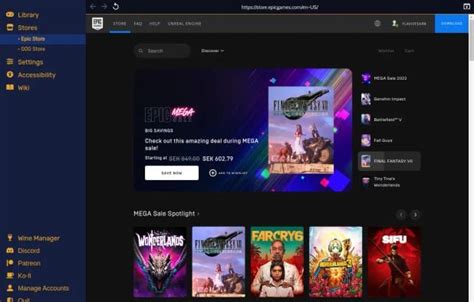
The Humble Store, known for its charity bundles, also offers a standalone storefront with a rotating selection of both major and indie titles. Their bundles are an excellent way to discover multiple games at a low price, often highlighting smaller developers. Additionally, digital storefronts like the Epic Games Store, Nintendo eShop, PlayStation Store, and Xbox Store all have dedicated indie sections that are constantly updated with curated selections, sometimes even featuring console exclusives.
Community-Powered Curation: Where Gamers Gather
Reddit & Discord: The Social Hubs
Beyond dedicated stores, the internet’s most active communities are goldmines for recommendations. Subreddits like r/IndieGaming, r/gamingsuggestions, and even genre-specific communities frequently feature passionate discussions about hidden gems. Discord servers, both official developer channels and larger gaming communities, are also excellent places to hear about emerging titles directly from players and creators.
YouTube & Twitch: Visual Explorations
Many content creators on YouTube and Twitch specialize in covering indie games. Channels dedicated to ‘hidden gems,’ ‘underappreciated indies,’ or specific niche genres can be invaluable. Watching gameplay and hearing genuine reactions can quickly tell you if a game’s style and mechanics align with your tastes, often before a purchase is even considered.
Dedicated Blogs & Gaming Media
While mainstream gaming news sites tend to focus on AAA releases, many excellent blogs and independent gaming publications are solely dedicated to indie games. Sites like Rock Paper Shotgun (with its indie tag), Indie Game Website, and countless smaller review sites provide in-depth analysis and highlight games that might otherwise be overlooked.

The Art of Vetting: How to Separate Gold from Gravel
Scrutinize Reviews (Where Available)
For truly hidden gems, professional reviews might be scarce. Instead, look for early access impressions, community reviews on Itch.io or indie forums, and user feedback on platforms that allow it. Pay attention to specific criticisms or praises, as these often reveal more about a game’s true nature than a single score.
Dive into Gameplay Videos & Demos
The best way to vet an unknown indie title is often to see it in action. If official trailers are lacking, search for ‘let’s play’ videos or live streams. Many indie developers also offer free demos, providing a risk-free opportunity to experience the core gameplay and decide if it’s for you.
Research the Developer & Community Engagement
A quick search for the developer’s website, social media presence, or past projects can offer valuable insights. Are they transparent with their community? Do they engage with feedback? A developer with a good track record and active communication often indicates a passion for their craft and a commitment to their games.

Embracing the Hunt: The Reward of Discovery
The journey beyond Steam for indie hidden gems is a rewarding one. It requires patience, a keen eye, and a willingness to explore, but the payoff is immense. There’s a unique satisfaction in discovering a truly special game before it gains widespread recognition, becoming an early advocate for a small team’s incredible work.
By diversifying your discovery platforms, tapping into the power of gaming communities, and employing smart vetting techniques, you open yourself up to a world of innovative gameplay, compelling narratives, and unforgettable experiences that truly transcend the mainstream. Happy hunting!