Beyond screen time: How to ensure kids’ games are truly age-appropriate & safe?

In today’s digital age, the conversation around children’s gaming often revolves solely around “screen time.” While managing the duration kids spend in front of screens is undoubtedly important, it’s just one piece of a much larger puzzle. The real challenge for parents lies in ensuring that the games their children play are not only engaging but also genuinely age-appropriate, developmentally beneficial, and free from potential harms.
Understanding Game Ratings: Your First Line of Defense
Game rating systems are designed to give parents a quick overview of a game’s content and recommended age suitability. The most prominent systems include the Entertainment Software Rating Board (ESRB) in North America, PEGI (Pan European Game Information) in Europe, and others like CERO in Japan. These ratings assess elements such as violence, language, sexual content, drug reference, and more. Familiarizing yourself with these labels is crucial.
- ESRB Ratings: E (Everyone), E10+ (Everyone 10+), T (Teen), M (Mature).
- PEGI Ratings: 3, 7, 12, 16, 18.

Beyond the Label: A Deeper Dive into Game Content
While ratings provide a solid starting point, they don’t always capture the nuances of a game’s experience. To truly assess a game’s appropriateness, parents need to look beyond the general rating:
Examine Gameplay Mechanics and Themes
Consider the core loop of the game. Does it encourage creativity, problem-solving, or teamwork? Or does it primarily involve repetitive tasks, aggressive competition, or elements that might foster unhealthy behaviors? Look for themes that align with your family’s values and your child’s developmental stage. A game rated “E” might still have complex challenges unsuitable for a very young child, or themes that are frightening to sensitive kids.
Scrutinize Social Interaction Features
Many modern games include online multiplayer modes, chat functions, and other social features. These can be great for connecting with friends but also pose risks. Are there strong moderation policies? Can your child interact with strangers? Are privacy settings robust? Understanding how your child will interact with others within the game environment is paramount for their safety.
Engaging with Your Child’s Gaming World

The best way to know if a game is right for your child is to engage with it yourself. This doesn’t necessarily mean becoming a hardcore gamer, but rather taking an active interest:
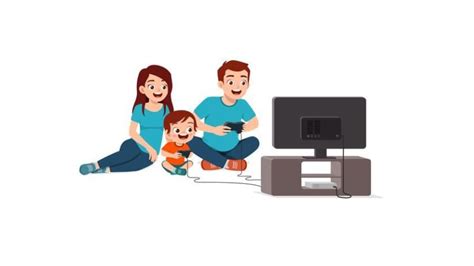
- Play Together: Spend time playing the game with your child. This gives you firsthand experience of its content, difficulty, and social dynamics.
- Observe and Discuss: Watch your child play and ask open-ended questions. “What’s happening in the game?” “How do you feel when you play this?” “What are your goals?” This opens lines of communication and helps you understand their perspective.
- Set Clear Rules and Boundaries: Beyond just screen time, establish rules about what types of games are allowed, acceptable in-game behavior, and consequences for violating these rules.
Practical Tips and Tools for Parents
Navigating the vast world of digital games can be daunting, but several resources can make it easier:

Leverage Parental Controls
Most gaming consoles, PCs, and mobile devices offer robust parental control settings. These allow you to restrict access to certain games by rating, manage in-game purchases, limit communication with strangers, and set time limits. Learn how to activate and customize these settings for each platform your child uses.
Read Reviews and Watch Gameplay Videos
Before purchasing or downloading a game, consult reputable gaming review sites (e.g., Common Sense Media, Metacritic) that often include specific insights for parents. Watching gameplay videos on platforms like YouTube can also provide a realistic preview of the game’s actual content and mechanics, helping you make an informed decision.
Engage with parent communities online. Many forums and social media groups are dedicated to discussing children’s media, where parents share experiences and recommendations for age-appropriate games.

Remember, ensuring kids’ games are truly age-appropriate and safe is an ongoing process that requires active parental involvement. It’s about moving beyond simply counting minutes of screen time to thoughtfully curating a positive and enriching digital play experience for your children.

By understanding rating systems, delving deeper into game content, actively engaging with your child’s gaming habits, and utilizing available tools, you can empower your children to explore the digital world safely and beneficially, turning potential pitfalls into opportunities for growth and fun.