Best tips for selecting age-appropriate games and managing screen time?
Navigating the Digital Playground: Selecting Games and Managing Screen Time
In today’s digital age, video games and online content are an undeniable part of most children’s lives. While they offer educational benefits and entertainment, parents often grapple with the challenge of ensuring their children engage with age-appropriate content and maintain a healthy balance. This guide provides practical tips for navigating the vast digital landscape, helping you select the right games and effectively manage screen time for your family.
Choosing Age-Appropriate Games: More Than Just a Rating
The first step to responsible gaming is selecting content that aligns with your child’s developmental stage and maturity. Ratings systems are your primary tool, but they shouldn’t be your only guide.
Understand Rating Systems
- ESRB (Entertainment Software Rating Board) in North America: Look for ratings like E (Everyone), E10+ (Everyone 10+), T (Teen), and M (Mature). Always check the content descriptors (e.g., Violence, Language, Drug Reference) for specific details.
- PEGI (Pan European Game Information) in Europe: Similar system with age labels (3, 7, 12, 16, 18) and content descriptors.
- Other Regions: Familiarize yourself with local rating systems.

Research Beyond the Label
Ratings offer a quick overview, but deeper research is crucial. Watch gameplay videos on platforms like YouTube, read reviews from reputable gaming sites and parent blogs, and even try playing the game yourself if possible. This gives you a true sense of the game’s themes, complexity, and overall tone. Pay attention to online multiplayer aspects, as interaction with strangers can introduce additional concerns.
Consider Your Child’s Personality and Interests
Even if a game is rated appropriately, consider if it truly fits your child. Is your child sensitive to certain themes? Do they prefer creative games over competitive ones? Involve them in the discussion, explaining why certain games might not be suitable yet, and empowering them to make good choices.
Strategies for Effective Screen Time Management
Once you’ve ensured the content is suitable, the next challenge is managing the ‘how much’ and ‘when’. Consistent boundaries and clear communication are key.
Establish Clear Rules and Expectations
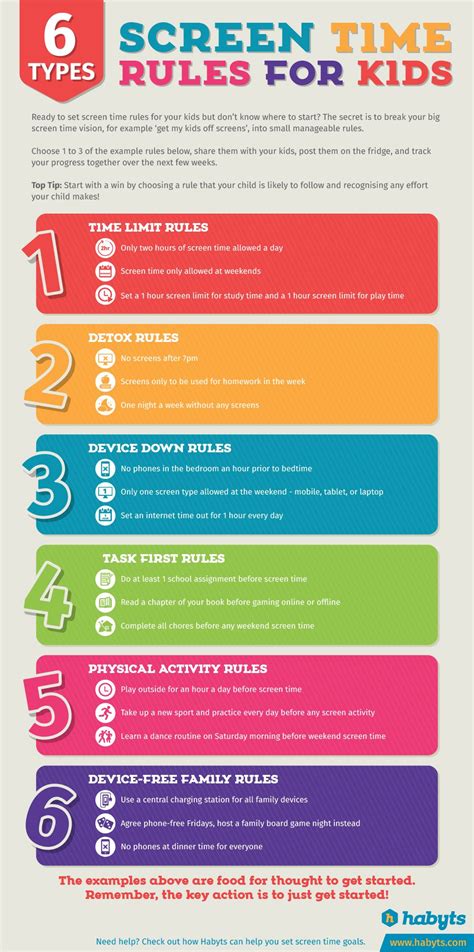
Work with your children to set clear rules for screen time, including duration limits, acceptable times of day, and specific devices. Make these rules visible (e.g., on a fridge magnet) and discuss the consequences of not adhering to them. Consistency is paramount for these rules to be effective.
Utilize Parental Control Tools
Most gaming consoles, smartphones, tablets, and even Wi-Fi routers offer robust parental control features. These allow you to set time limits, restrict access to certain apps or content, disable in-app purchases, and monitor activity. Learn how to use these tools effectively to support your rules.

Promote a Balanced Lifestyle
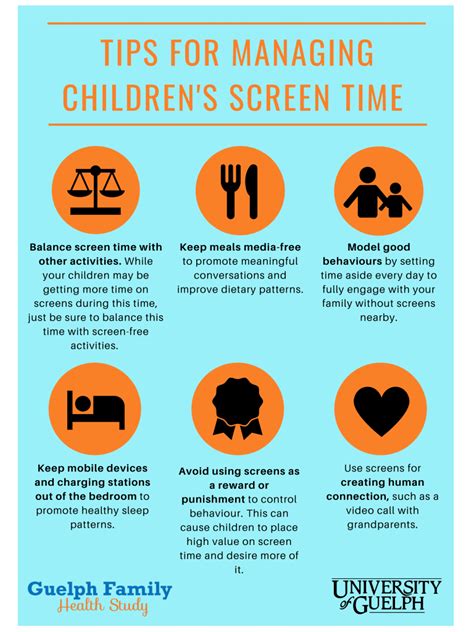
Screen time should complement, not replace, other essential activities. Encourage ample outdoor play, reading, creative arts, family time, and social interaction. A good rule of thumb is to ensure physical activity and creative play are prioritized over screen time. Consider a “tech break” for an hour or two before bedtime to improve sleep quality.

Lead by Example
Children are keen observers. Be mindful of your own screen habits. Put away your phone during family meals, engage in screen-free activities, and demonstrate a healthy relationship with technology. Your actions speak louder than words.
Foster Open Communication and Digital Literacy
Beyond rules and controls, teaching your children to be responsible digital citizens is crucial for long-term success.
Talk About Online Safety
Discuss the importance of privacy, not sharing personal information, and what to do if they encounter anything uncomfortable or inappropriate online. Emphasize that they should always come to you if they feel unsafe or confused.
Understand Their Digital World
Show genuine interest in the games they play. Ask them about their favorite characters, challenges, and what they enjoy. Play with them occasionally. This not only builds connection but also gives you insights into their online experiences and helps you guide them better.

Conclusion: Empowering Responsible Digital Habits
Navigating the world of children’s games and screen time is an ongoing journey that requires active parental involvement. By carefully selecting age-appropriate content, setting clear boundaries, utilizing parental controls, promoting a balanced lifestyle, and fostering open communication, you can empower your children to enjoy the benefits of technology responsibly and develop healthy digital habits for life.